Volcanoes & Nature
Vífilsfell’s volcanic story reveals Iceland’s subglacial mysteries
Vífilsfell rises above the lava fields of southwest Iceland, holding remnants of ancient eruptions and a name tracing back to the era of settlement.
Topic
Vífilsfell rises above the lava fields of southwest Iceland, holding remnants of ancient eruptions and a name tracing back to the era of settlement.
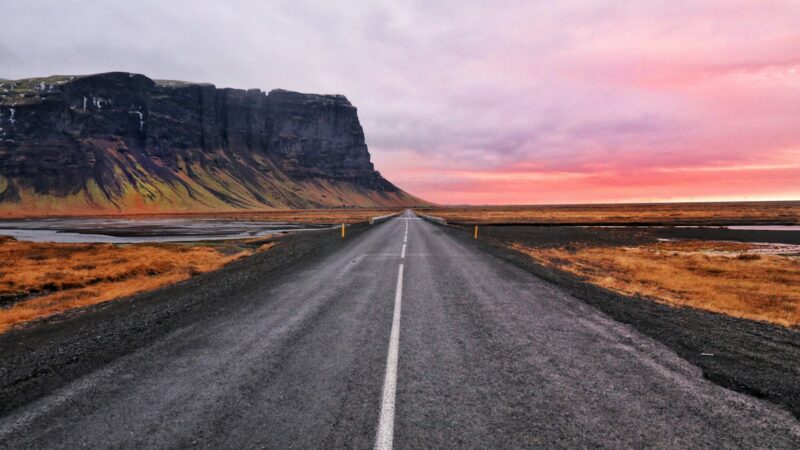
Rising abruptly from the sands of southern Iceland, Lómagnúpur links million-year-old volcanic layers, earthquake landslides, and haunting moments from the Njáll saga.
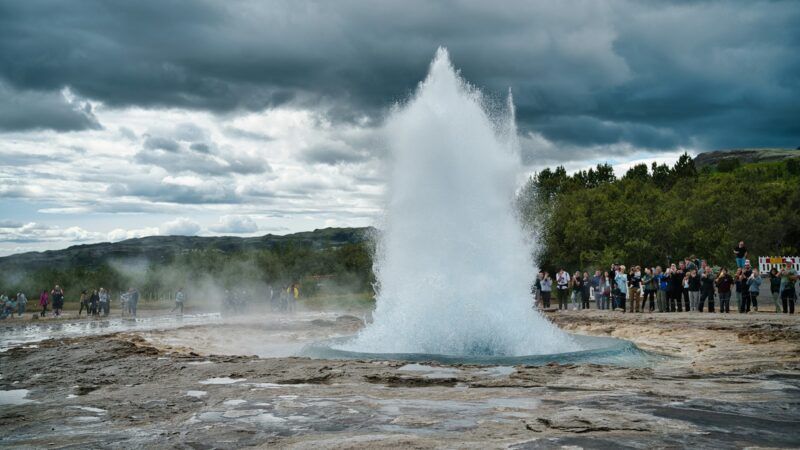
In southern Iceland, Haukadalur’s steaming geysers and ancient woodlands have drawn people for centuries. Its hot springs shaped language, while the valley gave rise to a prominent medieval clan.
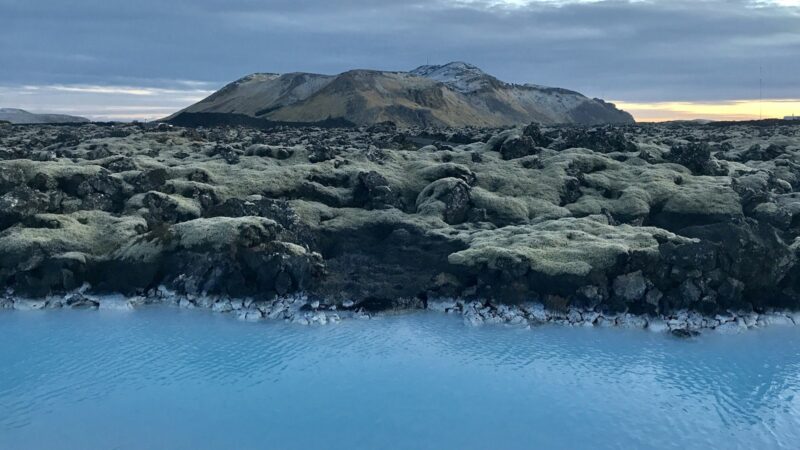
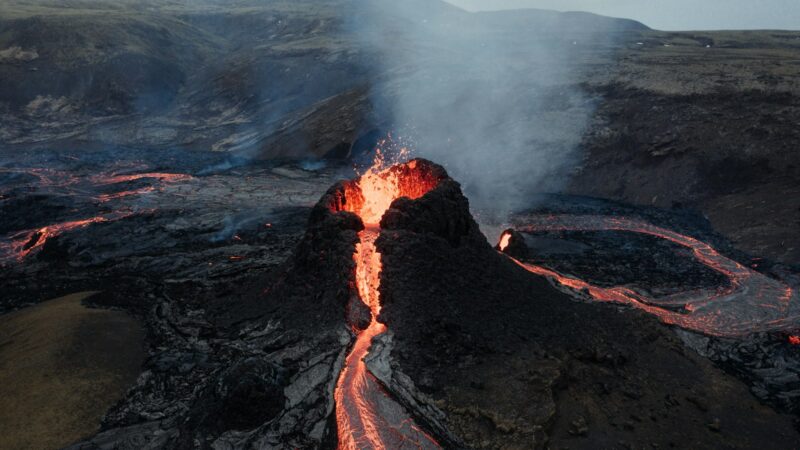
The volcanic system near Grindavík was quiet for 800 years before a new series of eruptions began in 2023, with earthquakes and lava flows near populated areas and key infrastructure.
Brennisteinsfjöll’s crater rows and shield volcanoes have shaped southwest Iceland, leaving behind lava fields, old mining scars, and geologically active terrain.
On the Reykjanes peninsula stands Búrfell, an isolated volcanic cone and its sprawling lava field, both protected and rich in geological history close to Iceland’s capital region.
Rising high over Skagafjörður, Mælifellshnjúkur stands as both a geographical marker and a source of tradition, used for timekeeping, folklore and weather lore for centuries.