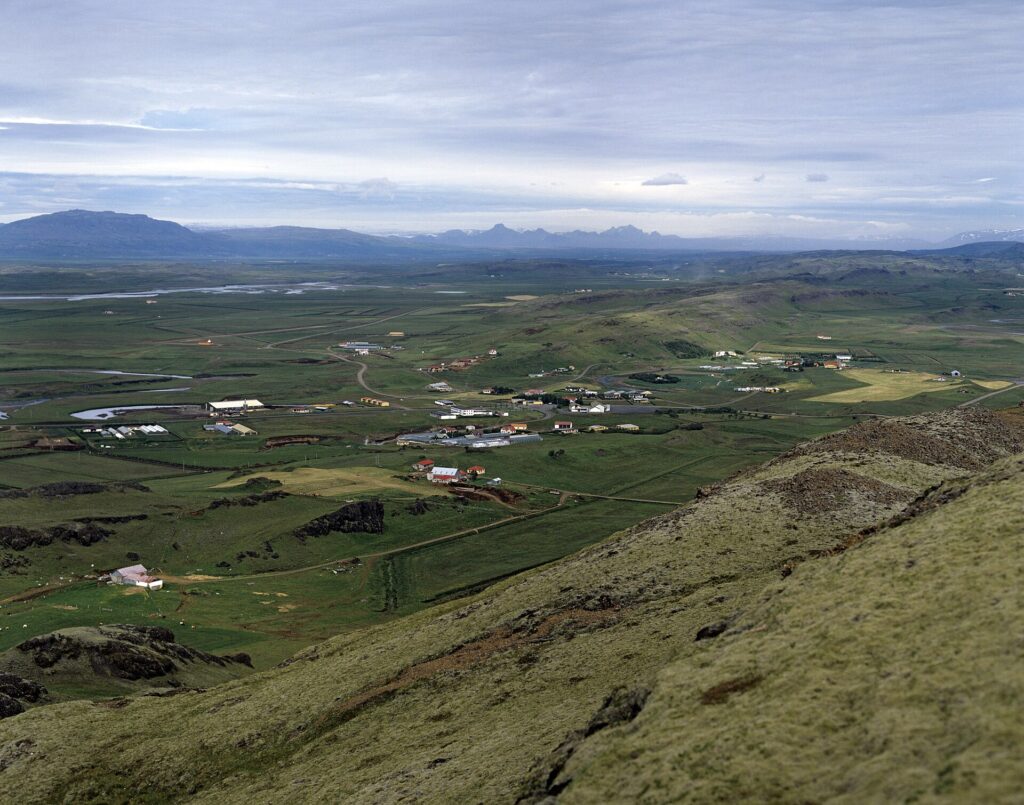
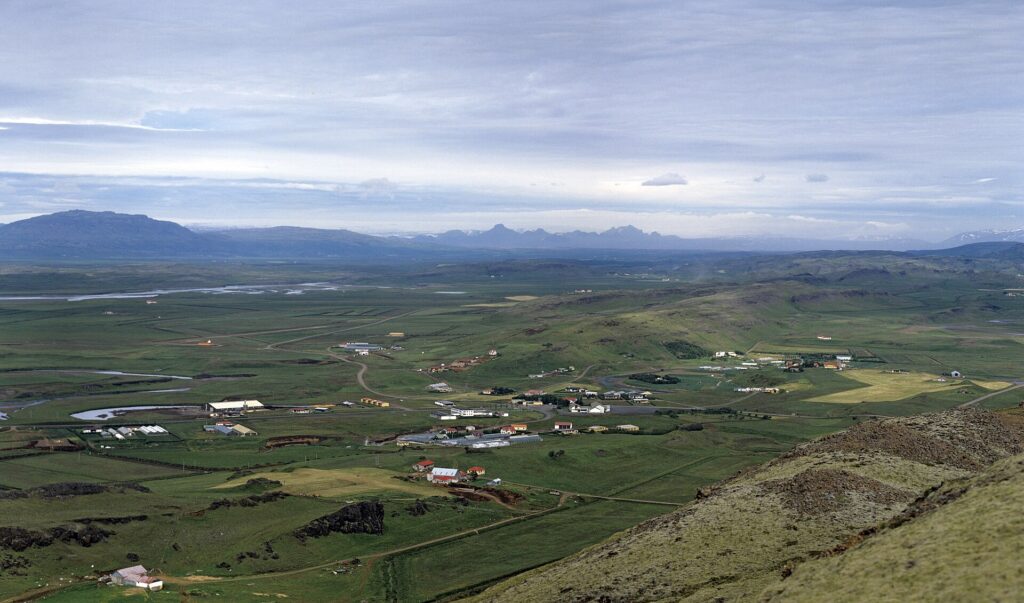
Located in the Southern Region of Iceland, Hrunamannahreppur is a municipality (sveitarfélag) stretching across 1,375 square kilometres. The area lies to the east of the river Hvítá and has long played a vital role in Icelandic agriculture and rural life. Its largest settlement is Flúðir, a growing village known especially for greenhouse cultivation and recreational attractions.
Geothermal resources and agricultural strengths
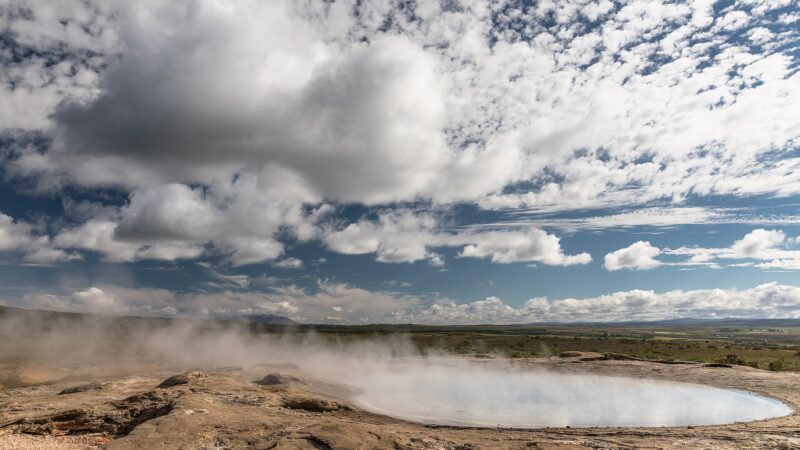
Hrunamannahreppur benefits from abundant geothermal heat beneath its surface. This natural resource underpins its horticulture, with a concentration of greenhouses that allow for the year-round production of vegetables. Many of these farms operate close to Flúðir and support direct sales at local farm shops, such as “Litla bændabúðin” (the Little Farmers’ Shop). The municipality is also prominent in cattle farming and is considered a national leader in dairy production.
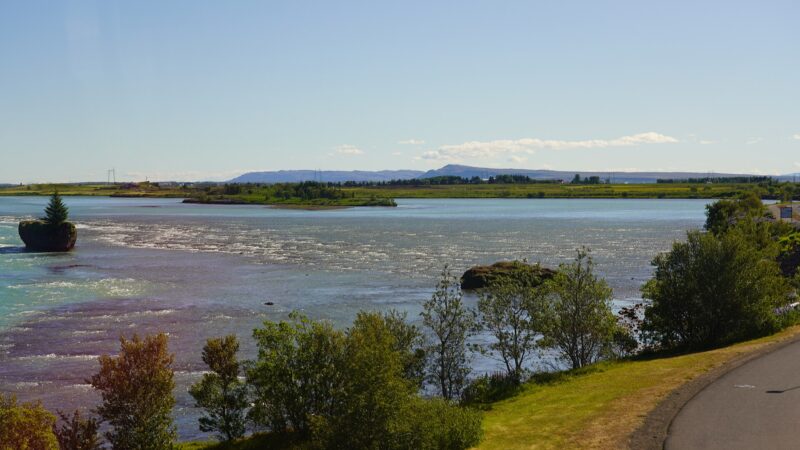
The district’s climate, especially around Flúðir, is noted in summer for periods of warmer weather than other parts of the Icelandic countryside. The surrounding countryside includes important rivers such as Stóra-Laxá, a well-regarded salmon fishing river that marks the municipal border with the former Gnúpverjahreppur district. The open landscapes adjacent to the Highlands mean that farmers sometimes have to retrieve livestock that wander into more remote areas.
Community, recreation and rural tourism
Flúðir has established itself not only as a service hub for the district, but also as a popular destination for visitors to South Iceland. Among the recreational options are several bathing spots including the Flúðir swimming pool, the “Gamla laugin” (Secret Lagoon), and Hrunalaug, each drawing on the district’s geothermal springs. Education and social activities play a strong role: the municipality also hosts various sports fields, hiking trails and horseback riding at Syðra-Langholt; and community events are regularly held at Flúðir’s community centre and library.
Accommodation options span hotels, guesthouses, farm stays, home stays and campsites, providing a range of choices for both residents and guests. Places to eat in Flúðir include restaurants that often highlight produce grown or raised in the vicinity, such as Farmers Bistro (Flúðasveppir) and Hotel Hill.
Around Flúðir, visitors and locals alike have easy access to some of Iceland’s major landscapes and tourist sites, including Gullfoss and Geysir as well as Þjórsárdalur and Brúarhlöð. The locality of Hvítárholt is also part of the municipal area, further connecting Hrunamannahreppur’s agricultural heartland to the broader region.
Population and recent developments
Hrunamannahreppur has maintained a steady population growth, from 693 residents in 1998 to 724 by 2001. The municipality’s community is described as active and involved, with workshops and events engaging locals around key planning and social issues. For the latest details on services and activities, the official website provides regularly updated information.
In recent years, Hrunamannahreppur and other parts of southwest Iceland recorded the first appearances of biting midges (Ceratopogonidae) in 2015, marking a new chapter in local natural history.
Sources
Image: Christian Bickel / Wikimedia Commons (CC BY-SA 2.0 de) · licence, original (resized) Illustrative image.
Facts last reviewed 27 October 2026. Published 27 October 2026.