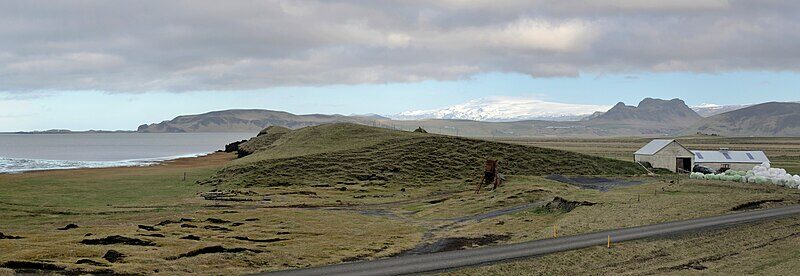
Flóahreppur is a municipality (sveitarfélag) in the South Iceland (Suðurland) region that covers an area of 289 square kilometres and is distinguished by its open vistas and broad farmlands. The community lies between the salmon-rich rivers Hvítá and Þjórsá, positioning it in a landscape that is both productive and historically significant.
Formation and population trends
The present-day Flóahreppur was established on 10 June 2006 when three rural districts, Hraungerðishreppur, Villingaholtshreppur and Gaulverjabæjarhreppur, were merged. Since its creation, the municipality has seen modest but steady population growth, with 559 residents in 2007, rising to 602 by 2010, according to official figures. Notably, Flóahreppur is the most populous municipality in Iceland without a defined town centre, with its inhabitants spread across various farms and small settlements.
Geography and natural features
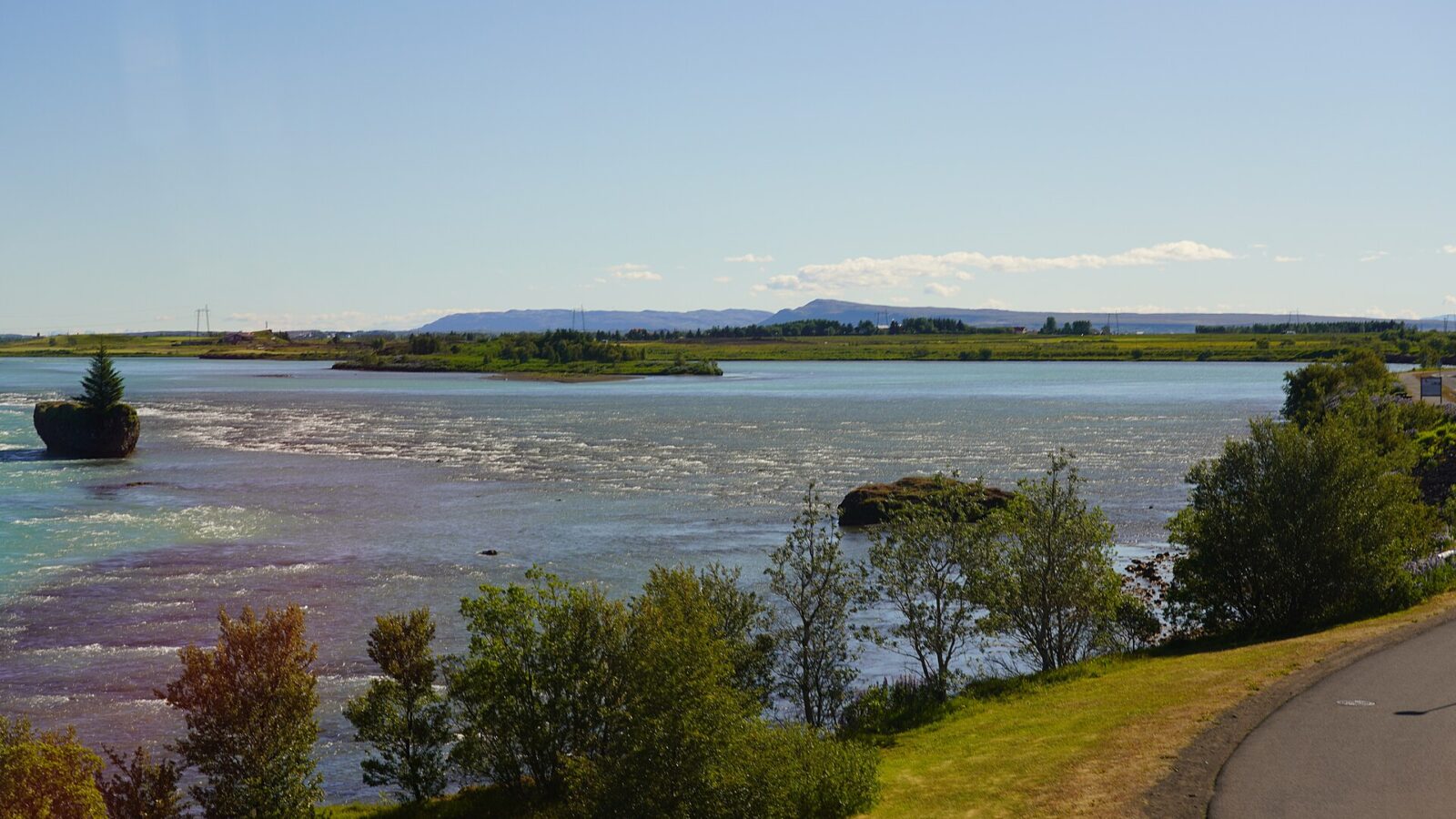
Flóahreppur has expansive flat terrain, with wide views in all directions. To the west it borders the town of Árborg, with the Hvítá river marking its northern limit. To the east is the impressive Þjórsá river, while southwards the land reaches toward the Atlantic Ocean. The confluence of these rivers and the flat environment create habitats that attract a variety of bird species, making the area notable for birdwatching opportunities.
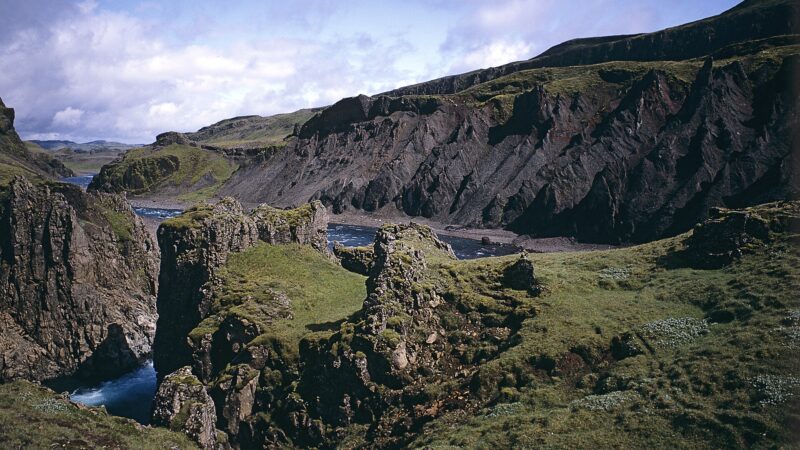
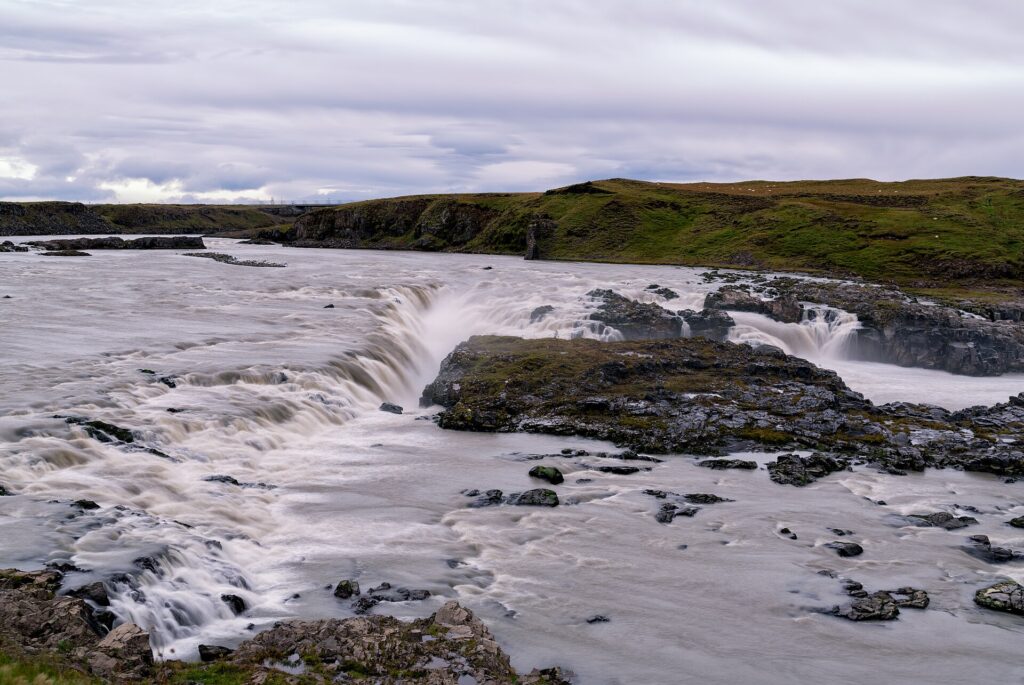
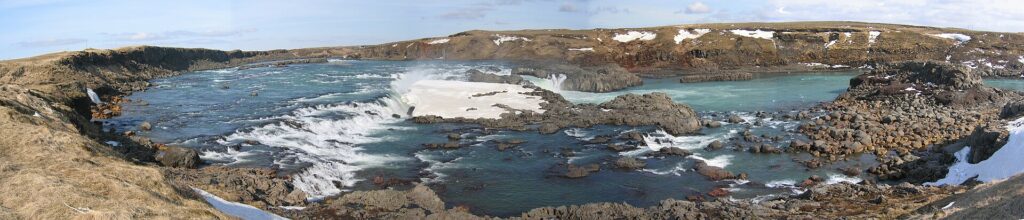
At the edge of Flóahreppur the Þjórsá river plunges over Urriðafoss, which Visit South Iceland describes as Iceland’s most voluminous waterfall. This waterfall marks the boundary of the Þjórsárhraun lava field, which formed approximately 8,000 years ago and is cited as among the largest known lava flows on earth. The combination of rivers, wetlands, and lava fields makes the region significant from both geological and ecological perspectives.
Heritage, local life, and landmarks
Cultural heritage has long been a priority in Flóahreppur. The area is mentioned in Flóamanna Saga, one of Iceland’s classic sagas that preserves the memory of early settlement and events specific to the region. Several sites of interest illustrate this focus on history and tradition. These include Hraungerðiskirkja, Laugdælakirkja, where world champion chess player Bobby Fischer is buried, and Villingaholtskirkja. Traditional sheep round-ups take place at Dælarétt, reflecting ongoing agricultural practices.
Modern rural life in Flóahreppur also includes small-scale industries and local businesses, such as the Ölvisholt brugghús brewery. The area offers recreational activities across the landscape, with opportunities for walking, cycling, and riding documented by local sources. While there are no large urban centres, facilities such as museums, craft workshops, and guest accommodations are present. Details of these services, along with current opening hours and admission, are available on the municipality’s official website.
Life in a dispersed rural municipality
Despite the absence of a central town, Flóahreppur sustains a diverse society. Events and gatherings are organised, some new and others rooted in long-standing tradition. The municipal administration provides community services and infrastructure, as outlined on its website. Schools and community centres, such as Flóaskóli and Krakkaborg, and amenities like the Flóaáveitan irrigation system, serve residents across the spread-out countryside.
Surrounded by rivers, shaped by centuries of agriculture, and linked to Icelandic cultural traditions, Flóahreppur offers a distinctive look into life in rural South Iceland. More information on history, nature, and local services can be found on the Flóahreppur municipal website and the Visit South Iceland tourism page, both linked below.
Sources
Image: Ray Swi-hymn from Sijhih-Taipei, Taiwan / Wikimedia Commons (CC BY-SA 2.0) · licence, original (resized) Illustrative image.
Facts last reviewed 26 October 2026. Published 26 October 2026.