Hella stands by the river Ytri-Rangá in South Iceland and serves as a regional service centre for surrounding farms, with strong agricultural and equestrian ties. It is a central hub in the municipality of Rangárþing ytra. With a population of 861 in 2018, Hella has played a growing regional role in both local life and services. The town’s coordinates are 63.8348 N, 20.4008 W. It lies 94 kilometres east of Reykjavík on Route 1, between Selfoss and Hvolsvöllur.
Origins by the Ytri-Rangá and the rise of the town
Hella’s name comes from caves near the river, said to have sheltered Irish monks during Iceland’s earliest settlements. The town traces its founding to 1927, when Þorsteinn Björnsson built a general store and a slaughterhouse close to the old bridge over Ytri-Rangá on land known as Helluvað. This site was chosen to serve the surrounding countryside and quickly became appreciated by local residents. In 1977, a memorial was placed by the river to commemorate fifty years since Hella’s founding.
Originally, Hella grew as a service center for agriculture, with various industries supporting the surrounding rural economy. Facilities developed include a slaughterhouse for large livestock, a poultry processing plant, a hatchery, as well as workshops for vehicles, woodworking, and electrical needs. The local cooperative eventually bought the original store in 1935 and expanded various industries in the area.
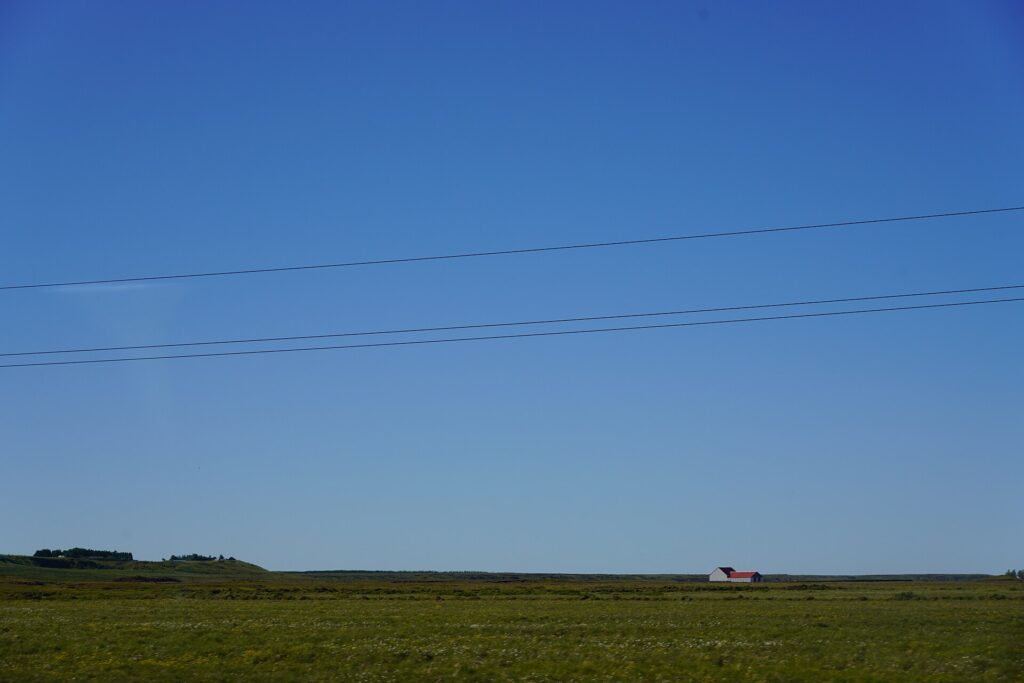
A hub of services and horse culture
Today, Hella provides a range of services found in small Icelandic towns. These include grocery stores, restaurants, hotels and guesthouses, eldercare homes, a swimming pool, laundromat, healthcare, glazier works, fisheries and fish shops, meat processing, gift shops, a campsite, bank, post office, pharmacy, tire and auto repair shops, sports facilities, as well as primary and nursery schools. It also houses the municipal council offices and a service center for Rangárþing ytra.
A distinct feature of Hella is its strong connection to the Icelandic horse. The area known as Gaddstaðaflatir, or Rangárbakkar, is renowned locally as a prominent site for equestrian sports. The facilities here include competition fields and an indoor riding hall. Gaddstaðaflatir has hosted six national horsemen’s events, reflecting the town’s ongoing commitment to horse breeding and equestrian culture.
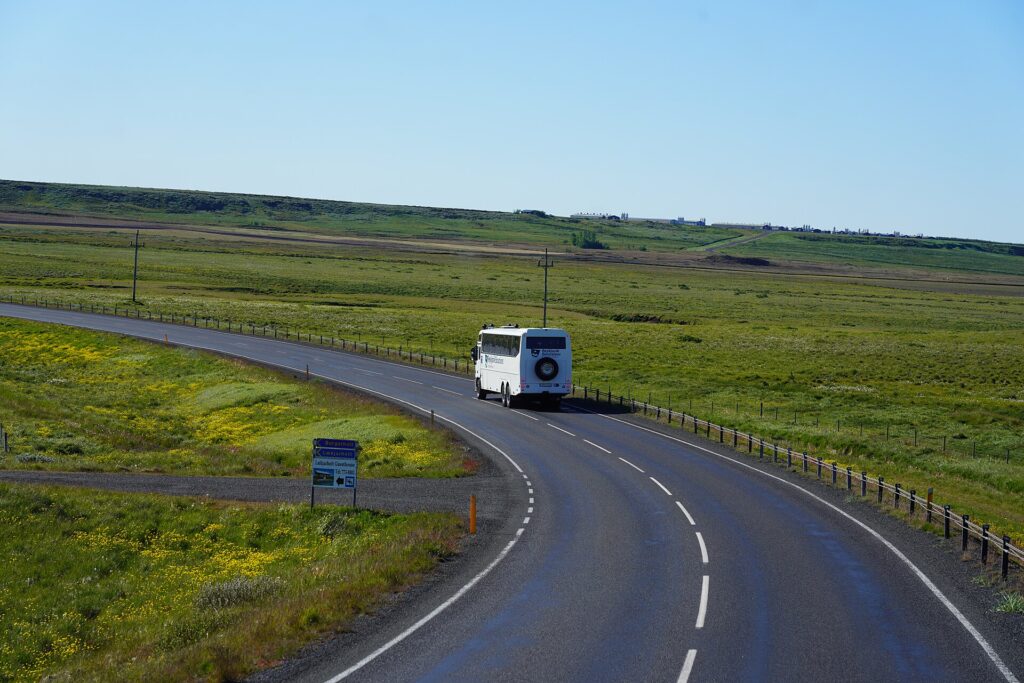
Natural surroundings and climate
Located in a region marked by significant geological activity, Hella lies within Rangárþing ytra, one of the largest municipalities in Iceland by area. The volcanic mountain Hekla is about 40 kilometers away, while Eyjafjallajökull is approximately 45 kilometers off. The Ytri-Rangá river, recognized nationally as one of the best salmon fishing rivers, flows through the municipality. Hella serves as a base for access to destinations such as Landmannalaugar and Þórsmörk during the summer, with more information available from regional offices.
Hella experiences a subarctic climate, characterized by cool temperatures much of the year. Daily average temperatures exceed 10°C only in July and August, while winters are generally cold, in line with the region’s highland and lowland mix.
Nearby points of interest in the broader municipality include waterfalls such as Ægissíðufoss, Urriðafoss, and Árbæjarfoss, the settlement of Þykkvibær, the church at Stórólfshvolskirkja, and the Rauðilækur and Flosadalur valleys. Rangárþing ytra also caters to outdoor enthusiasts, offering hiking routes like the well-known Laugavegur trail and the lesser-traveled Hellismannaleið.
Sources
Image: Ray Swi-hymn from Sijhih-Taipei, Taiwan / Wikimedia Commons (CC BY-SA 2.0) · licence, original (resized) Illustrative image.
Facts last reviewed 27 October 2026. Published 27 October 2026.