Hvolsvöllur rests in the south of Iceland about 106 kilometres east of Reykjavík, marking its place on the country’s famous Ring Road (Route 1). Unlike most Icelandic settlements, Hvolsvöllur is not set beside a river or coastline, but rather on open fields. Its name, translating as “Hillfield”, draws from an older Icelandic word for “hill” (hvoll), and “field” (völlur), originating from the historic farm of Stórólfshvoll.
The town formed in the twentieth century, beginning with a store founded by the Hallgeirsey cooperative in 1930 and quickly attracting further development. Within a few years, bridges over nearby rivers improved access across the region, prompting the cooperative to move its headquarters from Hallgeirsey to Hvolsvöllur. Growth continued slowly; a freezing plant and diesel power station soon joined the cluster of new buildings. By 1957, the opening of a modern grocery store, one of the first of its type in the country, marked a step towards a more service-oriented future.
Today, Hvolsvöllur is home to over a thousand residents with an economic life revolving around service and the tourism industry. It serves as an important stopover for travelers as well as the rural surroundings, with the next town, Vík, lying 80 kilometres further east. Sláturfélag Suðurlands, commonly known as SS, is the area’s largest single employer, running a major meat processing plant and manufacturing the renowned Icelandic SS hot dog.
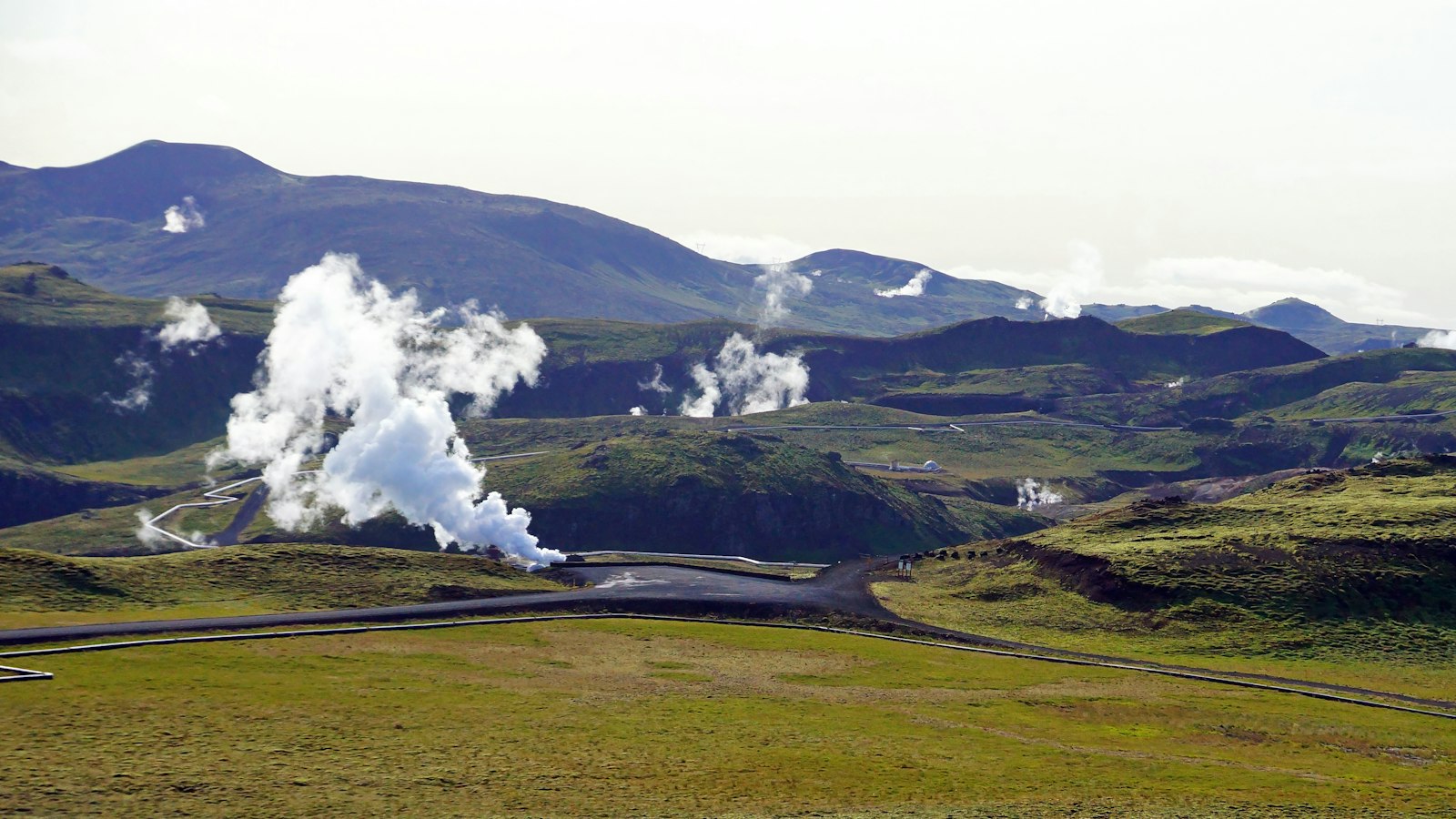
Community infrastructure is a point of pride: Hvolsvöllur is noted for having one of the country’s best kindergarten and primary schools, and the sports centre includes an outdoor pool. The town benefits from a geothermal district heating system, first operated in 1981 and powered by a 95°C geothermal borehole at Laugaland. A 23 kilometre transmission pipe delivers hot water, not only to Hvolsvöllur but also to the neighbouring Hella and the surrounding countryside. This system is now owned by Orkuveita Reykjavíkur.
A cultural gathering place shaped by history
Serving also as an administrative centre, Hvolsvöllur has been the site of the district commissioner of Rangárvallasýsla since 1938 and, more recently, became the main office for the South Iceland police commissioner from 2015. The story of the town is interwoven with both old and new Icelandic narratives. The region is renowned as the setting for Njál’s saga, one the most famous of Iceland’s medieval sagas.
At the heart of the community, the LAVA Museum interprets the volcanic and geological forces that have shaped the south, notably those seen in the 2010 Eyjafjallajökull eruption, which saw area residents temporarily relocated to Hvolsvöllur and the Red Cross mass care centres established there.
The town’s skyline is defined by a 45 metre telecommunications tower, which in recent years has been transformed by the addition of Christmas lights, thought to be the tallest in Iceland during the winter months. Nearby is Stórólfshvolskirkja, a Protestant church built in 1930, featuring a painting by Þórarin B. Þorláksson from 1914.
Hvolsvöllur’s climate mirrors that of the southern Icelandic coast: cool and damp, with a subpolar oceanic character and most of its annual precipitation falling in autumn. Locally, sports clubs such as Ungmennafélagið Hekla and Knattspyrnufélag Rangæinga reflect the town’s active spirit.
Sources
- Wikipedia
- Wikipedia (Icelandic) in Icelandic


