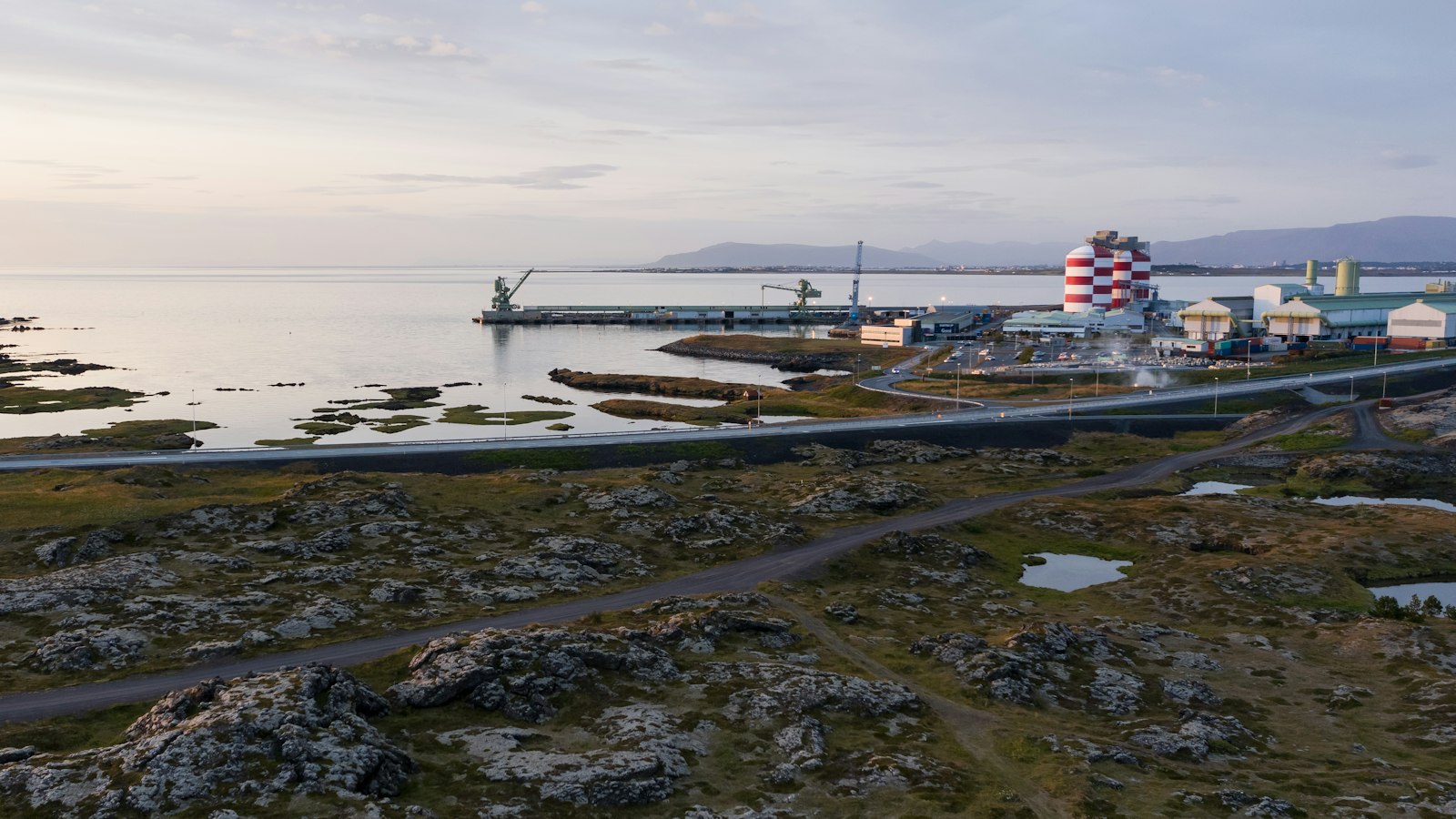
In the lowlands of South Iceland, where the vast coastal plain meets the shifting waters of the Þjórsá and Hólsá rivers, lies Þykkvibær. This village, now numbering 79 residents as of January 2021, stands out in Icelandic history as the country’s oldest rural village, a unique status it held alone for nearly a millennium.
A shoreline shaped by hardship and ingenuity
The roots of Þykkvibær stretch at least as far back as 1270, when church records first made note of its existence. For hundreds of years, the village’s fortunes were tied to the sea. Fishing drew crews from surrounding farmland, and the coastal location both sustained and isolated those who called it home. From time to time, swirling floodwaters and shifting sands even cut the settlement off, making life there unpredictable.
Sea travel was not always possible. In earlier centuries, ships could navigate the Rangárós estuary, but shifting sandbars closed it after the 1600s, leaving the community without a viable route to the ocean for decades. Even after new boats returned, risk persisted. The entire fishing fleet perished in 1896, forcing villagers to stop fishing until 1916, when one local boat resumed the trade.
Engineering a new life on land
A turning point for Þykkvibær arrived in 1923 with a collective undertaking unmatched in the area’s history. The village’s mayor, Sigurður Ólafsson, organised the local workforce to construct a 340-metre dam called Djúpósstífla. By diverting the Þverá river and draining the marshy land above the village, this project transformed the local environment. About one hundred villagers invested nearly 4,000 man-days to complete the work, which ended on 4 July. Today, a memorial at the dam site honours those involved.
Drained land opened the door to farming. While grass never took well to the soil, potatoes soon proved perfectly suited. From 1934 onwards, local farmers focused their efforts on this crop, and changes in machinery quickly shifted old traditions. First, machines drawn by horses made the harvest easier; then, by 1945, even the first family tractor appeared. Four more years saw every farmer in the community with their own. The rapid embrace of modern equipment and new fertilisers helped turn Þykkvibær into a name known around Iceland for potatoes, sold under the Þykkvabæjar brand since 1981.
Tragedy on the sea, perseverance on land
Fishing did not disappear quietly from village life. In March 1955, the last significant attempt ended when a fully-crewed boat capsized at the estuary, trapping six men beneath it. All were rescued, but the event marked the effective end of the village’s fishing era.
The waters off Þykkvibær’s shore have been hazardous for more than its own boats; several vessels, including Icelandic, French and German ships, have run aground there over the past century. Notably, a steel trawler was wrecked during a fierce storm in 1981, and a German cargo ship met a similar fate in 1996.
While Þykkvibær’s population remains small, its history is marked by adaptability, a shared commitment to labour, and a willingness to embrace new ways of living in response to nature’s challenges.
Sources
- Wikipedia
- Wikipedia (Icelandic) in Icelandic


