Along windswept northern shores and isles, the great skua, Stercorarius skua, carves out a unique role among the region’s wildlife. This formidable seabird is instantly recognisable for its broad, powerful build and the dramatic white flashes visible on its wings. Roughly matching a herring gull in size, the great skua is a dominant aerial presence wherever it breeds and hunts, from the coastal moorlands of Iceland to the rocky islands north of Scotland.
Origins and unusual relationships
Stercorarius skua takes its name from the Faroese word “skúgvur,” the only known bird name from the Faroe Islands to become common in English. Its story as a scientific curiosity dates back to 1764, when Morten Thrane Brünnich described it from Iceland and the Faroe Islands. The genus name, introduced by Mathurin Jacques Brisson a few years earlier, comes from the Latin word for dung, a reflection of the mistaken belief that these birds fed on excrement expelled by their startled victims. The species remains monotypic, with no recognised subspecies.
Modern genetic research has shown unexpected links between the great skua and the similar but very different-looking pomarine skua. This has led to theories about ancient hybridisation events between skuas of the north and their southern hemisphere relatives, blending the evolutionary pathways of formidable birds across oceans.
Habits of an uncompromising hunter
On coastal tundra and rough islands, great skuas carve out nesting grounds by placing grass-lined nests in open places. Like their relatives, they vigorously defend their territory and will swoop fearlessly at any would-be intruder, human or otherwise. Although unable to inflict serious harm, their aggressive behaviour and size rarely fail to dissuade threats.
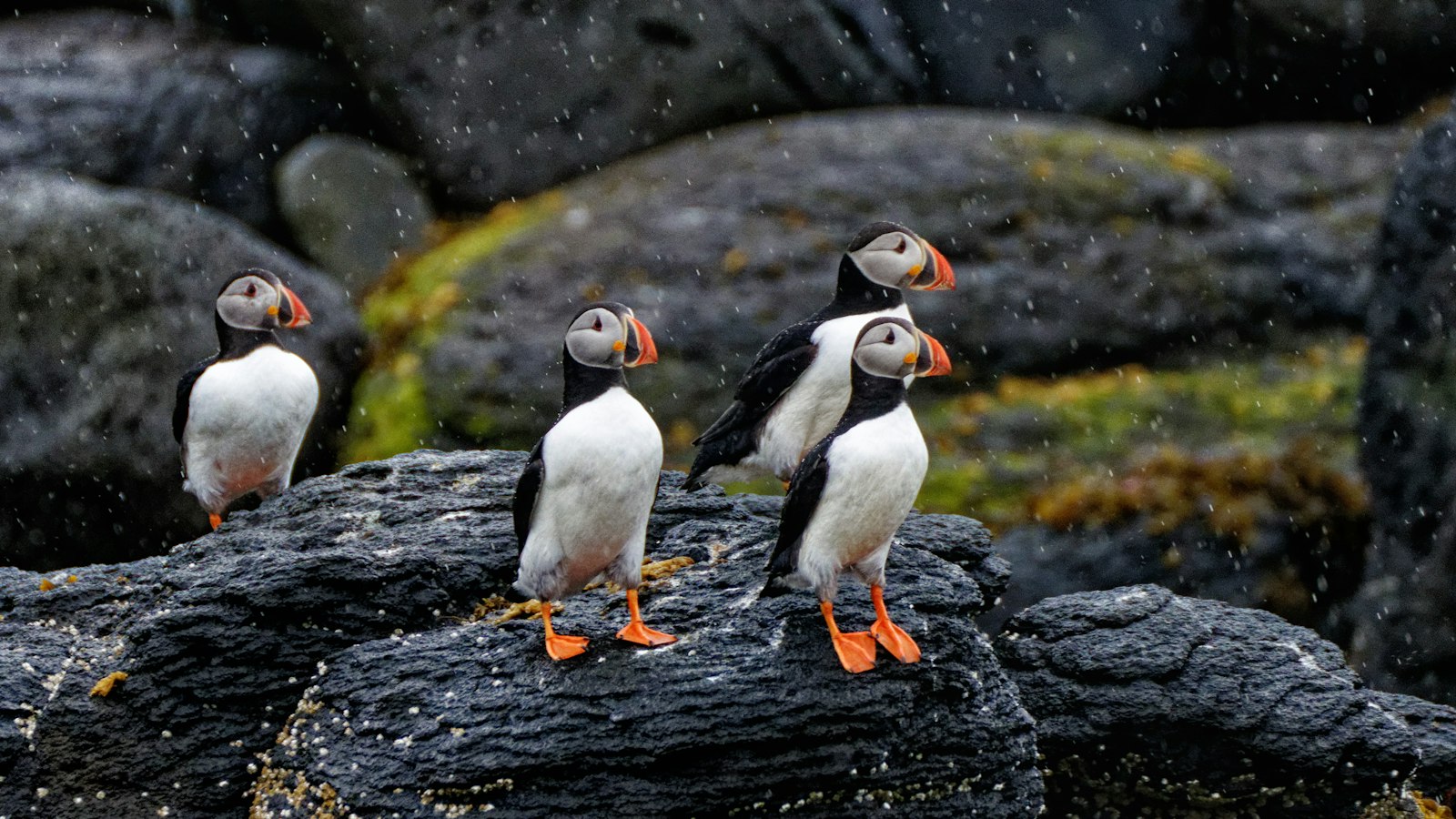
In the food chain, the great skua distinguishes itself through both predatory and piratical tactics. Its diet centres on fish plucked from the ocean’s surface, but it is better known for relentless harassment of other seabirds to steal their meals. Using brute strength rather than speed, it often targets gulls, northern gannets and even other skuas, forcing them to give up their catch, sometimes after a mid-air tussle that ends with the victim crashing into the sea. The great skua does not shy away from killing outright; puffins and even herring gulls can fall prey to its attacks. Its robust approach extends to larger targets as well: reports exist of predation on young rabbits, lambs and even pony foals.
Normally nests are safe from most predators, with the biggest threats to adult birds coming only from top raptors like golden or white-tailed eagles, or occasionally orcas at sea. Notably, in the Scottish islands of St Kilda, researchers recently observed great skuas adopting the unusual strategy of hunting small seabirds by night.
The great skua embodies both the harshness and inventiveness of life along the North Atlantic coasts, standing out not only for its size and gruff calls but also for its bold, sometimes fearsome, character.
Sources
- Wikipedia
- Wikipedia (Icelandic) in Icelandic


