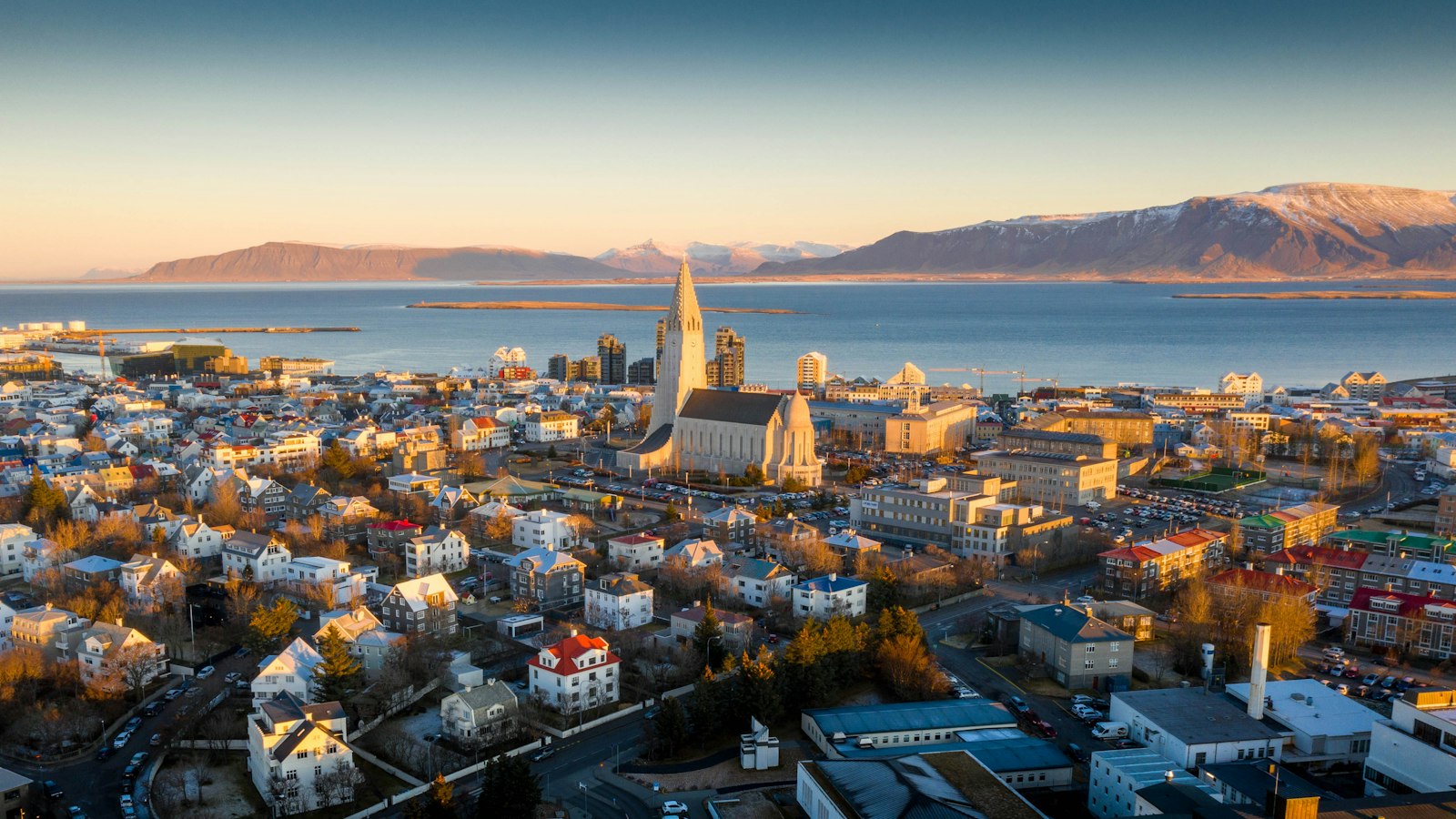
For over sixty years, Iceland has been a participant in an important European economic story. The European Free Trade Association (EFTA), established in 1960, offered a different path for countries aiming to benefit from trade without the political integration of the European Economic Community, which later evolved into the European Union.
An alternative to the EU’s customs union
Unlike the EU, EFTA has never required its members to apply a standard set of trade barriers to other countries. This approach has given its members, today including Iceland, Liechtenstein, Norway, and Switzerland, the freedom to shape their own trade agreements with nations worldwide. While the association is smaller than its European Union counterpart, its influence can be measured in how it allows its members to participate in the European single market and the passport-free Schengen Area, all without binding them to a joint customs policy.
The EFTA story began with seven countries, including the United Kingdom, Switzerland, and the Scandinavian states. They were originally known as the “Outer Seven,” marking their distance from the original six countries forming the European Economic Community. Through the decades, many of the founding states left EFTA as they took steps towards closer European integration, with only Norway and Switzerland remaining from the original group by 1995.
Iceland’s EFTA chapter
Iceland’s journey toward European economic integration took a major turn in 1970, when it joined EFTA as its first permanent delegate, Einar Benediktsson, represented the nation. Membership gave Iceland a platform to gradually dismantle barriers on industrial goods together with its fellow members, fostering cross-border commercial links while keeping control over its own policies for agriculture and fishing.
Iceland, along with Norway and Liechtenstein, also belongs to the European Economic Area (EEA), a framework which extends access to the EU’s single market. Switzerland, on the other hand, chose not to join the EEA arrangement, based on the result of its national referendum. This arrangement means that Iceland engages closely with its neighbours while still retaining autonomy over key areas.
Over the years, EFTA has discussed expansion or closer association with European microstates and other nearby entities, but these initiatives have often raised questions about the capacity of smaller political systems to adapt to the group’s obligations. Iceland briefly explored full EU membership, especially during the financial crisis of 2008–2011, even applying in 2009. However, negotiations were later suspended and have not resumed, reflecting both domestic priorities and the practical opportunities already gained via EFTA and the EEA.
Sources
- Wikipedia
- Wikipedia (Icelandic) in Icelandic


