Understanding whales in Iceland: the story behind the Húsavík Whale Museum
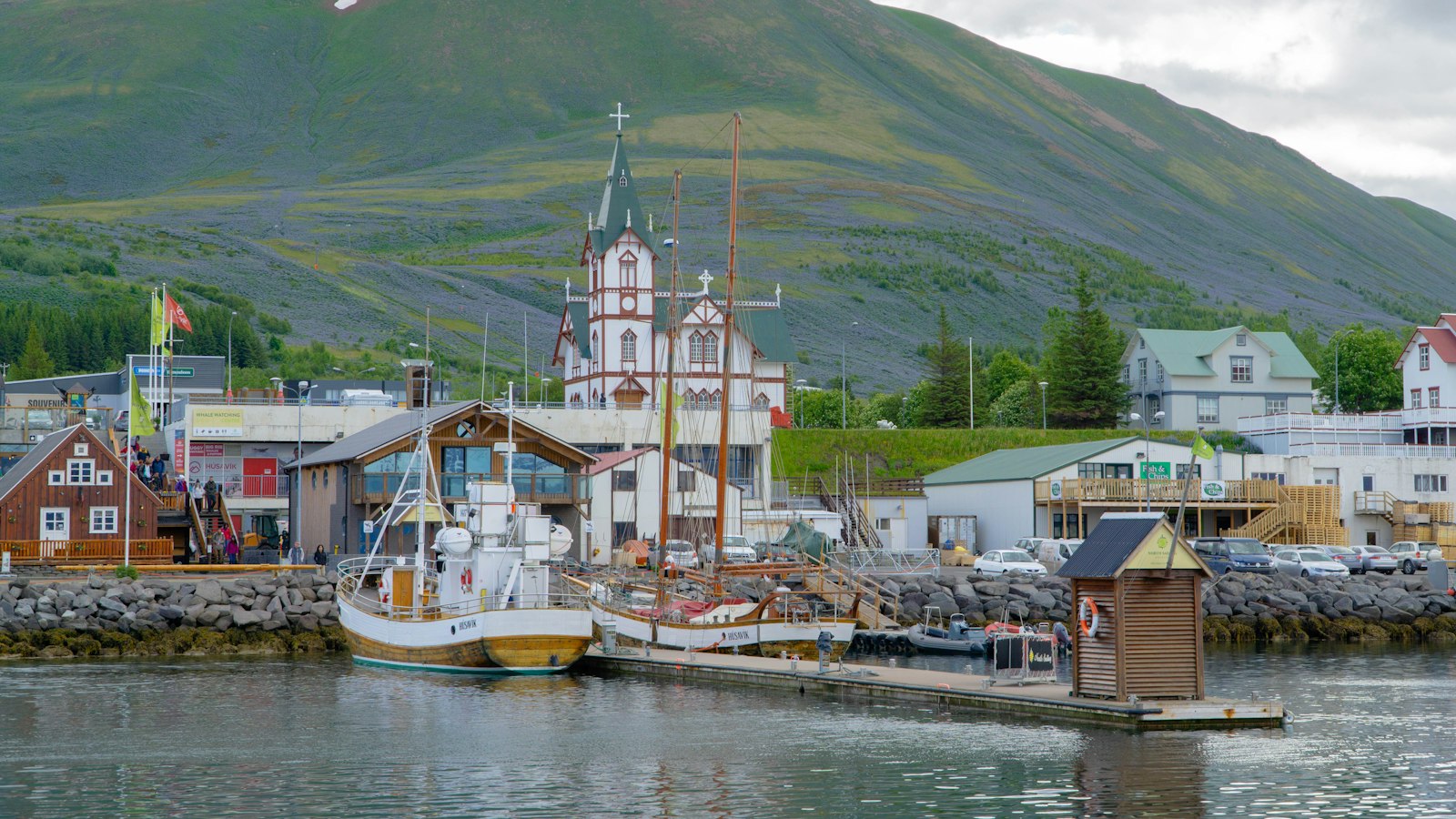
Húsavík’s Whale Museum is more than a collection of skeletons. It is a centre for research, international cooperation, and dialogue around Iceland’s relationship with whales.
Topic
Húsavík’s Whale Museum is more than a collection of skeletons. It is a centre for research, international cooperation, and dialogue around Iceland’s relationship with whales.
The black-legged kittiwake, a remarkably pelagic gull, draws its scientific name from Icelandic and Greek roots. Its habits, calls and nesting on rugged sea cliffs shape its place in northern coastal ecology.
Known as söl in Icelandic, Palmaria palmata has a long history as a red seaweed central to Icelandic cuisine and culture. Its role reaches from ancient laws to modern snacks, reflecting centuries of tradition.
Powerful and assertive, the great skua is a seabird known for piracy, aggression and its unique place in northern folklore and natural history.
From ramming ships to global law, the Cod Wars shaped modern Iceland and redrew lines in the North Atlantic, leaving lasting effects on both Icelandic and British society.
The great auk vanished from the world in 1844, yet its story spans ancient human cultures, dramatic extinction, and Iceland’s own history.
Iceland’s version of shrimp soup blends local seafood and classic Nordic ingredients. This dish reveals both Iceland’s resourceful cooking and its Atlantic influences.