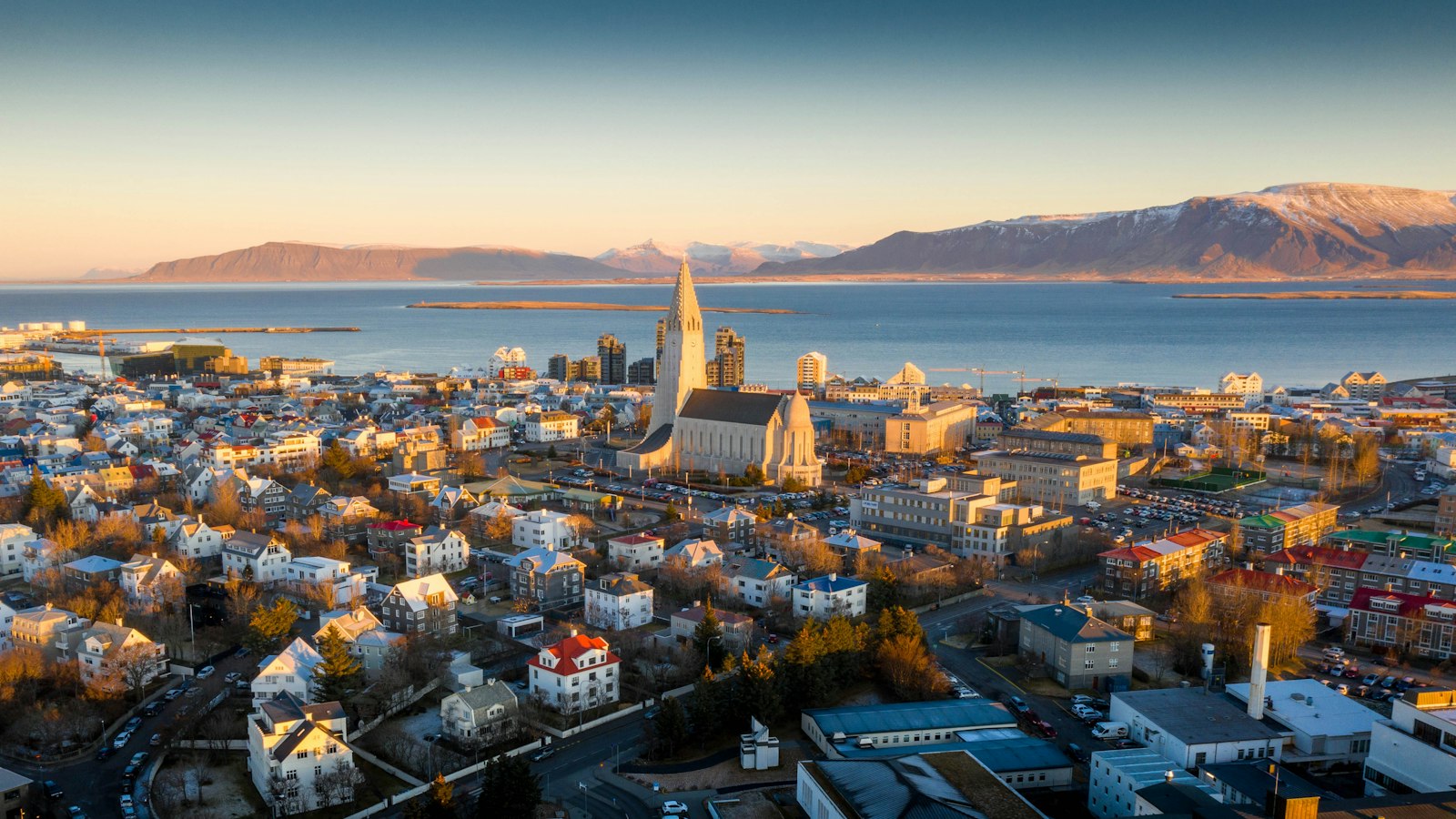
The Financial Supervisory Authority (Icelandic: Fjármálaeftirlitið, abbreviated FME) was the main body overseeing Iceland’s financial sector from 1999 until the end of 2019. Its remit included a broad array of institutions: commercial banks, savings banks, insurance companies, brokerages, credit card companies and even managers of mutual and pension funds. The FME was the single point of supervision for an expanding and at times volatile financial system.
Founded through legislation in 1998 and 1999, the FME was tasked with protecting the integrity and soundness of Iceland’s growing financial market. Its duties stretched not only to traditional banks and insurance, but also to innovation funds and the mortgage division of the state’s housing loan fund.
Leadership and structure
The first person to head the FME was Páll Gunnar Pálsson, who led from the organisation’s inception in 1999 until 2005. Over the years, leadership changed hands as the agency navigated both relative calm and periods of dramatic crisis. Notably, Jónas Fr Jónsson served as CEO during the critical period of the late 2000s, succeeded later by Gunnar Þ. Andersen, and then Unnur Gunnarsdóttir. Each director faced a unique climate in Iceland’s unpredictable economic landscape.
Challenges during the financial crisis
The late 2000s were a time of international financial upheaval, and Iceland was hit particularly hard between 2008 and 2012. The FME came under scrutiny for its actions, or lack thereof, leading up to the collapse of the country’s three largest banks. Critics pointed to failures in recognising warning signs and in taking decisive measures early enough to prevent or mitigate the systemic crisis.
On 6 October 2008, the Icelandic government responded to escalating problems by granting the FME new and extensive powers. These allowed it to intervene directly in financial institutions, including taking control of banks without formally nationalising them. The FME quickly acted, taking over the domestic operations of major banks Landsbanki and Glitnir. Shortly after, on 9 October 2008, it placed Kaupthing, the last of the big three, into receivership following the resignation of its board.
That same month and into early 2009, high political pressure led to significant changes. The Commerce Minister, Björgvin G. Sigurðsson, resigned and one of his final acts was to remove Jónas Fr Jónsson from his post at the FME, replacing him with Ragnar Haflidason. These events reflected the wider turbulence Iceland faced as its leadership grappled with solutions to navigate the country out of crisis.
A new chapter in supervision
After twenty years of overseeing a rapidly evolving financial landscape, the FME ceased to exist as a separate body at the beginning of 2020. From 1 January of that year, the authority was fully merged into the Central Bank of Iceland. This move marked a new era in financial supervision in Iceland, reflecting lessons learned from a period of rapid expansion, regulatory challenges and economic upheaval.
Sources
- Wikipedia
- Wikipedia (Icelandic) in Icelandic


