Literature in Iceland at the turn of the twentieth century was often shaped by classic themes and traditions, but among its most distinctive voices was Þorgils gjallandi. Writing under this name, which translates as “the yelling” or “the bellowing” from saga literature, Jón Stefánsson became known for raw and uncompromising portrayals of rural life.
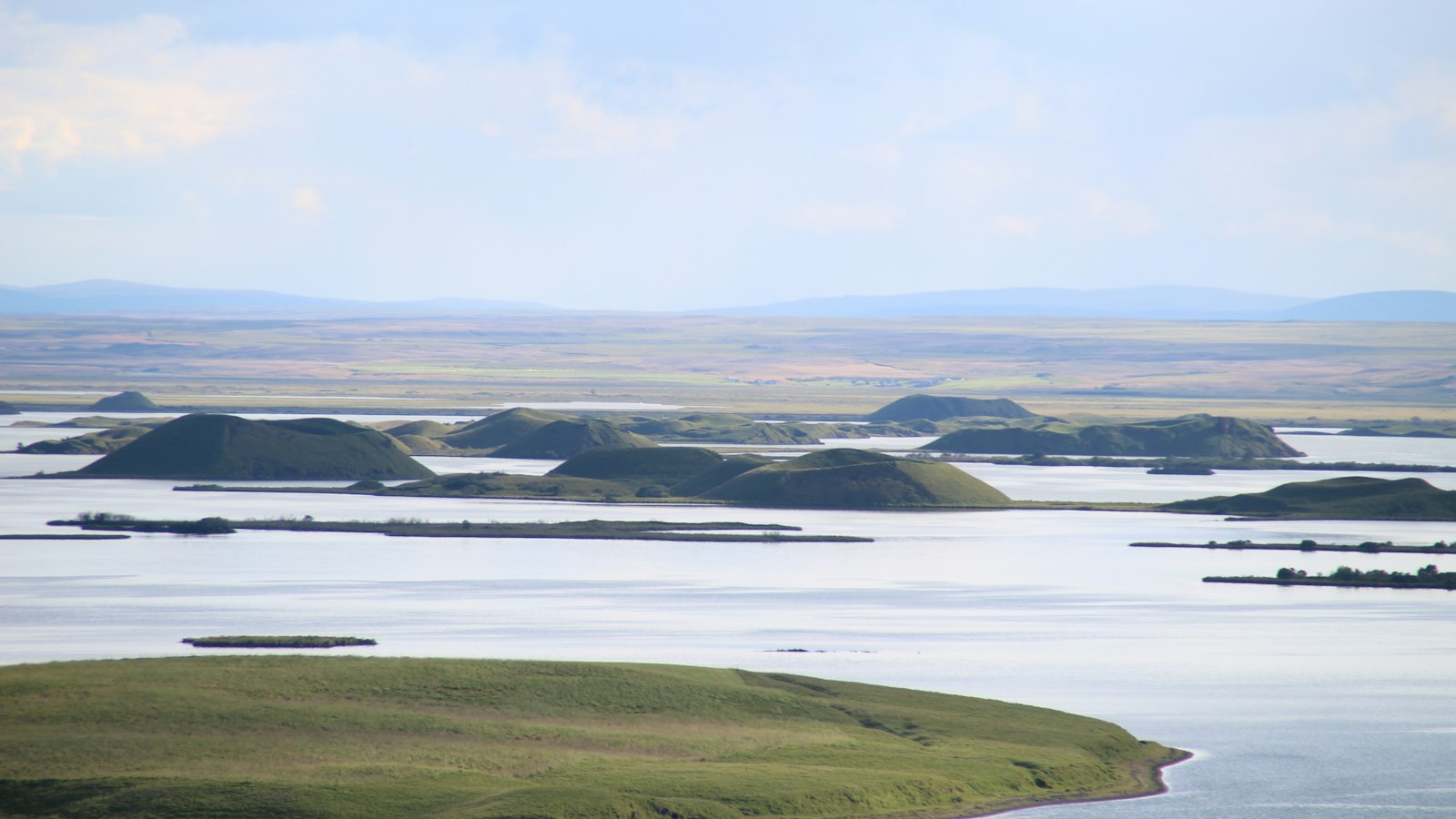
Jón Stefánsson was born in 1851 in Skútustaðir, close to the shores of Mývatn in northern Iceland. After losing his mother at the age of nine and his father at seventeen, he assumed responsibility for the family farm for a time before working as a labourer on local farms. He remained rooted in the county of Suður-Þingeyjar his entire life, seldom venturing beyond its boundaries.
A literary outsider in rural Iceland
Although Jón came from a farming background and lacked formal literary training, his determination led him to develop a distinctive voice in Icelandic letters. His first works appeared in newsletters circulating in the Mývatn region in the 1880s and 1890s. Publishing under the pseudonym Þorgils gjallandi, a name borrowed from Egils Saga, he became a notable figure among authors who advocated for realism in literature.
Þorgils gjallandi’s stories often focus on people who live at odds with prevailing social expectations. His characters are drawn not as paragons of virtue, but as individuals driven by innate desires, shaped by their circumstances. Themes of inner conflict, self-denial, and the strain of living under rigid moral codes recur throughout his writing. Rather than seeing love as an ideal, he depicted it as a natural, overwhelming force, sometimes reckless, sometimes innocent.
His works challenged the era’s moral sensibilities. Ofan úr sveitum (Tales from the Country), published in 1892, was considered provocative for its realism. Ten years later came Upp við fossa (By the Waterfalls), a novel that met with criticism and was deemed unsuitable in households with children. Despite this, Þorgils gjallandi did not fade away. He wrote numerous animal stories, some of which were collected as Dýrasögur 1 (Animal Stories 1) in 1910, writings that found broader favour amongst readers.
Across novels, short stories, and articles, Þorgils remained steadfast in questioning accepted norms. His writing legacy reflects the experience of a rural Icelander who, while working the land, crafted fiction that grappled with the cost of conformity and the complexities of human motivation.
Sources
- Wikipedia
- Wikipedia (Icelandic) in Icelandic


