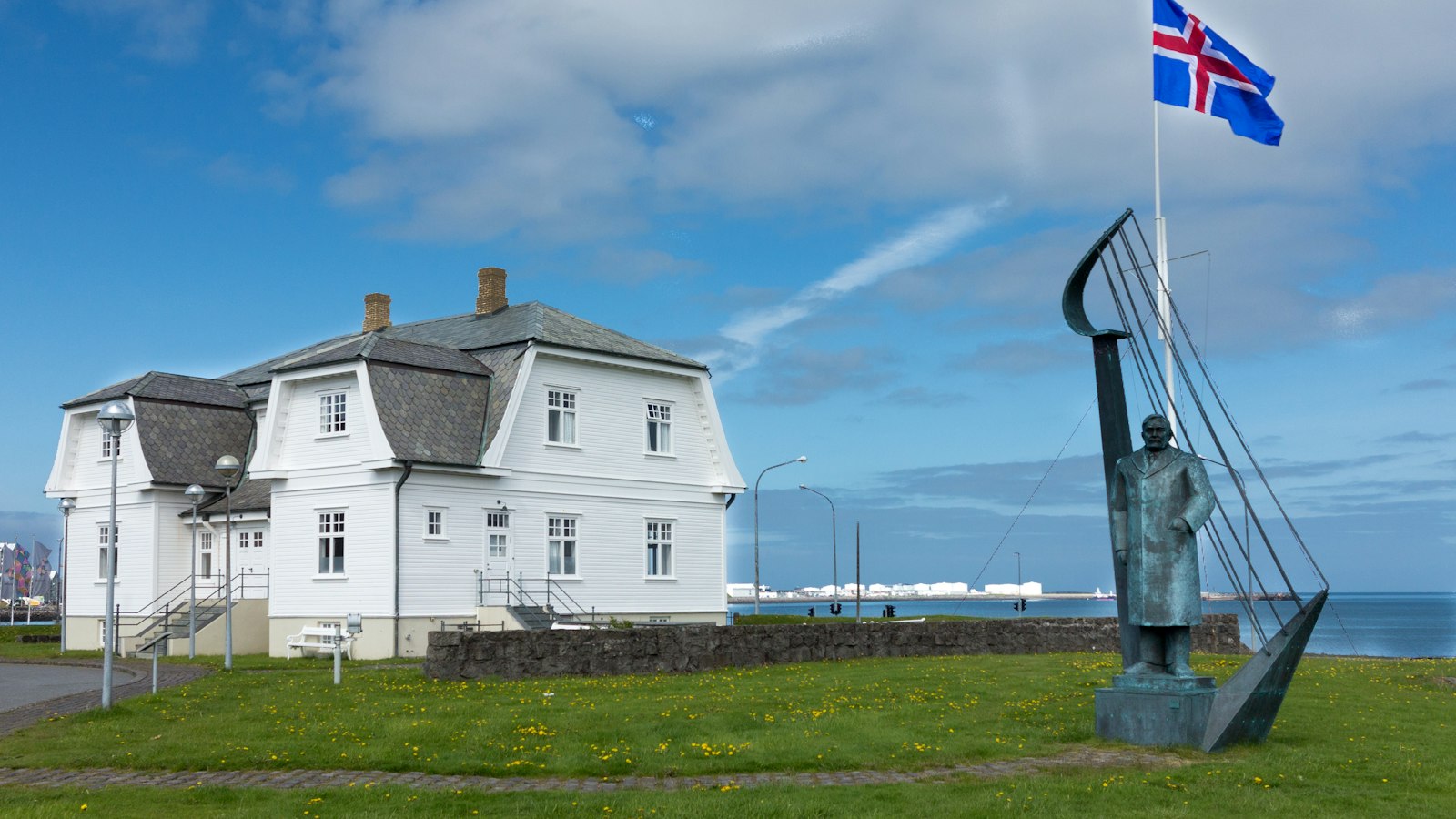
Between 1959 and 2003, the Southern constituency, Suðurland, helped define political life in Iceland’s south. Created amid sweeping reform that expanded proportional representation, this constituency stretched from the sands of Skeiðarársandur in the east to the coastal area of Selvogur in the west. It included communities such as Vestmannaeyjar, Árnessýsla, Rangárvallasýsla and Vestur-Skaftafellssýsla, with six representatives elected to the national assembly, Alþingi.
The formation of the Southern constituency signalled Iceland’s effort to modernise its electoral system. By giving broader voice to diverse communities across a vast southern region, proportional representation allowed a spectrum of political views to reach the Alþingi. Each parliamentary election produced a mix of familiar and emerging regional leaders; election results from the 1960s onward saw names such as Guðlaugur Gíslason, Ingólfur Jónsson, Guðni Ágústsson, Þorsteinn Pálsson, and others win seats, several of whom later became government ministers.
Over the decades, Southern’s residents saw their MPs not only represent their interests in Reykjavík’s parliament but sometimes join the government. Ingólfur Jónsson and Magnús Helgi Magnússon, for instance, both served as ministers while representing this area. Later, Jón Helgason, Þorsteinn Pálsson, Óli Þ. Guðbjartsson and Guðni Ágústsson also held ministerial posts during their time for the Southern seat.
Changes in the new century
In 2003, the Southern constituency was dissolved as Iceland restructured its electoral map. This reform was driven by population shifts and a desire for more equal representation. The Southern region merged with neighbouring areas, including the Reykjanes peninsula’s municipalities and Hornafjörður from the east, to create the new South constituency (Suðurkjördæmi). For locals, this marked the end of a distinct era in regional identity within the national assembly.
Though its borders have changed, the historical story of Suðurland as a political entity remains significant. The area’s influence in shaping parliamentary debates and sending prominent personalities to the cabinet highlights how Icelandic democracy reflects local pride and changing regional aspirations.
Sources
- Wikipedia
- Wikipedia (Icelandic) in Icelandic


