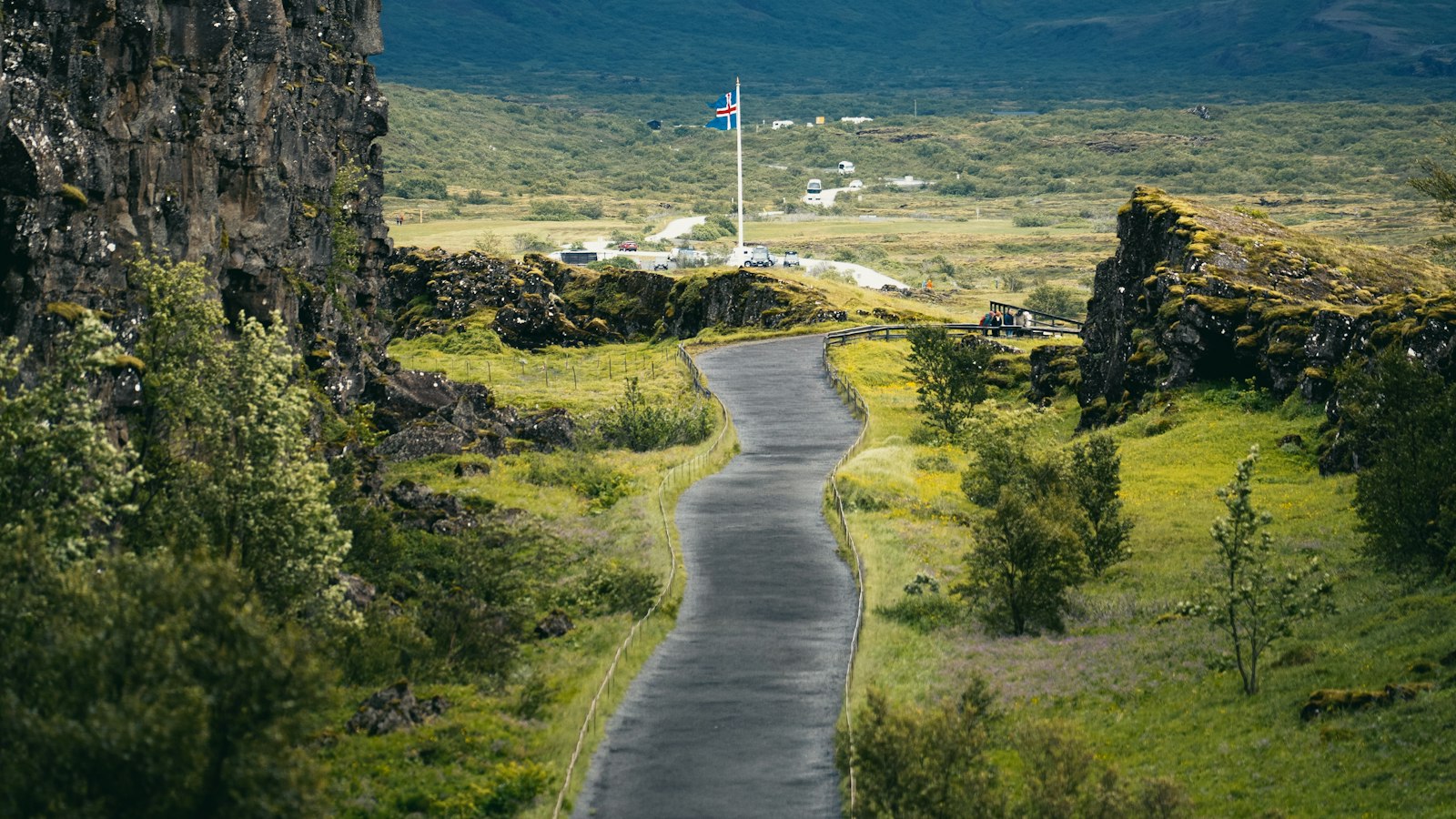
Every 17 June, communities across Iceland participate in a public holiday that symbolises national spirit and historical transformation. Known in Icelandic as Þjóðhátíðardagurinn, this annual event commemorates both the foundation of the modern Republic of Iceland and the lasting impact of a nineteenth-century independence leader. The day is not only a reflection of political milestones but also an expression of shared culture and heritage.
From Danish rule to a modern republic
Iceland’s transition to independence reached its decisive moment on 17 June 1944, when the nation declared itself a republic. This date, now remembered every year, marked a formal break from Denmark after centuries of shared history. The turning point followed decades of increased autonomy, shaped by an earlier agreement, the 1918 Act of Union, which had laid the groundwork for eventual sovereignty. During the Second World War, with Denmark under German occupation, Iceland proceeded with a national referendum to abolish the monarchy. The vote was clear, and on 17 June, the Icelandic people celebrated the birth of their republic. King Christian X of Denmark, though saddened by this change, sent his congratulations as the new state emerged.
Selecting the date for Icelandic National Day was a deliberate tribute. Jón Sigurðsson, a towering intellect and passionate advocate for independence in the 1800s, was born on 17 June. His legacy as the catalyst for Iceland’s early national movement remains intertwined with the annual observance.
Traditions and cultural expressions
National Day has become a true public celebration, witnessed in every town and village across the island. The festivities reflect both solemn remembrance and communal joy. Central to the day are parades featuring brass bands, Icelandic horses, and flag-bearers from the national scout movement. After processions, public addresses are held outdoors. One of the most symbolic is the speech by Fjallkonan, the Woman of the Mountain, who appears dressed in Skautbúningur, a traditional costume. This figure is meant to embody the strength of the Icelandic nation and the rugged beauty of its landscape, echoing the ideals of 19th-century romanticism that fuelled early demands for independence.
Following formalities, the mood typically shifts to music and social gathering. Popular songs devoted to the nation, such as “Hver á sér fegra föðurland” and “Land míns föður”, are often sung. These pieces articulate love for the land in poetic language and help cement the shared feeling that inspires the holiday.
14 June is not just historic; it is also a living expression of national values and identity, carrying forward the memory of the republic’s birth and the aspirations of generations past.
Sources
- Wikipedia
- Wikipedia (Icelandic) in Icelandic


