How Iceland peacefully gained independence from Denmark over a century
A unique blend of intellectual revival, legal negotiation and national unity shaped Iceland’s long, peaceful path to full independence from the Danish crown, achieved in 1944.
Topic
A unique blend of intellectual revival, legal negotiation and national unity shaped Iceland’s long, peaceful path to full independence from the Danish crown, achieved in 1944.
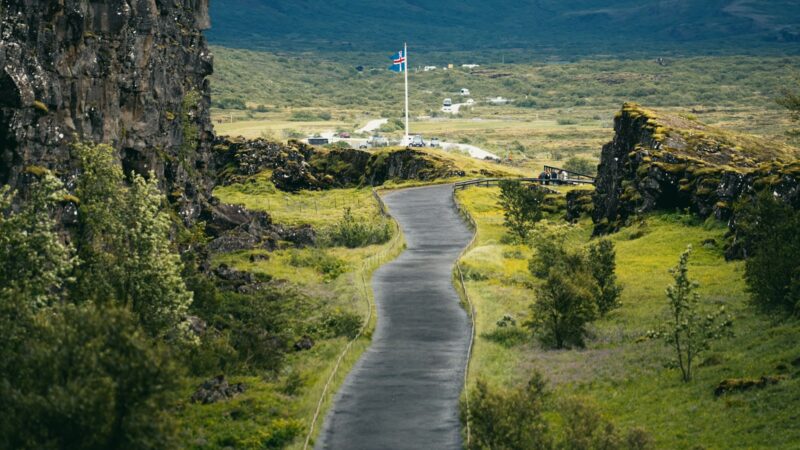
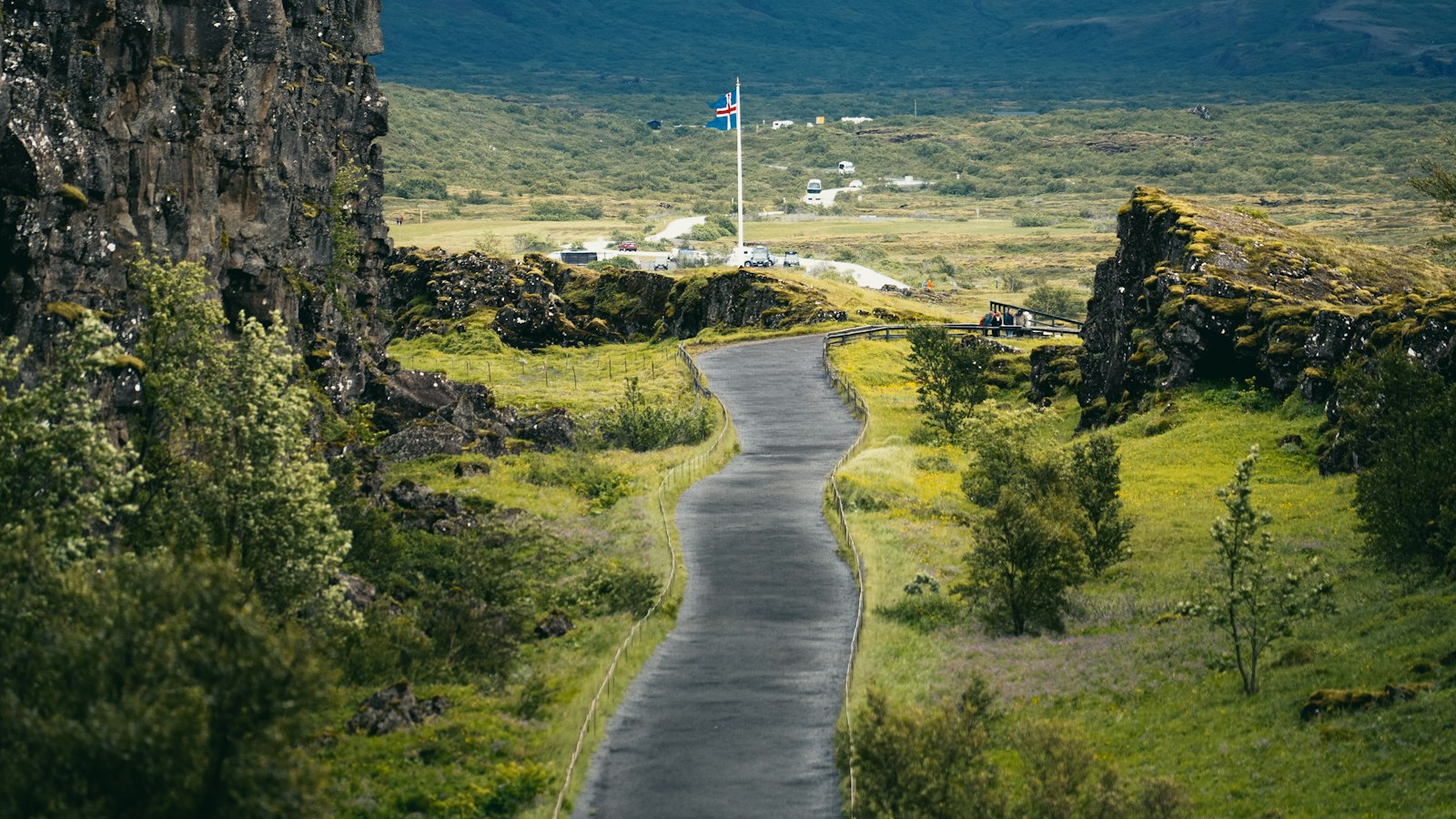
Icelanders share a distinct heritage shaped by early Norse and Gaelic roots, centuries of self-governance, hardship, and the enduring Icelandic language.
Each year, Icelanders gather to celebrate their republic's birth, honouring both political freedom and the enduring legacy of Jón Sigurðsson, a central figure in the nation's history.
In the 13th century, an agreement known as the Old Covenant marked a major shift in Iceland’s political landscape, joining the island to Norway and setting the stage for centuries of foreign rule.
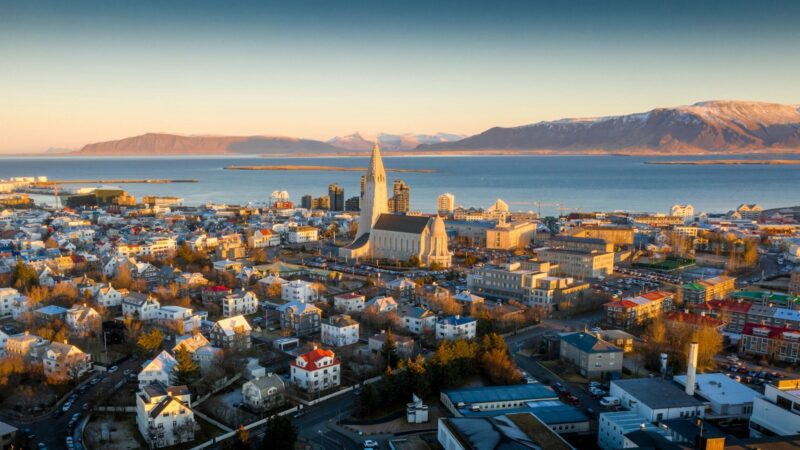
For centuries, Austurvöllur has played a central role in Reykjavík, serving as both a communal meeting place and a stage for significant national events.