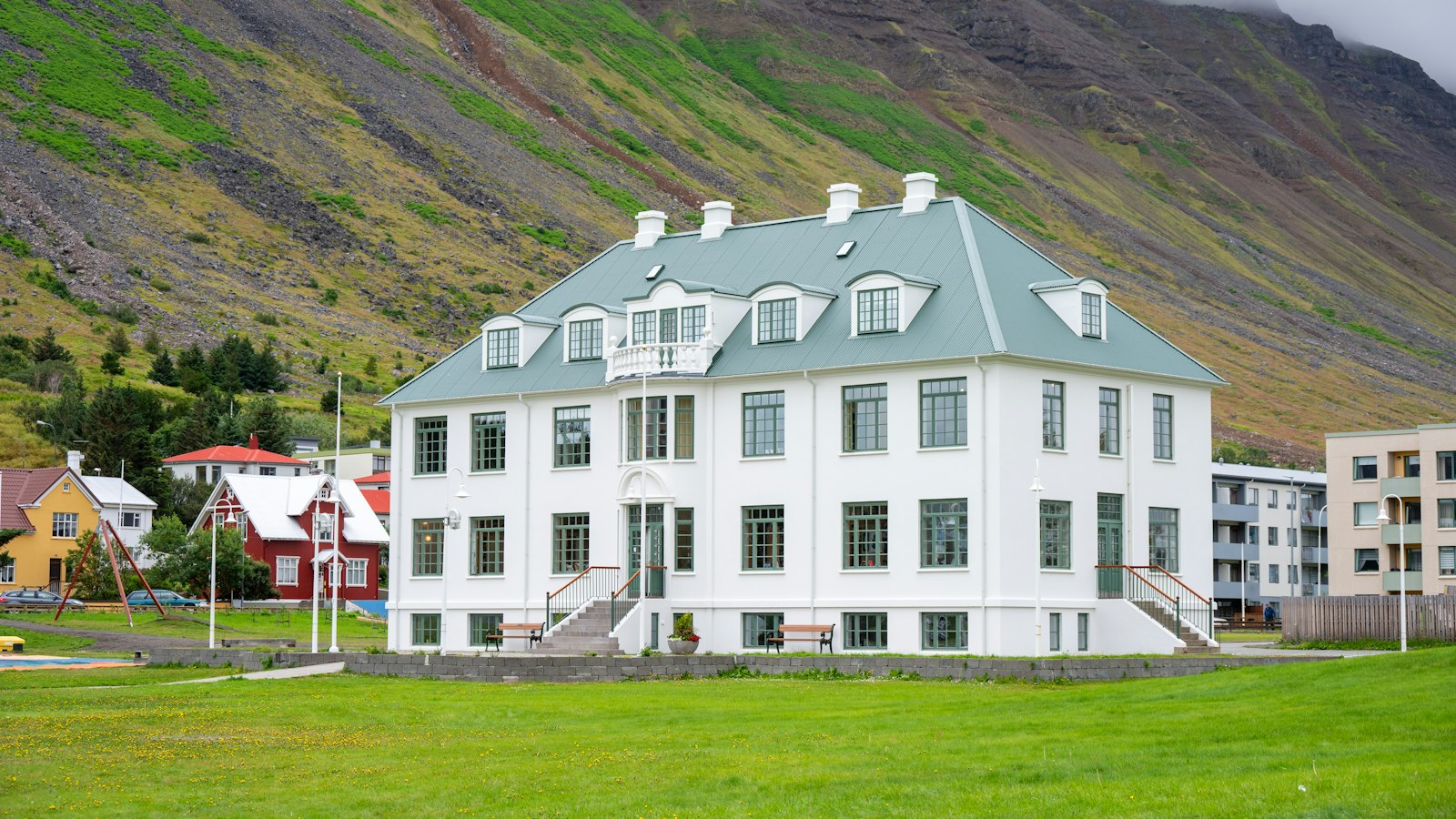
In the harbourside town of Ísafjörður, the Westfjords Heritage Museum (Icelandic: Byggðasafn Vestfjarða) stands as a reminder of Iceland’s centuries-old bond with the sea. Situated in the Turnhúsið (the Tower House), a distinctive 18th-century warehouse, the museum draws visitors into the stories, skills and rhythms of life on the northwestern coast of Iceland.
Boats, bacalao and daily traditions
The roots of this museum stretch back to 1939, when Bárður G. Tómasson suggested that a restored sexæringur, a traditional boat, could anchor a new maritime museum. The official founding soon followed in 1941. Yet it took decades, and the restoration of Neðstikaupstaður, the oldest clustered housing site in Iceland, before the museum found its permanent home. Since Fisherman’s Day in 1988, Turnhúsið has housed the collection, managed in partnership with nearby communities including Súðavíkurhreppur and Bolungarvíkurkaupstaður.
The museum’s displays explore the close ties between local families and the sea. Collections focus on the tools, techniques and tales of Westfjords fisheries. Everyday objects are showcased alongside treasures recovered from shipwrecks by divers. Preserving boat-building knowledge lies at the heart of the museum’s mission, boats are not only displayed but often restored and kept seaworthy, with skills passed on from one generation to the next.
An unexpected highlight comes in the form of 190 accordions, all with unique histories, some even belonged to renowned Icelandic musicians. The oldest dates to 1830, and many are still in original condition. The musical spirit of the community is echoed in performances by a local theatre group. Dressed in national costume, they re-enact 19th-century village life, singing, dancing and laying out codfish (bacalao) to dry in the sun. Since 2002, an annual saltfish festival has set this scene for locals and visitors alike.
Historic setting and living heritage
Neðstikaupstaður, the area that now holds the museum, was once a centre of fish trading and is regarded as the oldest ‘village’ grouping of historic houses in Iceland. Its buildings, originally put up by Danish traders while Iceland was under the Danish crown, include Krambúðin (1757), Faktorshúsið (1765), Tjöruhúsið (1781) and Turnhúsið (1784). These were carefully restored after years of neglect when trading ended in the 1920s. Today, they help maintain a sense of continuity between the working lives of past centuries and modern Ísafjörður, with museum curators and directors living in some of the houses.
The museum also contributes to the town’s calendar with annual exhibitions, including a ski-themed showcase during Skíðavika, the local Easter ski week. Meanwhile, a recipe book, Veislurnar í Neðsta, gathers local saltfish traditions for new generations. The Westfjords Heritage Museum remains a popular attraction, welcoming thousands each summer, and continues its work weaving the stories of the sea into everyday life on Iceland’s remote northwest fringe.


