Iceland GeoSurvey and the science behind the island’s geothermal economy
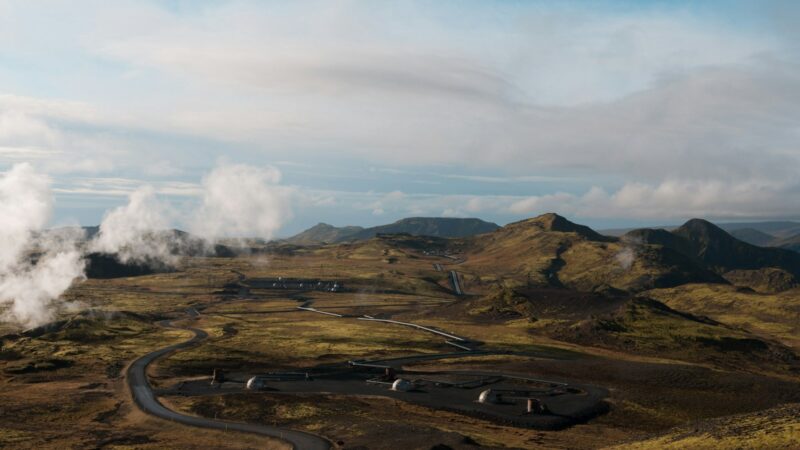
Founded in 2003, Iceland GeoSurvey continues a long tradition of geoscientific research focused on geothermal energy, fresh water, and environmental monitoring.
Topic
Founded in 2003, Iceland GeoSurvey continues a long tradition of geoscientific research focused on geothermal energy, fresh water, and environmental monitoring.
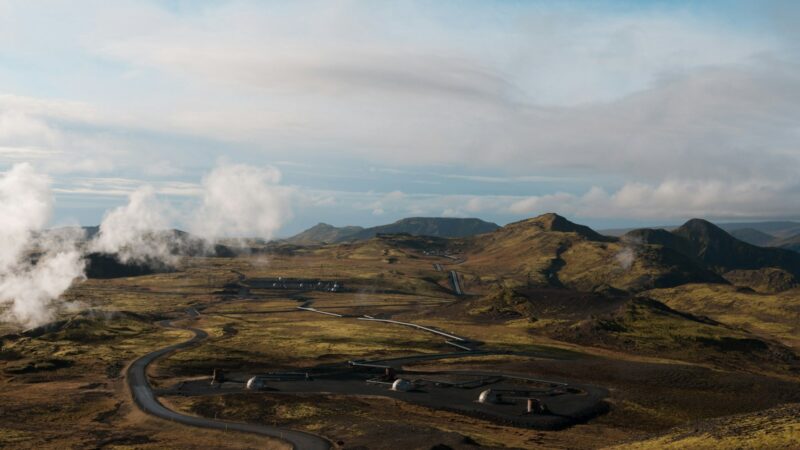
Krafla in the Mývatn region is defined by volcanic forces and a unique window into deep earth processes, with its caldera, historic eruptions and geothermal innovations.
Situated near Lake Mývatn and the Krafla volcano, Krafla Power Station is both a feat of engineering and a testament to Iceland's relationship with its geothermal environment.
Hengill, an active volcanic region near Reykjavík, shapes the landscape and energy resources of southwest Iceland, and is filled with geological wonders and legends.
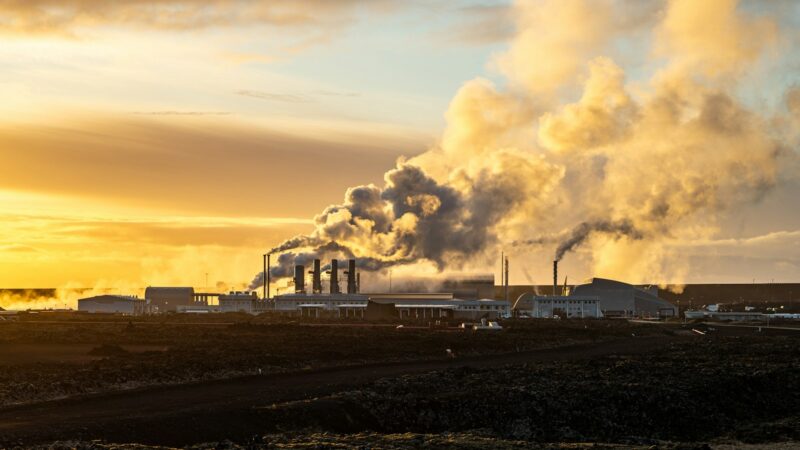
Since 1976, the Svartsengi power station has heated homes and generated electricity across southwest Iceland. Its innovations and resilience have become an essential part of daily life on the Reykjanes Peninsula.
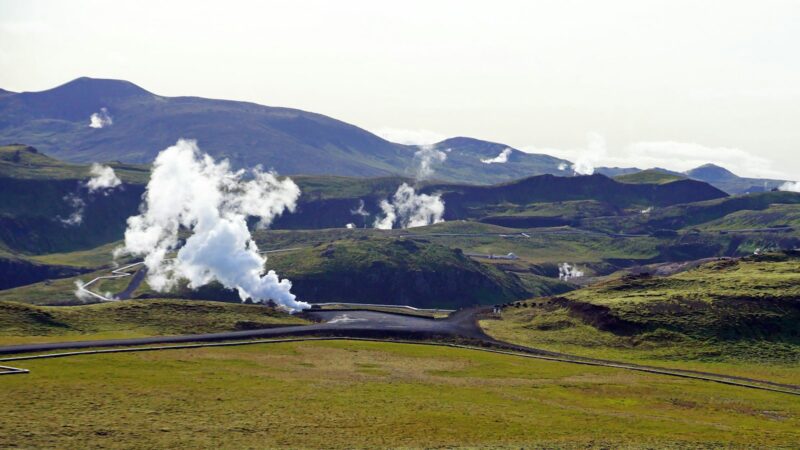
Hellisheiði Power Station stands out for its scale and technology, generating electricity and hot water from volcanic forces while addressing environmental concerns.
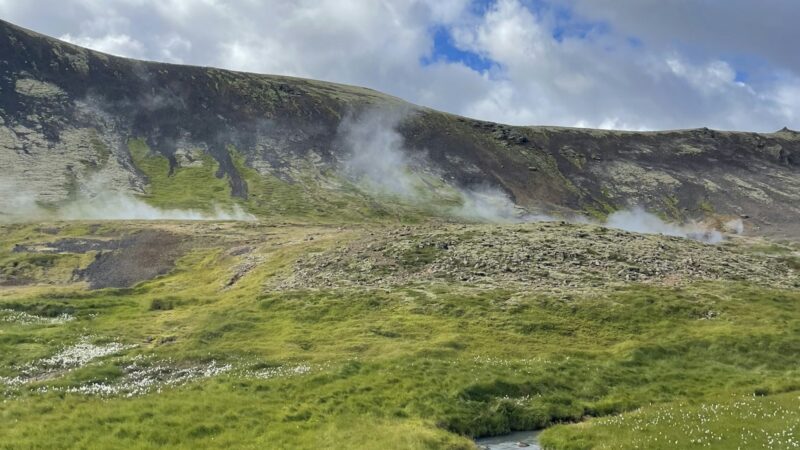
Iceland’s rich volcanic landscape provides one of the world’s highest shares of geothermal energy. The nation’s homes, industries and electricity are deeply connected to these natural forces.