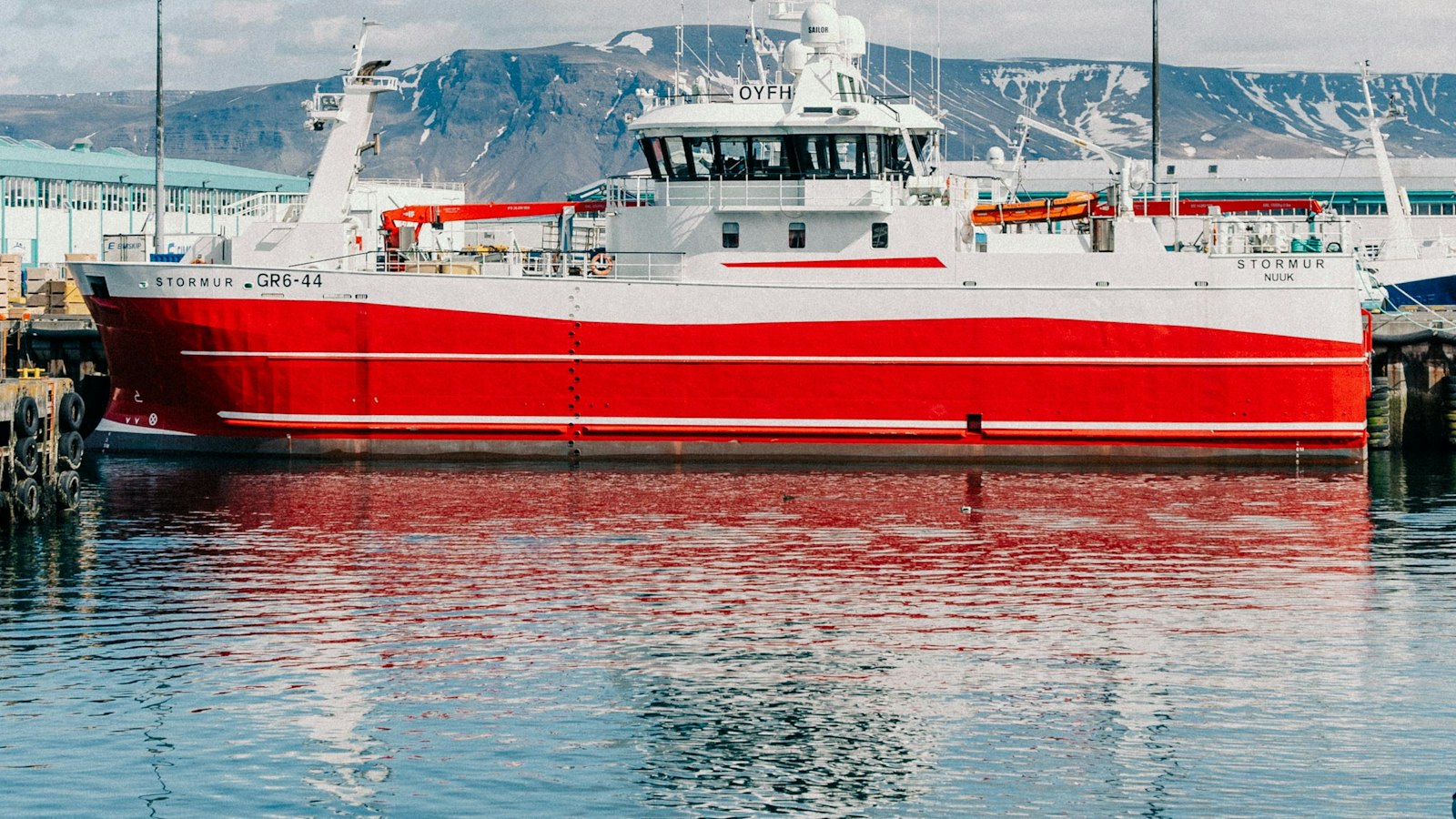
Cod, known as þorskur in Icelandic, has long held a central place in the diets and economies of both Iceland and the United Kingdom. For centuries, the cold, nutrient-rich North Atlantic waters teeming with cod and other fish have been the focus of robust fishing communities. But it was only in the twentieth century that these deep-rooted fishing traditions erupted into open conflict, a series of clashes that would become known as the Cod Wars.
Centuries of tension on the sea
British fishing boats have ventured into Icelandic waters since the 14th century, often bringing back catches so abundant they sparked political friction across Europe. As early as 1414, the Danish king (then ruling Iceland) barred trade with England in complaint over depleted fish stocks. Diplomatic skirmishes alternated with intermittent treaties, usually short-lived, that allowed limited British fishing in Icelandic waters. Technological changes, especially the rise of steam-powered trawlers in the late 19th century, made these waters more accessible and increased international competition.
By the 20th century, Iceland’s rich fishing grounds had become critical for the British distant water fleet. Agreements set territorial waters at just three nautical miles, but Icelanders saw growing pressure on their principal resource. When Iceland, newly independent from Denmark, began to claim wider territorial waters after the Second World War, conflict became inevitable.
Modern Cod Wars and their legacy
The dispute erupted formally in 1952, when Iceland extended its territorial waters from three to four nautical miles. The UK responded with a ban on Icelandic fish landings, cutting Iceland off from its biggest export market. Tensions grew over several decades, with Iceland steadily expanding its claimed exclusive waters: to 12 nautical miles in 1958, then ultimately to 200 nautical miles by the mid-1970s.
The confrontations were sometimes sharp. British trawlers, escorted by Royal Navy ships, clashed repeatedly with the Icelandic Coast Guard, whose crews used hawsers to cut British fishing nets. Both sides sent and received damage in ramming incidents. Only one death occurred: in 1973 an Icelandic engineer died while repairing a patrol boat following a collision.
Iceland’s threats to leave NATO added new urgency to negotiations, as the country’s position inside the GIUK (Greenland-Iceland-UK) gap was vital to Cold War defences. In the end, each of the Cod Wars closed with agreements favouring Iceland, expanding its control first to a 12-nautical-mile zone and later to an unprecedented 200-nautical-mile fishery zone. Iceland’s victories not only changed its economic trajectory but also devastated British fishing communities, which lost access to a resource they had fished for over 500 years. Britain eventually declared its own 200-nautical-mile zone in response.
Since 1982, the 200-nautical-mile exclusive economic zone has been standard in international law, owed in part to Iceland’s persistence. Today, the Cod Wars are studied globally as examples of how small nations can use economic, legal and strategic arguments to prevail against larger powers, and how questions of food, sovereignty and identity are often most fiercely contested at sea.
Sources
- Wikipedia
- Wikipedia (Icelandic) in Icelandic


