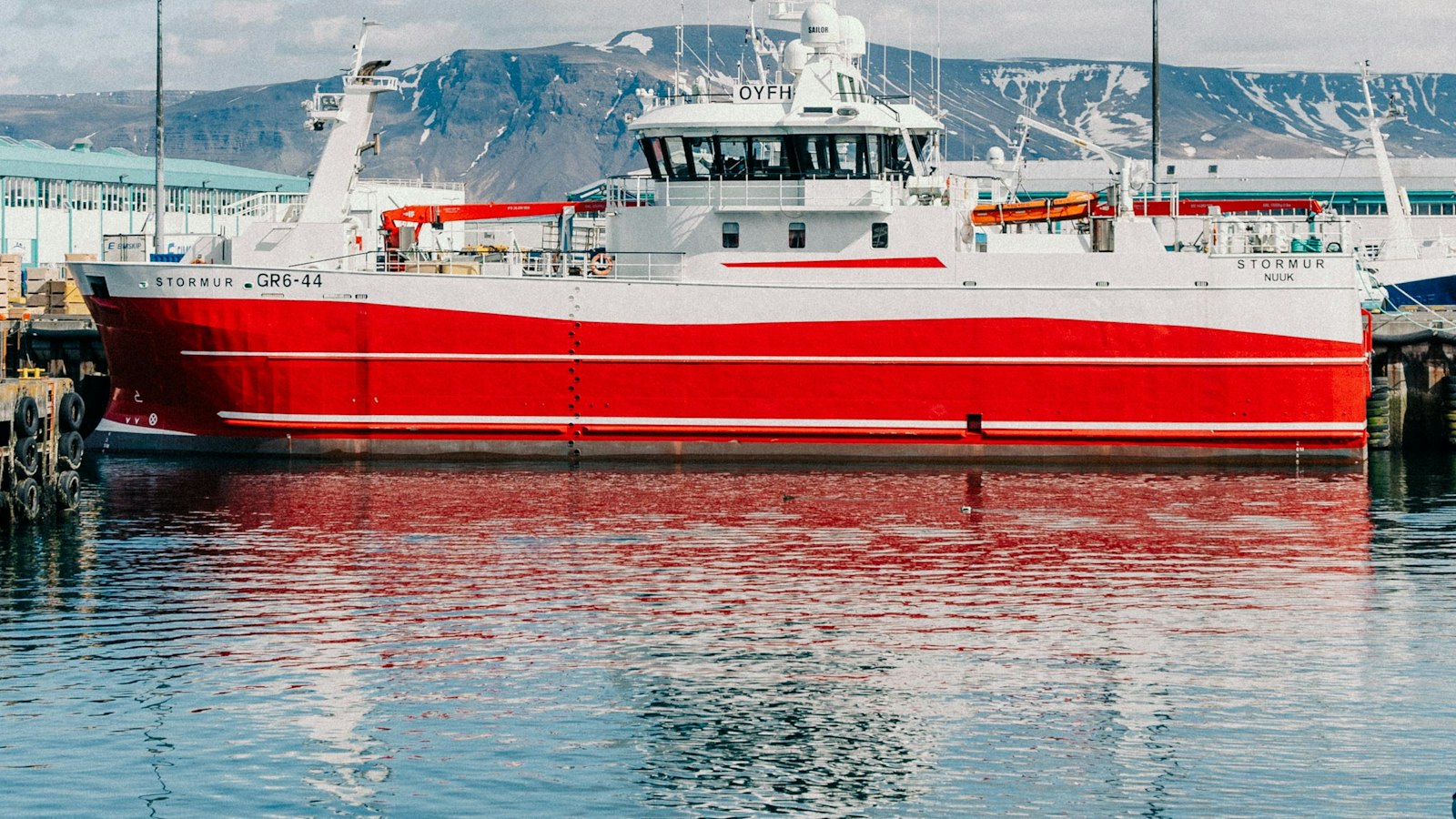
How the Cod Wars changed Iceland’s relationship with the sea and the world
From ramming ships to global law, the Cod Wars shaped modern Iceland and redrew lines in the North Atlantic, leaving lasting effects on both Icelandic and British society.
Topic
From ramming ships to global law, the Cod Wars shaped modern Iceland and redrew lines in the North Atlantic, leaving lasting effects on both Icelandic and British society.
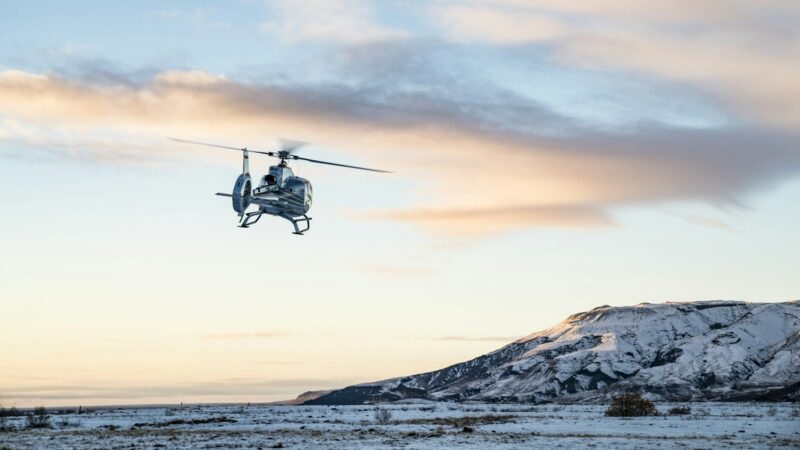
Despite its crucial position in the North Atlantic and NATO membership, Iceland has no standing army. Instead, defence is managed by the Coast Guard, police units, and international cooperation.
Iceland’s Coast Guard has played a central role in defining the nation’s modern borders, carrying out daring rescue missions and overseeing a vast maritime territory.
An Icelandic invention designed to sever trawling wires changed the balance of power at sea in the 1970s, as patrol vessels grappled with foreign fleets over fishing rights.
A relationship shaped by military strategy, disputes over fishing rights, and evolving cooperation has defined Iceland–United Kingdom connections since Iceland’s independence.
A fixture of Icelandic maritime memory, the former Coast Guard vessel Óðinn remains afloat and active as a museum ship in Reykjavík, linking the past and present of a nation shaped by the sea.
Iceland’s first marine research vessel, María Júlía, once braved Atlantic storms and played a central role in the Cod Wars. Its story continues as a piece of living history along the Westfjords.