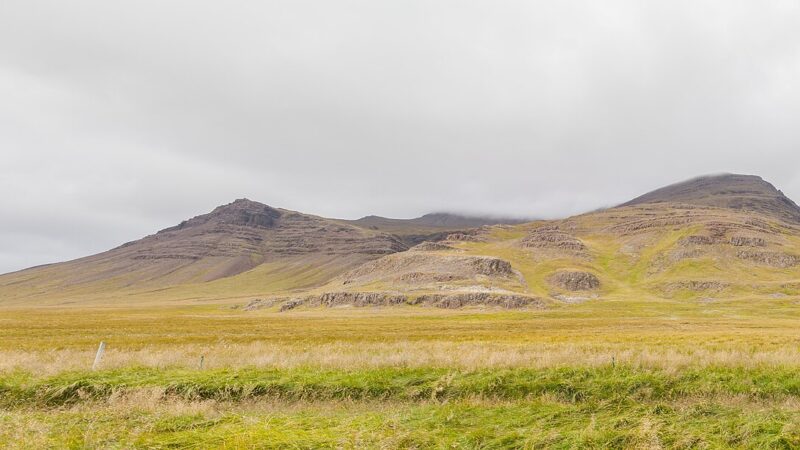
Dalabyggð, a municipality (sveitarfélag) in the West Iceland region, spans a landscape woven with centuries of history and a continuing agricultural tradition. Covering an area of 2,427 square kilometres, it stretches from the head of Álftafjörður to Gilsfjörður and includes the whole of the traditional Dalasýsla district and the former Skógarstrandarhreppur portion of Snæfellsnessýsla.
Formation and communities of Dalabyggð
Dalabyggð was formed on 11 June 1994 when six rural districts, Fellsstrandarhreppur, Haukadalshreppur, Hvammshreppur, Laxárdalshreppur, Skarðshreppur, and Suðurdalahreppur, merged. Skógarstrandarhreppur joined in 1998, followed by Saurbæjarhreppur in 2006. At one time, up to ten municipalities coexisted in this territory; in total, thirteen different municipalities have governed parts of the area now united as Dalabyggð.
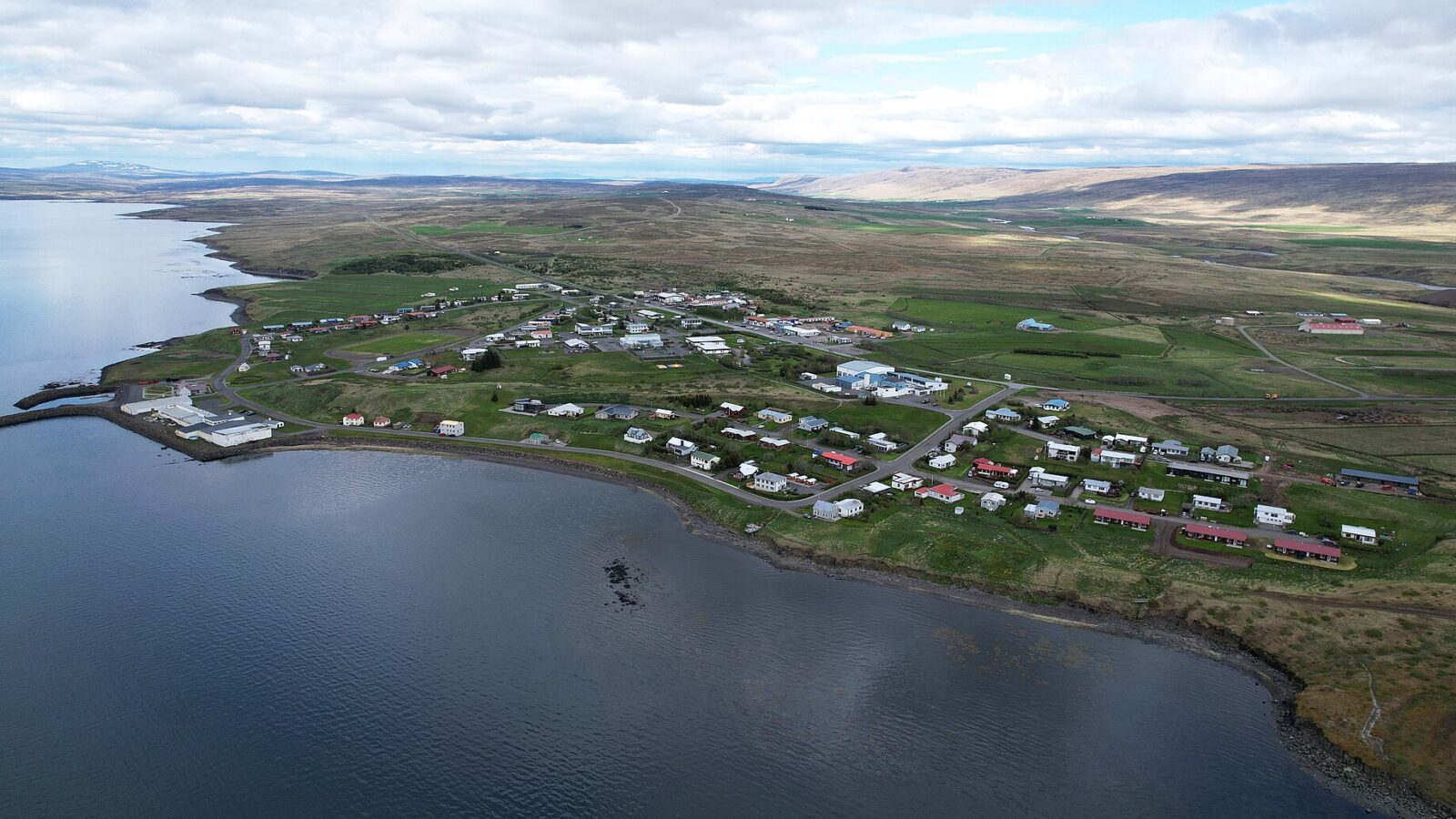
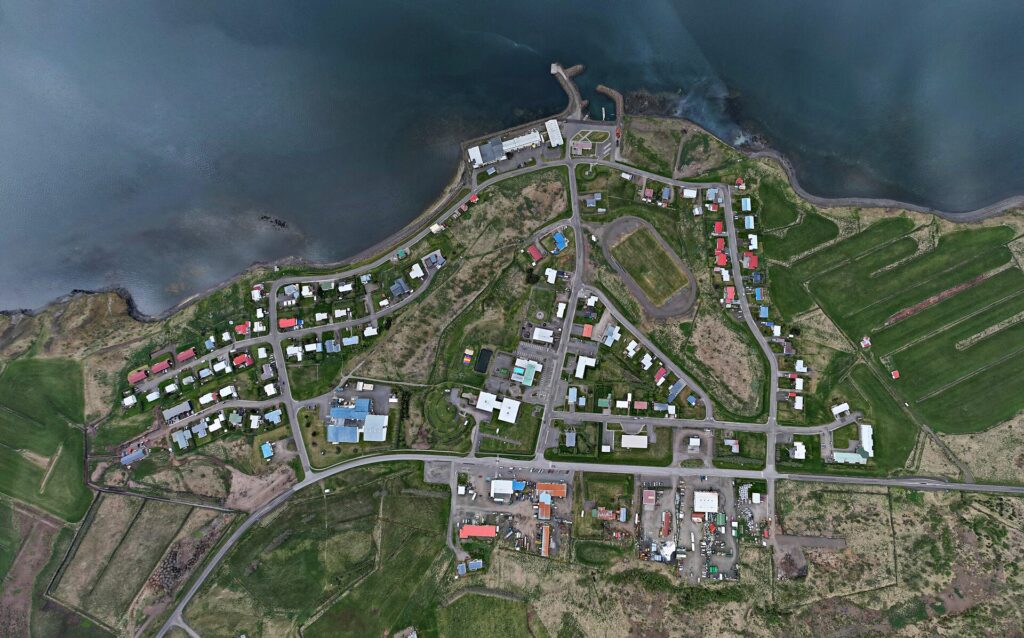
The main settlement is Búðardalur, serving as the area’s commercial and social centre. Throughout the countryside, smaller communities maintain a rural way of life deeply connected to sheep farming and agriculture. There are four social centres in the municipality: Árblik in Miðdalir, Dalabúð in Búðardalur, Staðarfell on Fellsströnd, and Tjarnarlundur in Saurbær.
A landscape rooted in agriculture and dairy production
Agriculture, and especially sheep farming, is central to daily life and the local economy in Dalabyggð. Agricultural processing is also significant and includes products sold directly from local farms. A well-known dairy facility in the area manufactures all of the country’s blue cheeses, highlighting how traditional farming methods and modern food processing coexist in the region.
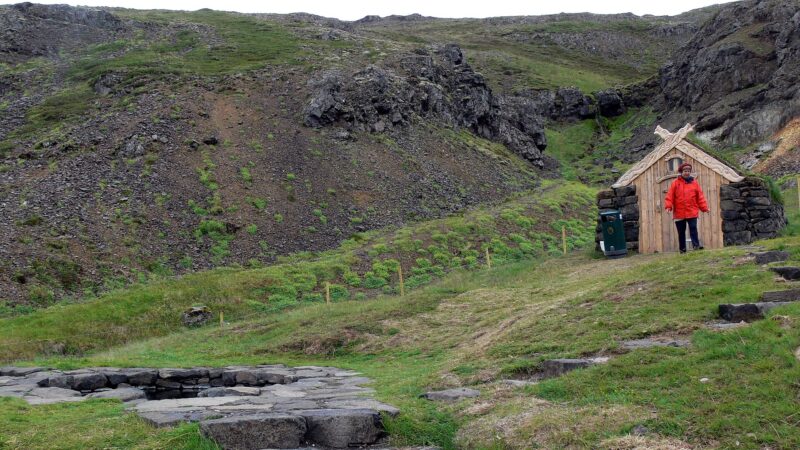
Other local features include a thermal bath called Guðrúnarlaug, named for Guðrún Ósvífrsdóttir of the medieval Laxdæla saga. This is one of several sites in the municipality linked to the sagas and the area’s literary history.
Historical figures and saga heritage
Dalabyggð is notable for its connections to important Icelandic figures. Poets and writers such as Steinn Steinarr, Jóhannes úr Kötlum, and Theódóra Thoroddsen were born or raised here. The historian Árni Magnússon and the politician and writer Snorri Sturluson, who was born on the farm Hvammur í Dölum, both have strong ties to the region.
Several prominent saga sites are located within Dalabyggð, including Eiríksstaðir (linked to Leifur Eiríksson), Haukadalur, Ólafsdalur, and places mentioned in the Sturlunga saga, such as Hvammur and Sauðafell. The saga tradition is further represented by Guðrún Ósvífrsdóttir and Auður djúpúðga, important female leaders in the Laxdæla saga and the early settlement period.
Dalabyggð’s official symbol was selected through a competition in 1994. The feather represents culture, the bird signifies freedom, and six pennants denote the union of the original districts.
More information on current activities, services, and cultural heritage in Dalabyggð can be found on the municipality’s official website.
Sources
- Wikidata
- Wikipedia (English)
- Wikipedia (Icelandic) in Icelandic
Image: Eysteinn Guðni Guðnason / Wikimedia Commons (CC BY-SA 4.0) · licence, original (resized) Illustrative image.
Facts last reviewed 24 October 2026. Published 24 October 2026.