The waters that surround Iceland have long shaped its fortunes, and the responsibility of overseeing this rough expanse falls to the Icelandic Coast Guard, or Landhelgisgæsla Íslands. Originally established in 1926, this state agency carries out duties that reach far beyond the shoreline, ranging from the rescue of ships in storm-tossed seas to the surveillance of airspace and the mapping of coastal waters.
A force born from independence and necessity
The Coast Guard’s roots trace back to the late 19th century, when foreign fishing vessels frequently came close to Iceland’s shores. Tensions regularly flared, culminating at times in tragedy. The need for more effective monitoring and protection intensified after the country achieved home rule from Denmark in 1904, leading to the first purpose-built guard-ship, Óðinn, arriving in the summer of 1926 and the formal creation of a dedicated agency.
Iceland’s unique situation, an island state with no standing army, places extraordinary demands on its Coast Guard. Today, around 280 people are employed in roles covering everything from mine clearance near military airports to providing emergency services to communities isolated by seas or weather. The fleet includes two offshore patrol vessels and a number of support craft, complemented by a modern aeronautical division operating helicopters and a modified maritime surveillance aircraft.
Defending the fishing grounds
One of the most high-profile periods in the Coast Guard’s history was its involvement in the fishing rights disputes of the mid-20th century, known internationally as the Cod Wars. These confrontations pitted Icelandic patrol boats against British and West German trawlers, and from 1972 to 1976, collisions between vessels and dramatic wire-cutting maneuvers became a regular feature. The encounters became symbolic of Iceland’s determination to control its fisheries, with the Coast Guard ultimately enforcing the extension of the country’s exclusive fishing zone to 200 nautical miles by 1976.
Beyond defending fisheries, the Coast Guard also coordinates wide-ranging rescue efforts under the Joint Rescue Coordination Centre, which covers an expansive area stretching toward Greenland and the Faroe Islands. The agency is tasked with defusing mines, a lingering danger from wartime activity, and producing detailed nautical charts for both local and international use.
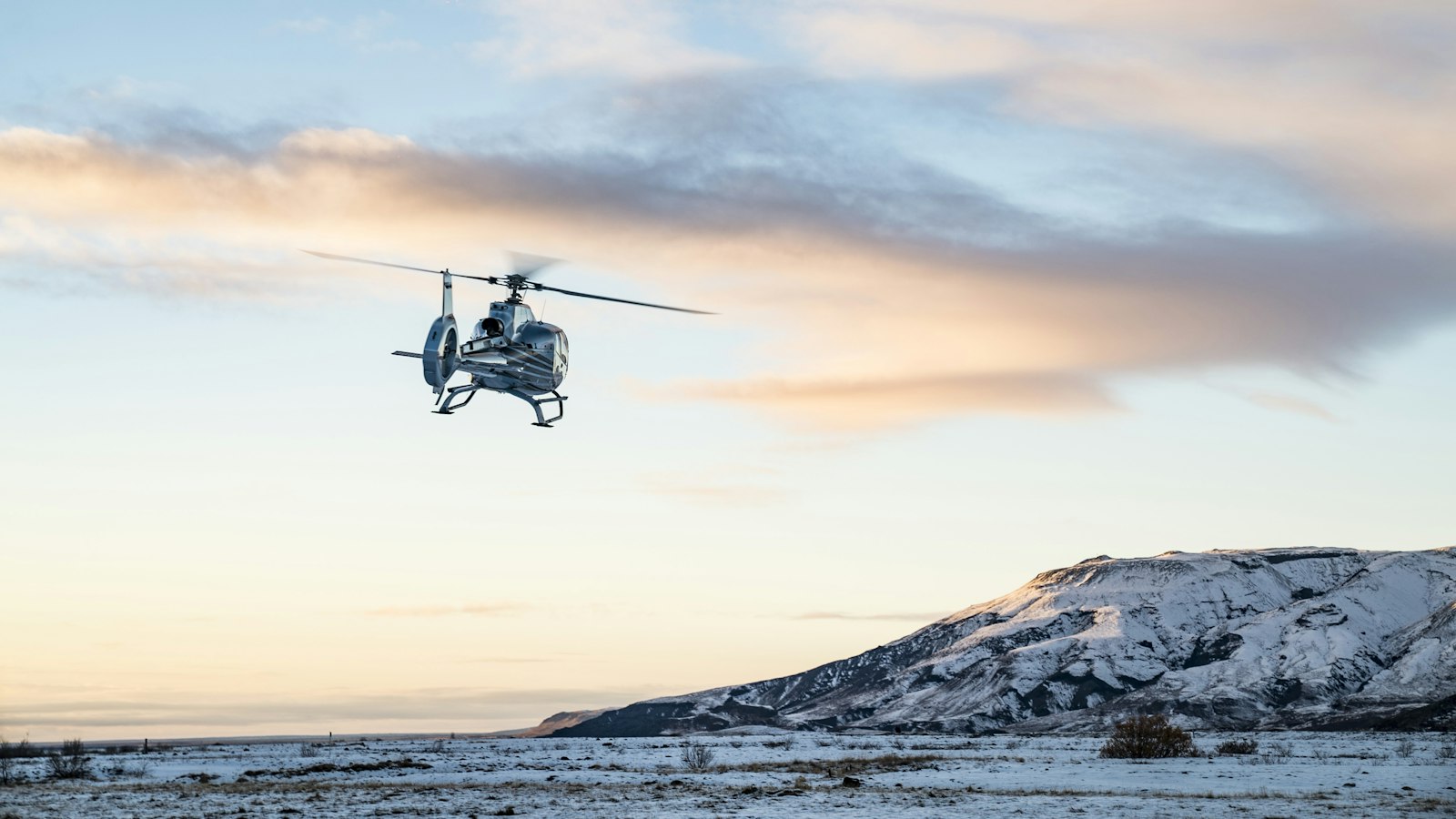
The helicopter and fixed-wing aircraft crews, often operating in challenging conditions, are renowned for high profile rescues at sea and on land. Helicopters in the fleet have been central to life-saving missions, such as evacuating stranded sailors, and have even operated further afield in international humanitarian efforts, like the rescue of hundreds of refugees in the Mediterranean Sea in 2015 as part of a European border operation.
Over the decades, the Coast Guard’s evolving equipment has mirrored broader changes in technology and geopolitics. Older vessels and aircraft have made way for newer models, yet the agency’s core mission, ensuring the safety and sovereignty of Iceland’s people and waters, remains unchanged.
Sources
- Wikipedia
- Wikipedia (Icelandic) in Icelandic