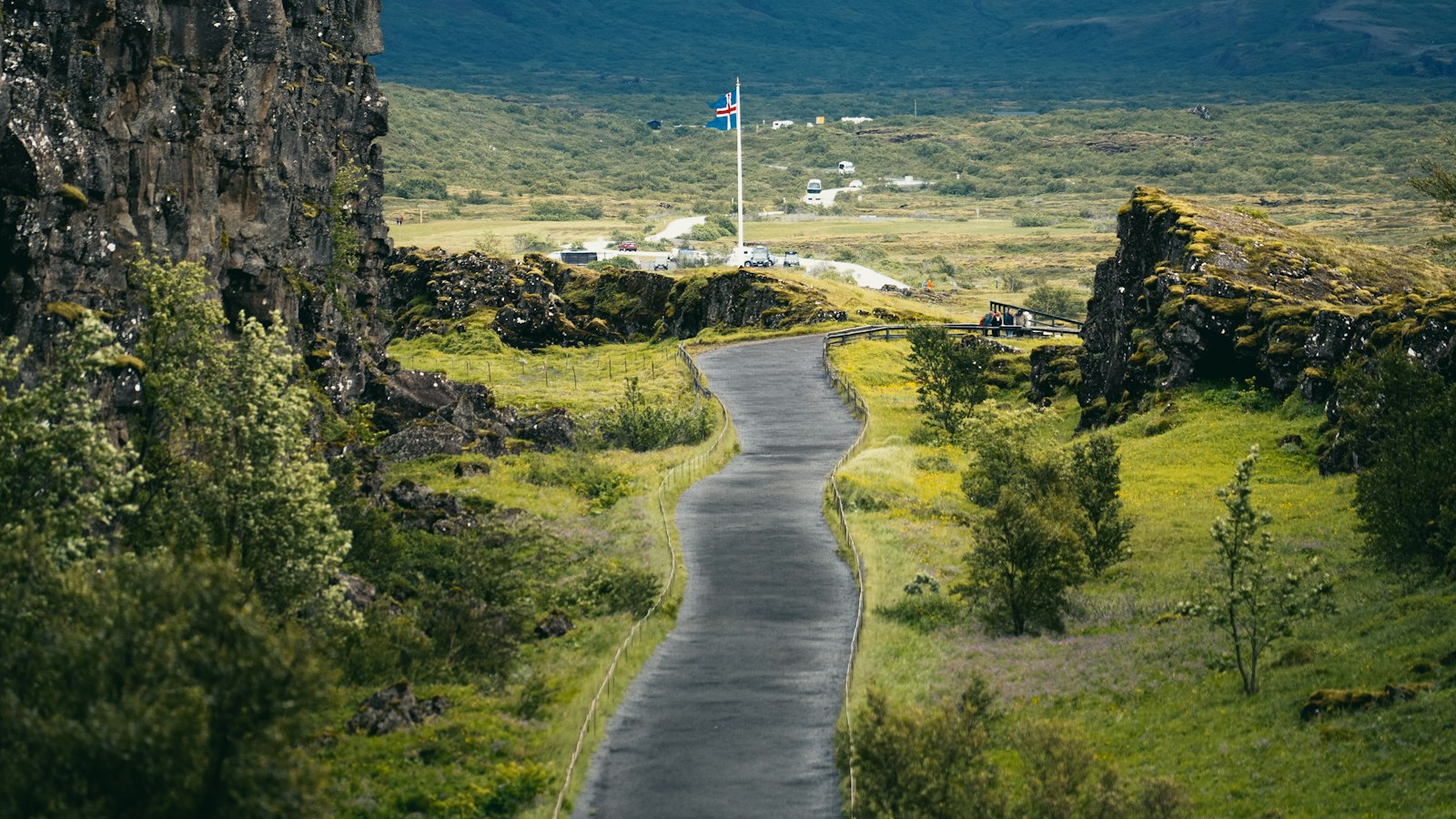
The story of Iceland’s path to independence stretches from a medieval agreement to the decisive referendum of 1944. Instead of the violence seen in many struggles for sovereignty, Iceland’s movement was marked by negotiation, gradual reform and a persistent sense of cultural identity.
From Old Covenant to new aspirations
Iceland first submitted to foreign rule in 1262, when chieftains signed the Old Covenant and accepted the Norwegian king after a turbulent era known as the Age of the Sturlungs. With the Norwegian royal line ending in 1380, Iceland became absorbed into the Kalmar Union, which placed Denmark at the helm. For centuries, Iceland’s legislature, the Alþing, carried only judicial power until it was abolished in 1800, replaced by a royal court.
The first stirrings of a national awakening came in the early 19th century. Icelandic intellectuals, influenced by the romantic and nationalist ideas circulating in Europe, promoted pride in the country’s language and literary heritage. Figures such as Jónas Hallgrímsson and the Fjölnismenn, a group of poets and writers, were instrumental in reviving interest in Icelandic culture.
Steps toward self-government
Formal demands for autonomy surfaced in the 1830s. In 1843, a royal decree restored the Alþing as a consultative body, emphasizing continuity with its medieval origins. The movement crystalised under the leadership of Jón Sigurðsson, an academic and statesman whose arguments invoked Iceland’s historical rights and the need for self-rule following the end of absolute monarchy in Denmark in 1848.
A key moment arrived at the 1851 national assembly, convened by the Danish government. Jón Sigurðsson’s proposal for autonomy met resistance from the Danish authorities, leading to a dramatic protest where he and his colleagues declared, ‘Vér mótmælum allir’, ‘We all protest’. This episode cemented Jón’s role as the unchallenged leader of the independence campaign.
Iceland’s journey advanced through legal reforms. In 1874, a millennium after settlement, Denmark granted Iceland its first constitution and limited home rule, celebrated at Þingvellir. This period, known as the Landshöfðingjatímabil, gave the Alþing joint legislative authority with the king and some financial control, but real executive power remained with a Danish-appointed governor.
The pace of self-government increased with the 1904 appointment of a minister for Icelandic affairs, Hannes Hafstein, who was accountable to the Alþing. Iceland formally gained sovereignty in 1918 with the Danish–Icelandic Act of Union. This act made Iceland a separate kingdom under the Danish crown, complete with its own flag and Supreme Court, though Denmark continued to manage foreign policy and defence.
During the Second World War, Denmark’s occupation by Nazi Germany created the opportunity for Iceland to settle its final constitutional ties. In a national referendum held in May 1944, Icelanders overwhelmingly supported the move to a republic, with almost complete turnout and rare unanimity, formally severing links to the Danish crown and establishing their own republic.
The peaceful character of the independence movement has often been attributed to Iceland’s remote geography, homogeneity, and the relatively accommodating stance of Danish authorities, reflecting the Nordic trend toward nonviolence in the nineteenth and early twentieth centuries.
Sources
- Wikipedia
- Wikipedia (Icelandic) in Icelandic


