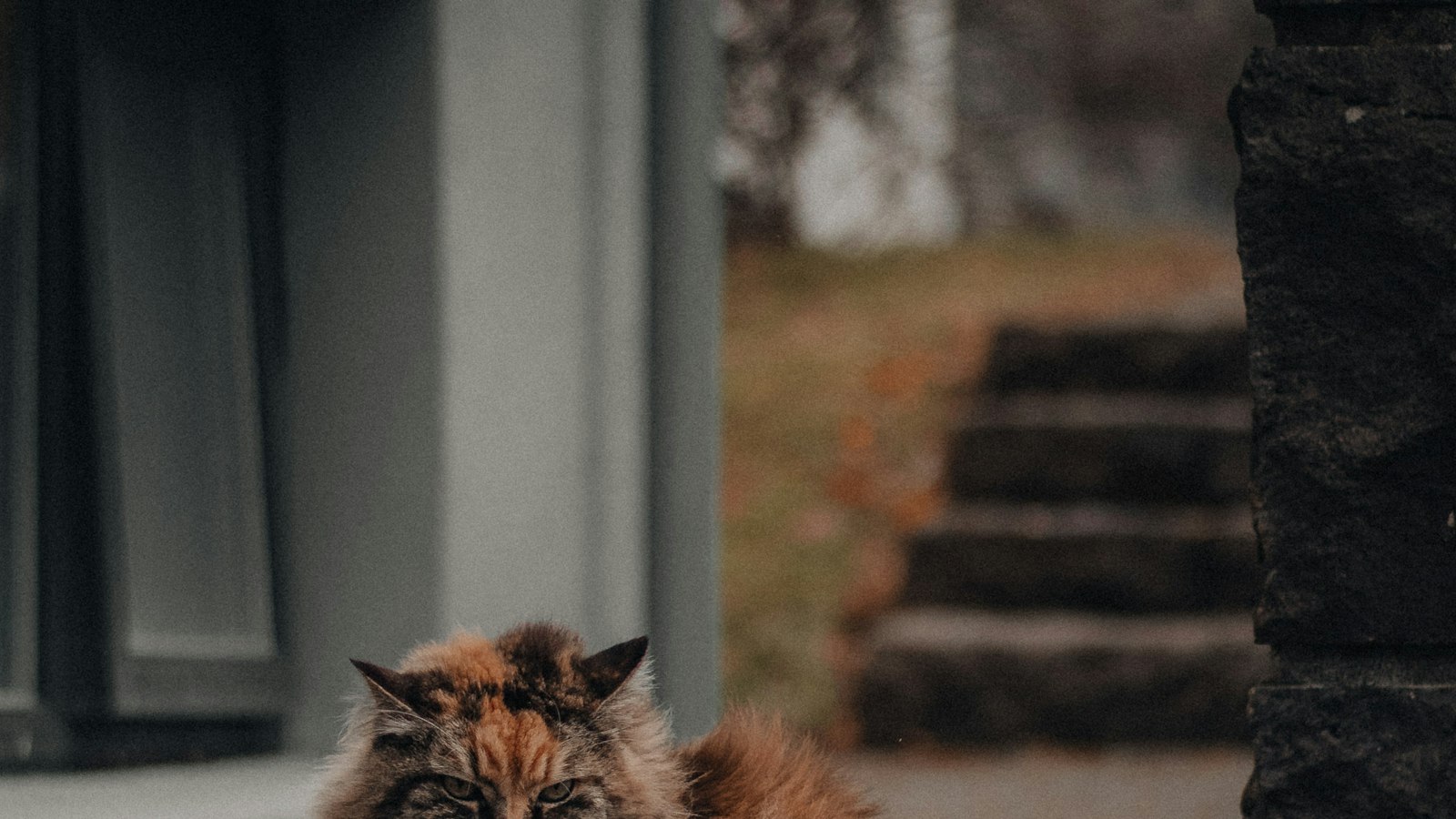
For centuries, stories of the Yule cat (Icelandic: Jólakötturinn) have woven a thread of tension and intrigue through Icelandic Christmas folklore. As winter darkness deepens across the island, tales persist of a fearsome feline lurking in the snowy landscape, demanding payment in new clothing for safe passage into the holiday season.
A monster born from wool and warnings
The earliest known account of the Yule cat appeared in Jón Árnason’s 1862 compilation of Icelandic folktales. Described as a beast of the countryside, the Jólakötturinn was said to devour those who failed to receive a new piece of clothing before Christmas Eve. In some versions, the creature only eats the festive food of the poorly dressed, rather than the people themselves. These stories were more than tales to spook children, they served a purpose in everyday life on the Icelandic farm.
Traditionally, farm workers processed wool gathered during autumn, racing to finish their tasks before Christmas. Those who completed the work were often rewarded with new garments. The threat of the Yule cat, targeting anyone without a new clothing item as the year closed, motivated everyone to contribute. If a person lacked new clothes, it was said that Jólakötturinn might eat either them or their treasured Christmas meal, known as the “Christmas bit.”
A modern icon forged from poetry and city lights
The role of the Yule cat as a fixture of Icelandic Christmas grew in the 20th century, especially after the poet Jóhannes úr Kötlum included a vivid poem about the cat in his 1932 collection “Jólin koma” (“Christmas is Coming”). Alongside figures like Grýla, an ogress who snatches misbehaving children, and her sons the Yule Lads, Jólakötturinn soon became part of a larger mythical Christmas menagerie. In time, new stories cast the cat as Grýla’s disobedient pet, sometimes only controlled by Stúfur, the smallest of the Yule Lads.
By the mid-20th century, the monstrous feline was also celebrated in song. Ingibjörg Þorbergs composed music based on Jóhannes’s poems, including Jólakötturinn, ensuring the myth lived on through festive performances.
In recent decades, Jólakötturinn has prowled beyond storybooks. A 2008 article in The Reykjavík Grapevine boosted the Yule cat’s profile among English-speaking audiences. By 2018, a towering iron sculpture, five metres tall, had been installed as a public decoration in Reykjavík’s city centre for Christmas. The legend’s reach continued with a 2023 Icelandic film, “Þið kannist við…” (translated as “Krampuss”), which brought the Yule cat to the big screen.
Whether glimpsed in shadowy verse, public art or film, the Jólakötturinn symbolises both the harsh winters of the past and the enduring warmth of Icelandic tradition.
Sources
- Wikipedia
- Wikipedia (Icelandic) in Icelandic


