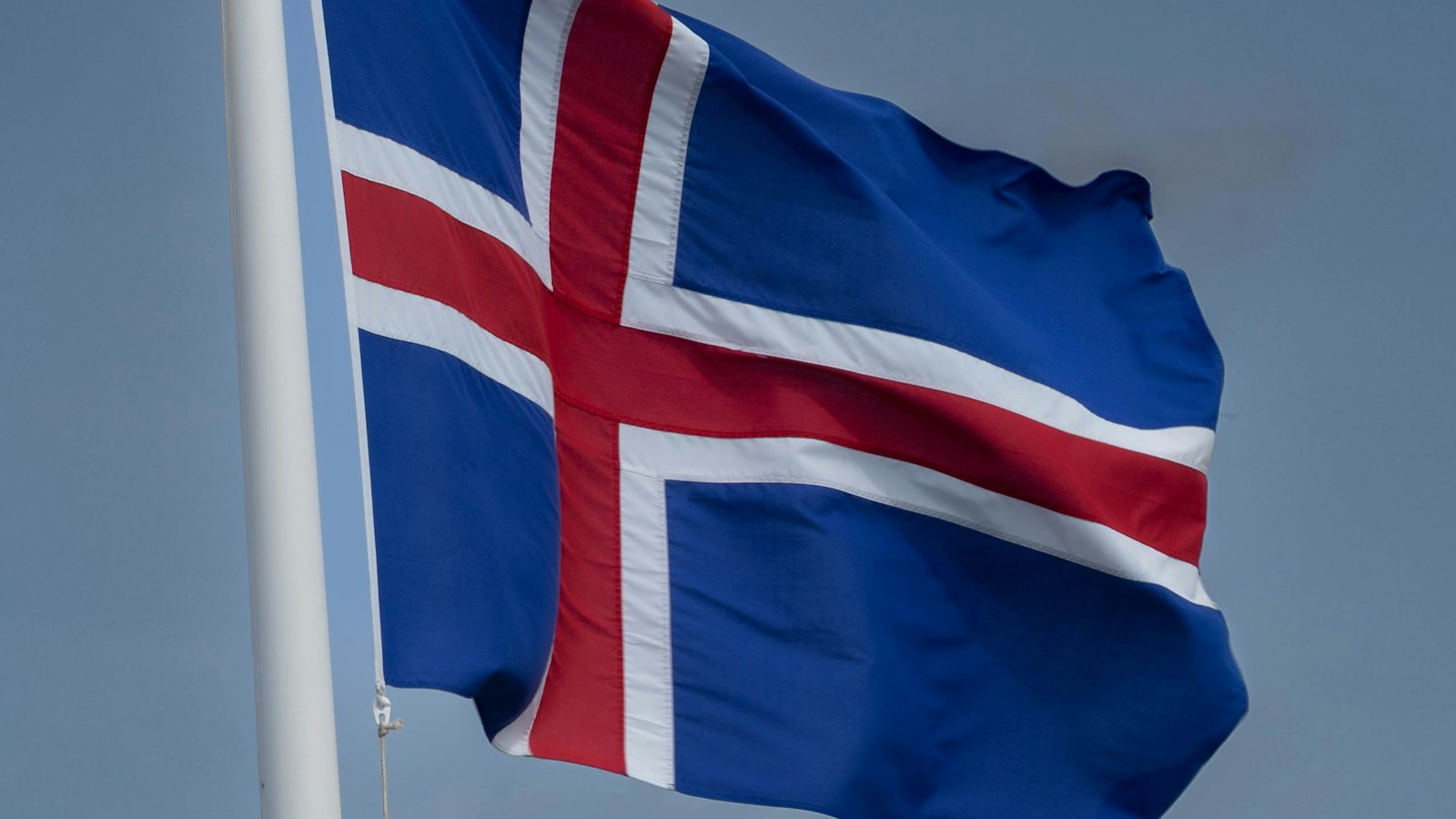
Travelers holding passports from one of the four European Free Trade Association (EFTA) countries, Iceland, Liechtenstein, Norway or Switzerland, enjoy exceptional freedom of movement across much of Europe. Yet, once these travelers cross borders into countries beyond Europe, a range of administrative entry rules comes into play. These visa requirements often reflect broader agreements and are shaped both by international law and local policy.
Movement across Europe and the EFTA convention
Citizens of EFTA states benefit from both the EFTA convention and bilateral agreements with the European Union (EU). This means Icelanders and their fellow EFTA nationals are legally entitled to travel, live and work across the EFTA and EU countries without needing a visa. For most, this right is grounded in the Citizens’ Rights Directive (sometimes called the Free Movement Directive), which lays out free movement for European Economic Area (EEA) citizens. The EEA includes the EU plus Iceland, Norway and Liechtenstein. Switzerland, though not part of the EEA, maintains a separate but parallel agreement with the EU that secures similar freedom.
Collectively, these arrangements have dissolved borders throughout the Schengen Area, a zone that spans 29 European countries. Within this area, internal border control has been abolished, creating a largely contiguous space for residents of member states. However, EFTA nationals must still adhere to visa requirements when traveling beyond this shared European space.
Visa requirements beyond Europe
Outside Europe, different countries impose varying entry restrictions and registration schemes. EFTA citizens, including those from Iceland, are typically allowed to visit a wide range of countries without a visa for brief stays. Yet, several countries now require electronic travel authorisations, even for short visits. Australia requires an eVisitor for all EFTA citizens, while Canada uses its Electronic Travel Authorization (eTA) system. The United States has its ESTA process and the United Kingdom uses the ETA system. New Zealand requires travelers to apply for the NZeTA and IVL.
In other cases, EFTA nationals may access visas on arrival, but these are sometimes limited by conditions such as required sponsor letters, business purposes or designated airports. Examples include Iraq (for certain airports and with restriction for Swiss citizens), Burundi (with entry authorisation), and Vietnam (only specific airports with approval letters). For specific destinations like Hainan Island in China, Icelandic citizens enjoy access as part of approved tour groups.
Simplified or special visa procedures are sometimes available, such as reduced documentation for Nauru or waivers for formal invitation letters in Uzbekistan for Swiss citizens. EFTA citizens can also use broader regional visas, including the universal KAZA visa for travel to Zimbabwe and Zambia, or the East Africa Borderless Visa that covers Kenya, Rwanda and Uganda.
Diplomatic and service passport holders from EFTA countries sometimes benefit from different visa exemptions or on-arrival visas, varying by destination.
If a non-European country does not grant equal visa access to all Schengen member state citizens, a formal process begins: the affected state must notify the European Commission, which can seek to suspend or reimpose visa requirements for nationals of the third country until reciprocity is restored.