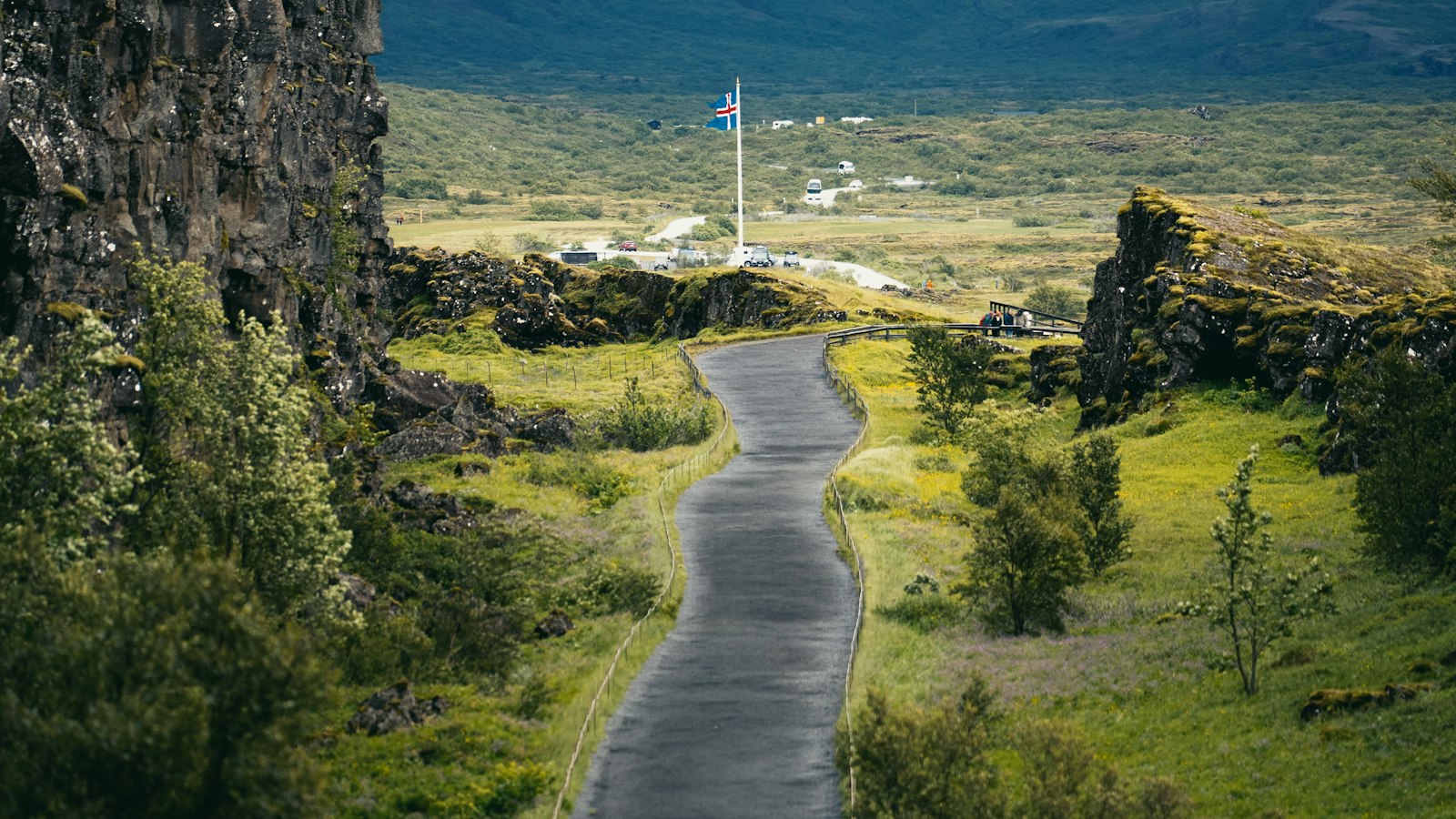
When the Alþingi, one of the world’s oldest parliaments, was convened at Þingvellir in 930, it brought with it the creation of the Court of Legislature, known in Icelandic as Lögrétta. This institution emerged not only as the heart of the legislative process for the Icelandic Commonwealth, but also as its highest court, wielding considerable influence over the country’s society and governance for nearly nine centuries.
The Assembly in the Open
Lögrétta’s meetings were held outdoors, following the broader tradition of the Alþingi. The sessions most likely took place in a stone-built ring or rectangle near the central site of Þingvellir, though the exact spot remains a matter of scholarly debate. These gatherings occurred on both Sundays during the assembly’s run, as well as its last day, with additional meetings called as required. The public could observe the proceedings, though entry within the symbolic boundary posts, vebönd, was restricted to those involved in its work.
Structure and Shifting Role
In its earliest form, Lögrétta consisted of 39 chieftains, called goðar, each accompanied by two advisers. With the foundation of Iceland’s bishoprics, bishops from Hólar and Skálholt also took seats. The leader of proceedings was the lawspeaker (lögsögumaður), a uniquely Icelandic role. When Iceland was divided into four administrative quarters in the 960s, Lögrétta’s judicial role was partially transferred to newly established quarter courts, though it retained its legislative function.
After Iceland came under Norwegian rule in the 13th century, Lögrétta regained some judicial responsibilities as earlier courts were replaced. Goðar were succeeded by appointed legislators (lögréttumenn), with 36 members selected from a pool of farmers nominated by local officials. Instead of a single lawspeaker, the court was guided by two lawyers, who chose panels from among the members to hear individual cases. Over time, particularly after royal power shifted to Denmark, the institution’s power to legislate was curtailed further, reducing it almost exclusively to a high court.
For centuries, Lögrétta was the top judicial institution in Iceland, ultimately replaced in importance by the High Court in 1563 and then by the National High Court in 1800. During some of its later years, the court’s business was conducted in a modest building erected west of the Öxará river at Þingvellir. This structure was in use until 1798, after which it fell into disrepair, closing a remarkable era in Icelandic legal history.
Sources
- Wikipedia
- Wikipedia (Icelandic) in Icelandic


