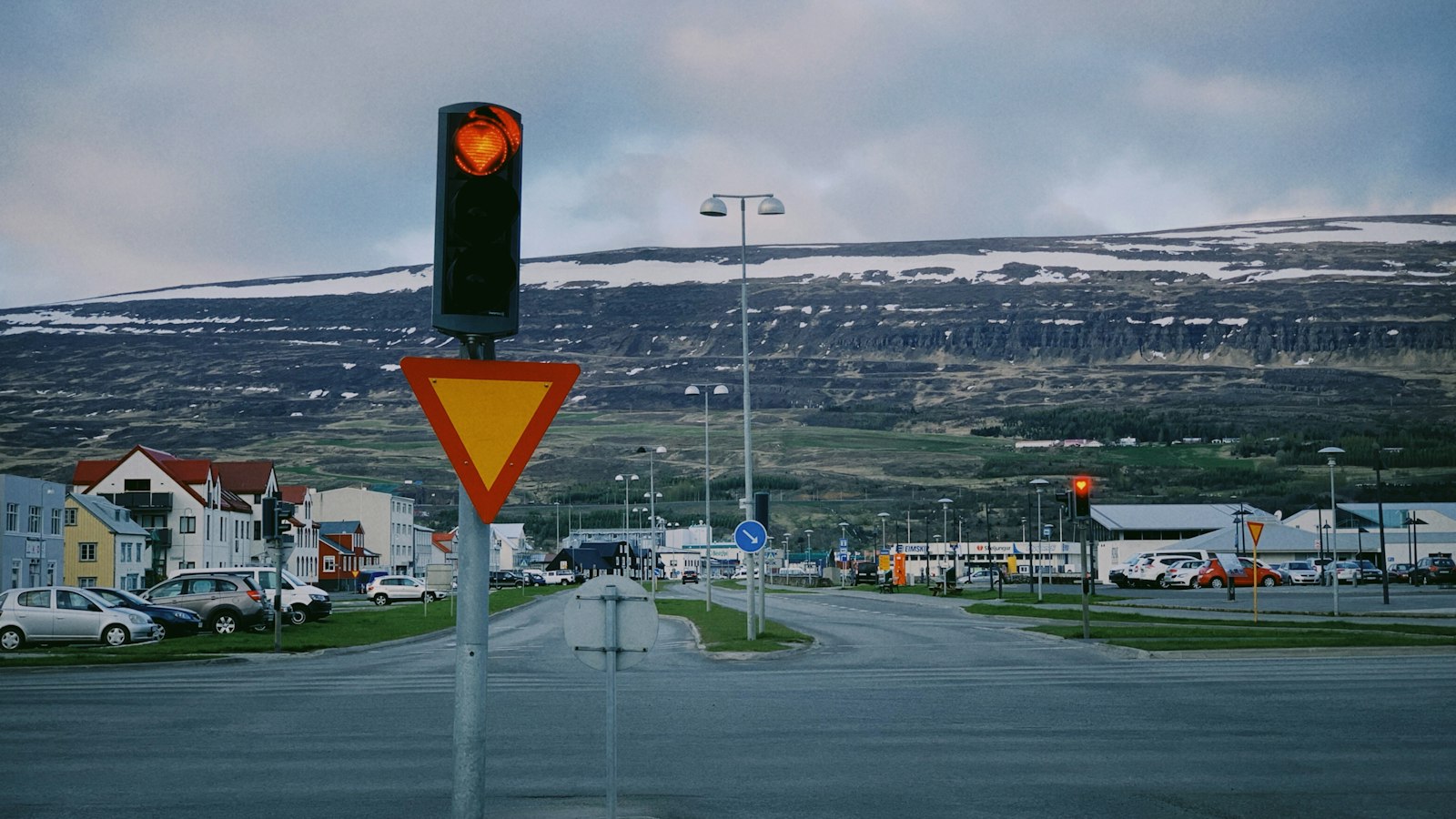
Iceland’s reputation for tranquillity is more than just a point of national pride, it is affirmed year after year by international indices. Iceland regularly tops lists such as the Global Peace Index and Global Finance’s safety rankings, positioning it as the most peaceful country globally well into 2025. For outsiders, this status might prompt curiosity about how crime is addressed, measured and understood in this North Atlantic island nation.
Frameworks for law and order
The backbone of Iceland’s criminal justice system is its General Penal Code from 1940, which defines offences and penalties. Procedures follow a separate statute set in 2008. Across the country, the police, lögreglan, operate through local districts guided by a national commissioner’s office. Specialist forces, assessments, and policies are coordinated at the national level, with the police authorised and regulated by legislation adopted in 1996.
Statistics on crime and imprisonment are publicly released by both the National Commissioner of the Icelandic Police and Statistics Iceland, offering a transparent look at trends and issues. From annual national tables to online dashboards with specific data on domestic and sexual offences, the information points to relatively low overall crime, adjusted for Iceland’s small population.
Understanding crime in a low-crime society
The murder rate in Iceland is notable for its rarity: international figures reported an intentional homicide rate of 0.54 per 100,000 people in 2021, placing Iceland among the lowest globally. Official travel advisories from governments such as the UK and US also describe the environment as safe, with only standard recommendations regarding minor thefts in nightlife districts.
Some forms of crime nevertheless present challenges. Organised crime is recognised as a significant risk, particularly involving cross-border criminal groups and illicit markets such as drugs. Authorities have responded with enhanced inter-agency cooperation, especially since 2025. Significant seizures of substances like cocaine and prescription opioids highlight Iceland’s position as both a consumer and transit zone in the North Atlantic.
Digital threats have also become increasingly relevant. CERT-IS, the national cyber incident response team, issues alerts and responds to disruptions, such as distributed-denial-of-service attacks that affected national institutions in 2023.
Gender-based violence receives continual attention, with the police issuing frequent updates and Reykjavík running the Saman gegn ofbeldi partnership to coordinate local prevention and response. Additionally, Iceland’s three main multi-agency centres provide victims of violence, whether domestic, sexual or otherwise, with coordinated assistance and counselling.
The issue of human trafficking emerged in the early 21st century, affecting both women and men from abroad in sectors such as construction and nightlife. Legal amendments in 2009–2010 strengthened both penalties and victim protection, in line with the UN Trafficking Protocol. Since 2023, updated legislation and cooperation with international oversight bodies have underlined a renewed commitment to tackling trafficking.
Law enforcement and social trust
Day-to-day policing in Iceland is carried out without most officers routinely carrying firearms, a reflection of both policy and the prevailing norms of public safety. Although the country has no standing military, the police remain the principal authority for maintaining order, often working closely with community groups and other agencies. Public reporting is facilitated through digital and emergency platforms, keeping the system accessible and responsive.
With its small population, Iceland’s penal system is proportionate in scale. The main closed facility, Litla-Hraun, can accommodate 83 male prisoners, while other areas serve those detained or under remand. Recent planning includes proposals for a modern high-security prison, reflecting an ongoing focus on humane and secure detention.


