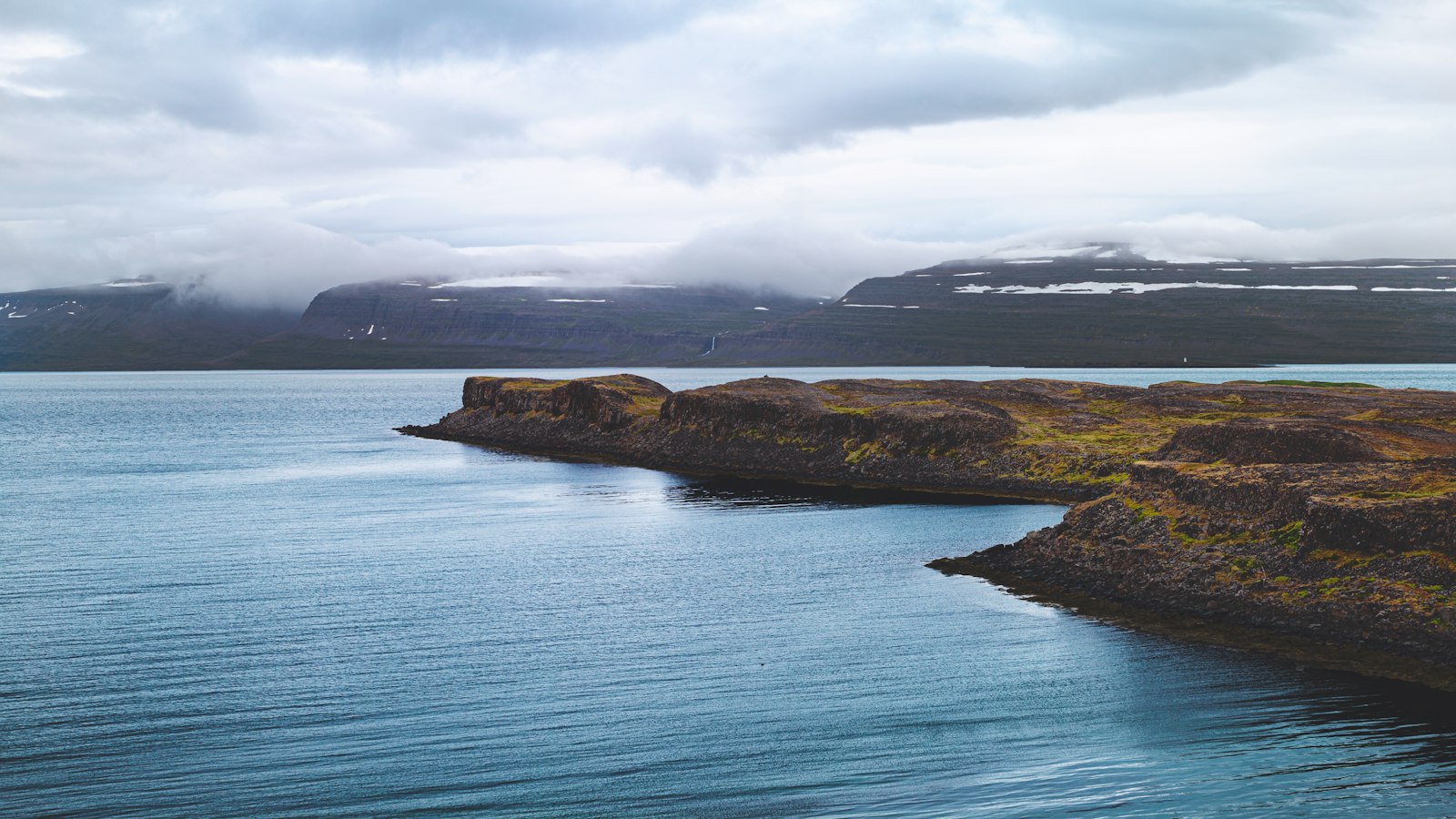
In the cold waters off Iceland’s Reykjanes Peninsula sits Eldey, a stark, uninhabited island just 13 kilometres from the mainland. Rising abruptly from the sea to a height of 77 metres, Eldey’s dark cliffs have become a centre of both unique natural history and geological intrigue.
A volcanic crest and geological crossroads
Eldey itself is the visible tip of a much larger volcanic system. Alongside the smaller outcrops of Eldeyjardrangur and Geirfuglasker, the island marks the northern end of the Eldey volcanic system, which stretches for 40 kilometres along the Reykjanes Ridge. This undersea ridge belongs to the Mid-Atlantic Ridge, where the Eurasian and North American tectonic plates pull apart at an average rate of 20 millimetres per year. The region’s rocks belong to the tholeiitic magma series and include picrite basalt, forming flat-topped ridges occasionally capped with conical or shield-like volcanoes. Historic eruptions have shaped the area, including events in 1879, a confirmed eruption in 1926, and even potential activity as recently as 1970. A small geothermal field lies beneath the sea just east of the island.
Birdlife and a lost species
Eldey’s sheer cliffs draw tens of thousands of seabirds, most notably one of the world’s largest colonies of northern gannets. Scientists have counted between 14,000 and 18,000 pairs nesting on the cliffs each spring, and for years, these numbers have remained relatively stable. Bird counts began in earnest in the mid–20th century, using methods that range from direct observation by boat to careful analysis of enlarged photographs. Since 2008, visitors have been able to observe the colony via webcams broadcasting from the island’s summit, offering a rare remote window onto this remote and protected ecosystem.
However, Eldey’s past holds a sombre story. In the 19th century, after a volcanic eruption drove them from nearby Geirfuglasker, the last population of great auks made Eldey their final refuge. These flightless birds, once widespread across the North Atlantic, fell victim to collectors seeking specimens for museums. In June 1844, the last known breeding pair was killed on the island and their egg accidentally destroyed, marking the extinction of the species. This event is referenced in scientific literature and novels alike, with Eldey becoming a symbol of how human curiosity and exploitation led to the great auk’s disappearance.
Today, Eldey is protected under Icelandic nature conservation law, a sanctuary for its thriving bird colonies and a reminder of the delicate balance between natural wonder and fragility.
Sources
- Wikipedia
- Wikipedia (Icelandic) in Icelandic


