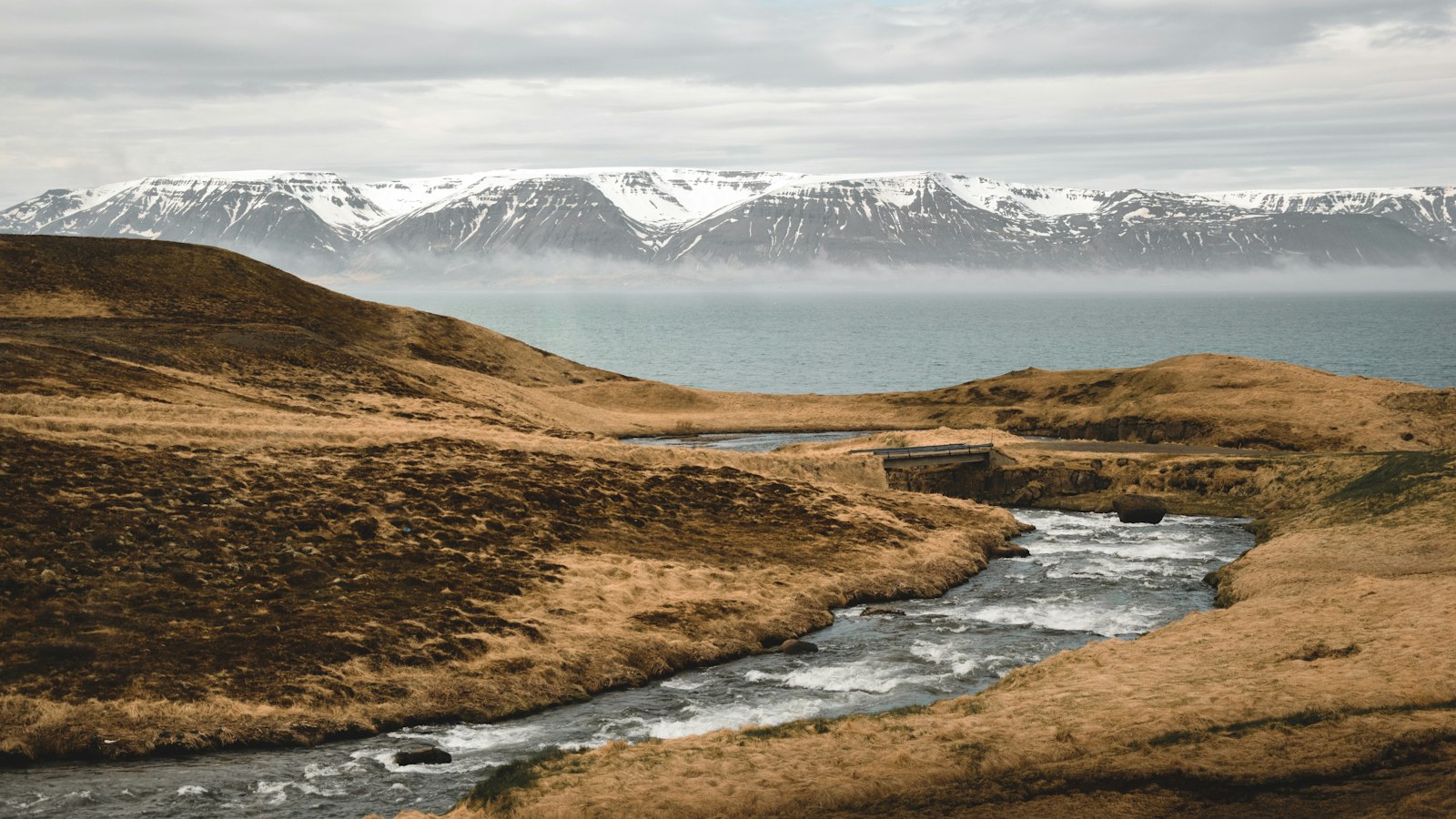
Iceland’s varied terrain is home to an array of valleys, each shaped by the forces of water, ice, and fire. These valleys serve as living records of glacial movement and volcanic activity, as well as sites of settlement, stories, and language. Their names are firmly tied to Icelandic geography and history.
Layers of meaning in valley names
Many valleys in Iceland have names ending with the word ‘dalur.’ In Icelandic, ‘dalur’ means ‘valley.’ This simple suffix, attached to unique descriptors, identifies features belonging to places and people. For example, Bárðardalur and Hítardalur may be named after local figures or myths. Others, like Fossárdalur (which could refer to a river with waterfalls) and Skorradalur, highlight a key element of the valley.
Icelandic valley names also carry echoes of regional history and geography. The repeated use of root words like ‘Reykja–’, as in Reykholtsdalur or Reykjadalur, suggests areas with geothermal activity, since ‘reyk’ refers to steam or smoke, common sights where hot springs emerge.
Diversity from fjords to highlands
Valleys in Iceland cut through most of the country’s landscapes, from the far west to the interior. For instance, Botnsdalur appears both near Hvalfjörður and Súgandafjörður, indicating that the same name can appear in distinct locations. Other names show their links to larger regions: Flókadalur comes in two forms, one in Borgarfjörður and one in Skagafjörður.
Some valleys trace their origins to glaciers. Jökuldalur, with ‘jökull’ meaning ‘glacier,’ signals the close ties between Iceland’s ice and landforms. Others, like Mýrdalur, link place and folklore; the name can evoke the concept of marshes or bogs, showing how the landscape influences both life and language.
Iceland’s valleys can be found in both accessible areas and hidden corners. Near Reykjavík, valleys like Fossvogsdalur and Víðidalur lie close to daily urban life, while Hrafnkelsdalur and Fnjóskadalur are further afield. The variety even within a single letter of the alphabet, from Aðaldalur and Austurdalur in the east to Vatnsdalur and Víðidalur in the west and north, reflects the islands’ blend of naming traditions and natural forces.


