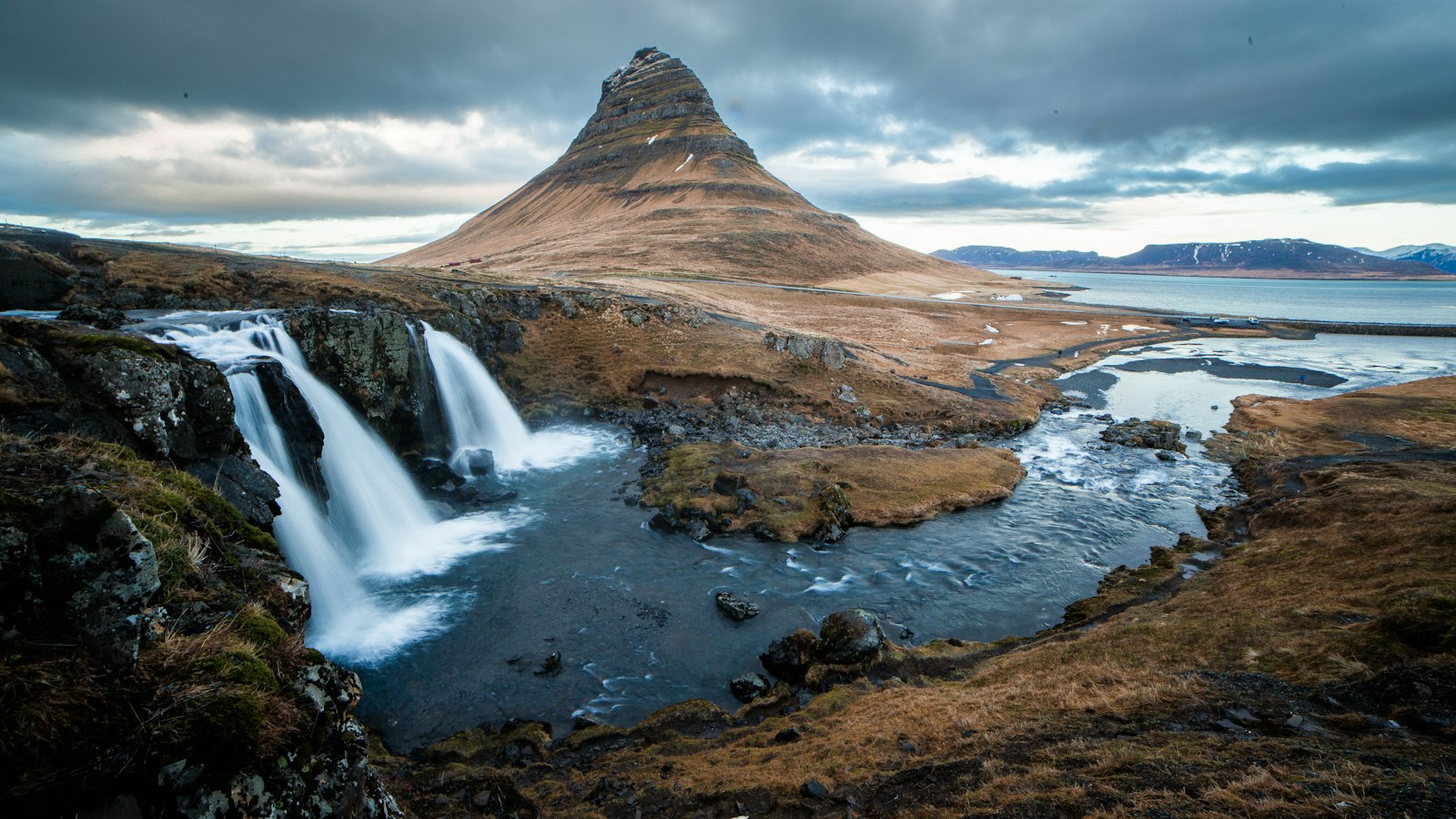
Nestled on the north coast of the Snæfellsnes peninsula, Grundarfjörður sits between steep mountains and the sea. The town’s position, close to the distinctively shaped Kirkjufell mountain, has steered its story for centuries. The harbor is known as one of the largest in West Iceland for demersal fishing and remains sheltered even when winds lash the region.
Fishing and trade have shaped life in Grundarfjörður from the earliest days of Icelandic settlement. As far back as the time recounted in sagas, ships anchored near Kirkjufell at Salteyrarós, an area with archaeological remains hinting at the bustle of Viking Age commerce. The town officially gained the right to trade in 1786, one of the first six legal towns in Iceland. That year, Grundarfjörður was even made the administrative centre for West Iceland, with unusual laws requiring that trading citizens hold full rights in the town.
Evidence of these commercial ambitions survives in the design of Grundarfjörður’s early buildings, their style reveals the prosperity brought by sea trade and fishing. The local harbor was expanded in the early 2000s to welcome growing traffic, continuing the town’s vital link to the sea.
French connections and local traditions
Grundarfjörður’s ties to France run deep. At the turn of the 19th century, French merchants lived here, building both a church and a hospital for their community. For decades, Breton sailors came each year from Paimpol in Brittany to fish Icelandic cod, forging enduring bonds. By 2004, these Franco-Icelandic links were formalised: Grundarfjörður and Paimpol became twin towns. A cross on Grundarkampur commemorates the French fishermen who perished in Icelandic waters.
The town’s culture remains vibrant. Events such as “Á Góðri Stund í Grundarfirði” (Good Times in Grundarfjörður) see residents decorate the streets and themselves in coordinated colours, while art installations pepper the landscape. Works include stone sculptures by folk artist Lúðvík Karlsson and statues dedicated to both fishermen and the orcas often seen nearby, the Snæfellsnes peninsula is unique in Iceland for regular orca sightings.
Local stories also echo through the terrain. The Berserkjahraun lava field, lying between Grundarfjörður and neighboring Stykkishólmur, is named in the medieval Eyrbyggja saga. According to the tale, two berserkers were slain there after one wished to marry his master’s daughter, reminding residents and visitors alike that in Iceland, landscape and legend intertwine.
Historic and modern life meet in the church built in 1966, which houses one of 500 original lithographs of the “Guðbrandsbiblía,” Iceland’s first printed book. With photography exhibits and music lying alongside the daily rhythm of harbor and home, Grundarfjörður continues to balance old ties and new expression by the foot of its iconic mountain.
Sources
- Wikipedia
- Wikipedia (Icelandic) in Icelandic


