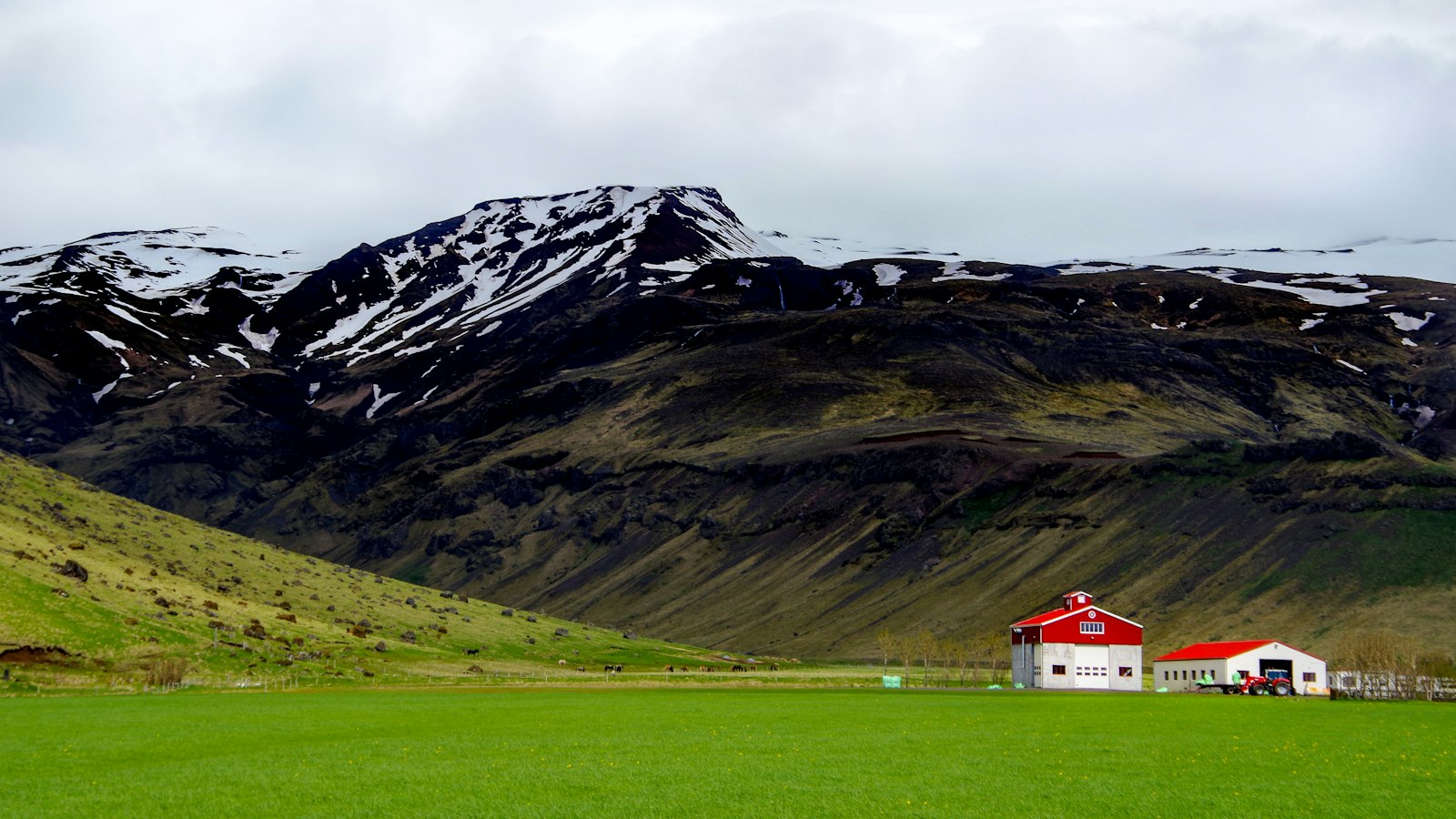
The Icelandic goat (íslenska geitin), sometimes called the “settlement goat,” is among the oldest living domestic breeds in the country. With its origins believed to lie in Norway, the breed arrived in Iceland during the initial Norse settlements more than 1100 years ago and has remained genetically isolated ever since.
A history marked by survival and rarity
Throughout its long presence in Iceland, the Icelandic goat has teetered on the brink of extinction more than once. In the late 19th century, the population plunged below 100 individuals, and even as recently as around 1960, the numbers reached this critical low point again. Fluctuations continued through the 20th century, influenced by changes in rural practices, urban growth, and disease control measures such as the division of herds by protective barriers set up in the 1940s.
By 1930 the goat population reached about 3000, but regular declines, notably when commercial dairies increased and the traditional use of goats for milk in coastal communities faded, have left the breed perpetually vulnerable. The genetic bottleneck caused by these repeated population crashes means that today’s Icelandic goats are a highly inbred group, distinct from other goats worldwide.
A rare breed with unique qualities
The Icelandic goat is rare not only in Iceland but virtually unknown beyond its shores. As of 2003, there were just 348 goats in 48 flocks spread across the country. The population improved to 849 by the end of 2012, although the largest single farm, Háafell in Hvítársíða, is home to over 180 animals.
Under its long, coarse outer hair, the Icelandic goat carries a layer of fine cashmere fibre. Despite this, the breed is not a major source of commercial products. Goats are mostly kept as pets today, with the economic potential for their meat, milk, and fibres yet to be fully explored.
Government protection and dedicated breeders
Recognising the goat’s precarious status, Iceland supports conservation through the only government-sponsored grant for a farm animal in the country. Goat owners are eligible for annual funding if they care for winter-fed goats and provide detailed animal reports, though the amount has been reduced over recent years. Dedicated farmers like Jóhanna Bergmann Þorvaldsdóttir have played a crucial role in breeding efforts, hoping to secure the future for this deeply rooted breed.
Sources
- Wikipedia
- Wikipedia (Icelandic) in Icelandic


