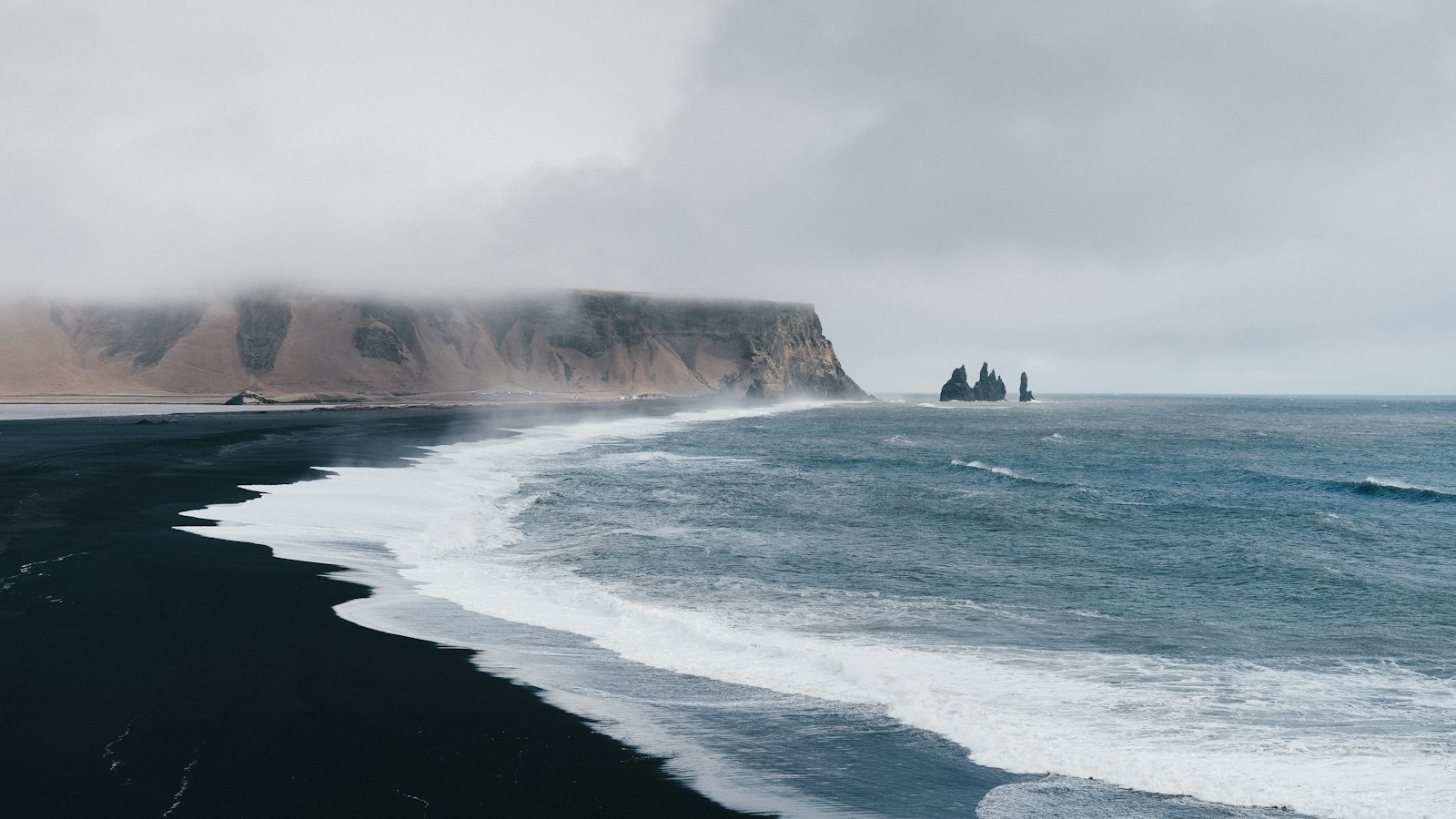
Along Iceland’s craggy shoreline, the brown fronds of Alaria esculenta, known locally as marinkjarni, cling to rocks just below the low-water mark. This seaweed, also called dabberlocks or winged kelp, has played a significant role in coastal societies of the far north Atlantic for generations. It endures wild surf, harsh weather and long winters, all while providing sustenance and nourishment for humans and animals alike.
A resilient and distinctive kelp
Marinkjarni can reach a length of two to three metres, growing from a short cylindrical stipe. Its frond is easily recognised by a pronounced midrib with thin, wavy membranes stretching on both sides, a feature lacking in most large brown algae found around the British Isles and Iceland. This perennial seaweed thrives in rough, wave-battered environments, where it forms part of what marine biologists call the “Laminaria belt.” This habitat is typically just beneath the low tide mark, making it easiest to gather during the lowest spring tides.
Growth is rapid, with the frond sometimes reaching its full size by late spring, the season when the plant is at its most nutritious. The stipe may bear club-shaped sporophylls that release the next generation of zoospores. In Icelandic waters, marinkjarni is common down to depths of five metres, but has been found as deep as twenty metres. Its physical defences include the production of special compounds that can help protect it from intense sunlight and UV radiation, as well as resilience against the battering of Atlantic storms.
From shoreline to supper table
For centuries, Icelanders have collected marinkjarni on the shore. Traditionally, it has been eaten fresh, dried, or even baked into breads known as kjarnabrauð. The taste of dried marinkjarni is sometimes compared to hardfiskur, Iceland’s beloved dried fish snack, offering a familiar savoury and chewy treat. Nutritionally, it is richest in spring and early summer.
Beyond human consumption, marinkjarni has found use as an animal feed, fertiliser and more recently as an ingredient in hair and skincare products. Dried by the wind or sun, or occasionally rehydrated or frozen, this versatile seaweed stores well, lasting around ten days in a refrigerator.
Marinkjarni’s connection to culinary tradition extends beyond Iceland. In Ireland and Scotland, where the seaweed is called dabberlocks or Láracha, eating it fresh or cooked has long been part of local foodways. Its close relation to the Japanese Undaria pinnatifida (wakame) has led some to nickname it “Atlantic Wakame.”
While considered promising for cultivation, wild harvesting from Iceland’s rocky shorelines remains the norm. The cycles of low tide and springtime growth still shape how and when marinkjarni is gathered, a seasonal rhythm that links present-day Icelanders with those who first recognised its value centuries ago.
Sources
- Wikipedia
- Wikipedia (Icelandic) in Icelandic


