For centuries, dealings with death in Iceland have woven together practicality, reverence and culture. Though shaped over time by shifts in religion and society, Icelandic funeral customs underscore the country’s outlook on life, community and nature.
Roots in pagan rituals and Christian tradition
Iceland’s oldest known burial practices can be traced to the pagan Norse settlers who arrived before AD 1000. Archaeological evidence from some 170 sites across the island shows that early Icelanders often buried their dead out of sight of settlements, marking graves with minimal ceremony. Each farm generally had its own grave site rather than large communal cemeteries. It was customary to place grave goods such as weapons, jewellery, and domestic items alongside the deceased, reflecting the beliefs and social status of the individual. Household pets could even be laid to rest in the same grave.
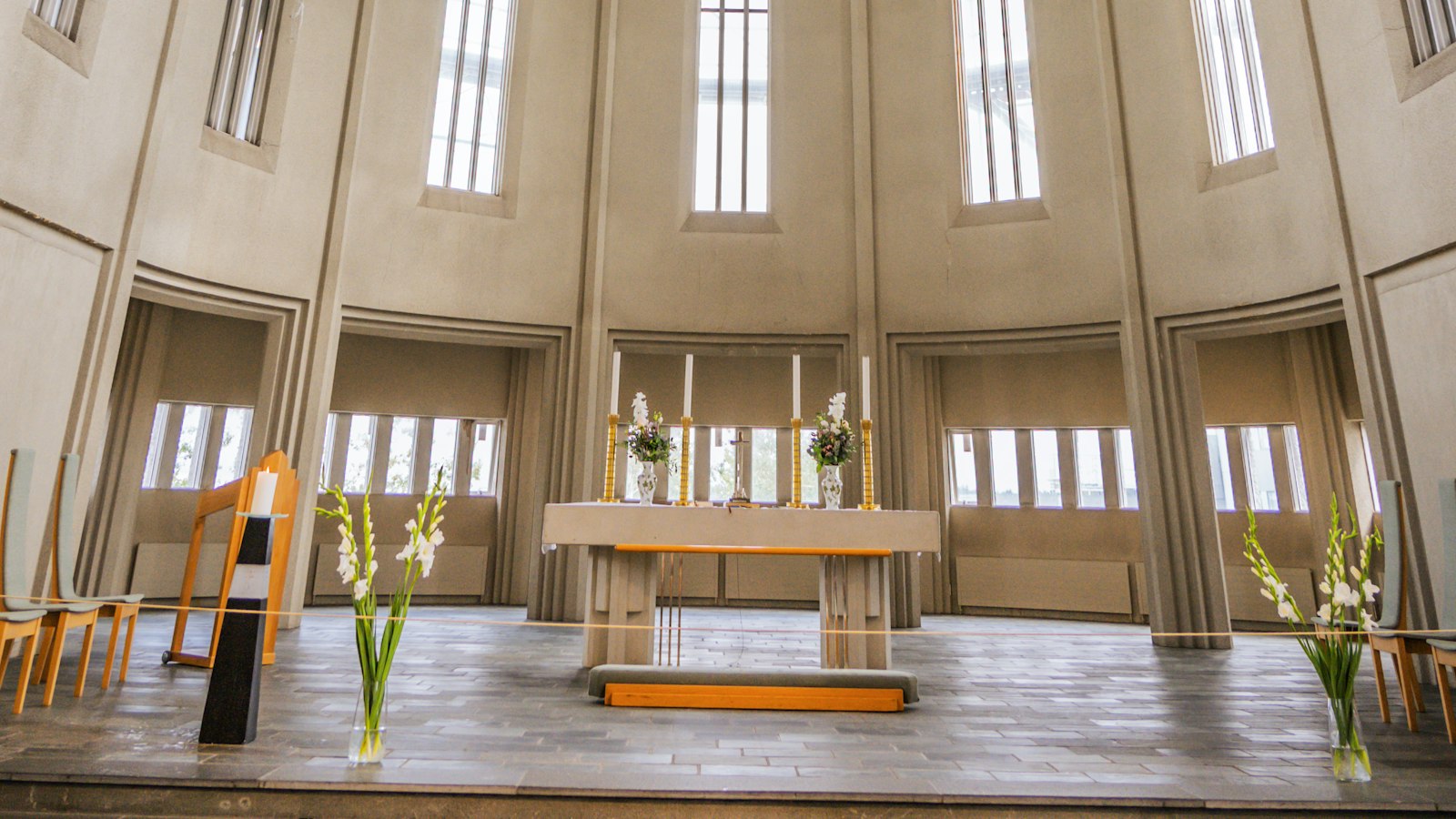
In the year 1000, Iceland officially adopted Christianity, leading to significant changes in burial culture. Christian burials aligned with continental European practices and, over time, the Evangelical Lutheran Church of Iceland became the prevailing influence. Today, most funerals are church-based, and the service is usually conducted by a priest. The coffin is commonly white-painted wood, though other types are used, and the body is prepared in line with modern standards, without embalming. Graves are traditionally marked with a wooden cross and flowers or wreaths.
Contemporary funerals and diversification
Modern Icelandic funerals maintain strong roots in Christian ritual but have evolved to reflect the country’s growing religious diversity. While the majority of Icelanders remain members of the Lutheran church, increasing numbers practice Islam, Buddhism, or revived pagan faiths. Gufunes churchyard, for example, contains separate burial plots for people of different religious backgrounds.
A typical Icelandic funeral is completed within eight days of death, due both to the absence of embalming and local law. Before burial, a tradition called “kistulagning” brings close relatives together for a wake, where they view the deceased in the coffin, sometimes with a veil covering the face. The coffin is decorated with a sheet, a pillow and flowers. Death announcements are considered an important public gesture and are commonly published in national newspapers; for many, reading the obituary pages is a daily ritual.
Cremations, historically rare, have become more common, representing nearly 42% of deaths by 2018. Cremated remains are buried in designated graveyards or, with approval, the ashes can be scattered at sea or in remote areas, although these places cannot be publicly marked. Keeping cremated remains at home is not permitted.
For those in the Icelandic Ásatrú Society, a modern pagan movement, funerals are held outdoors, demonstrating a traditional deep respect for the natural world. Led by a Gothi (spiritual leader), the ceremony includes readings from the Edda and tokens of the deceased’s interests or professions are placed in the grave. The ceremony ends with earth and symbolic objects placed on the coffin, and a celebration follows.
Photographs taken at funerals and wakes have a long tradition in Iceland, with both professionals and later family members memorialising the dead in images. In the early 1900s, it was common to see large groups accompanying the procession, demonstrating the community’s collective involvement in mourning and remembrance.


