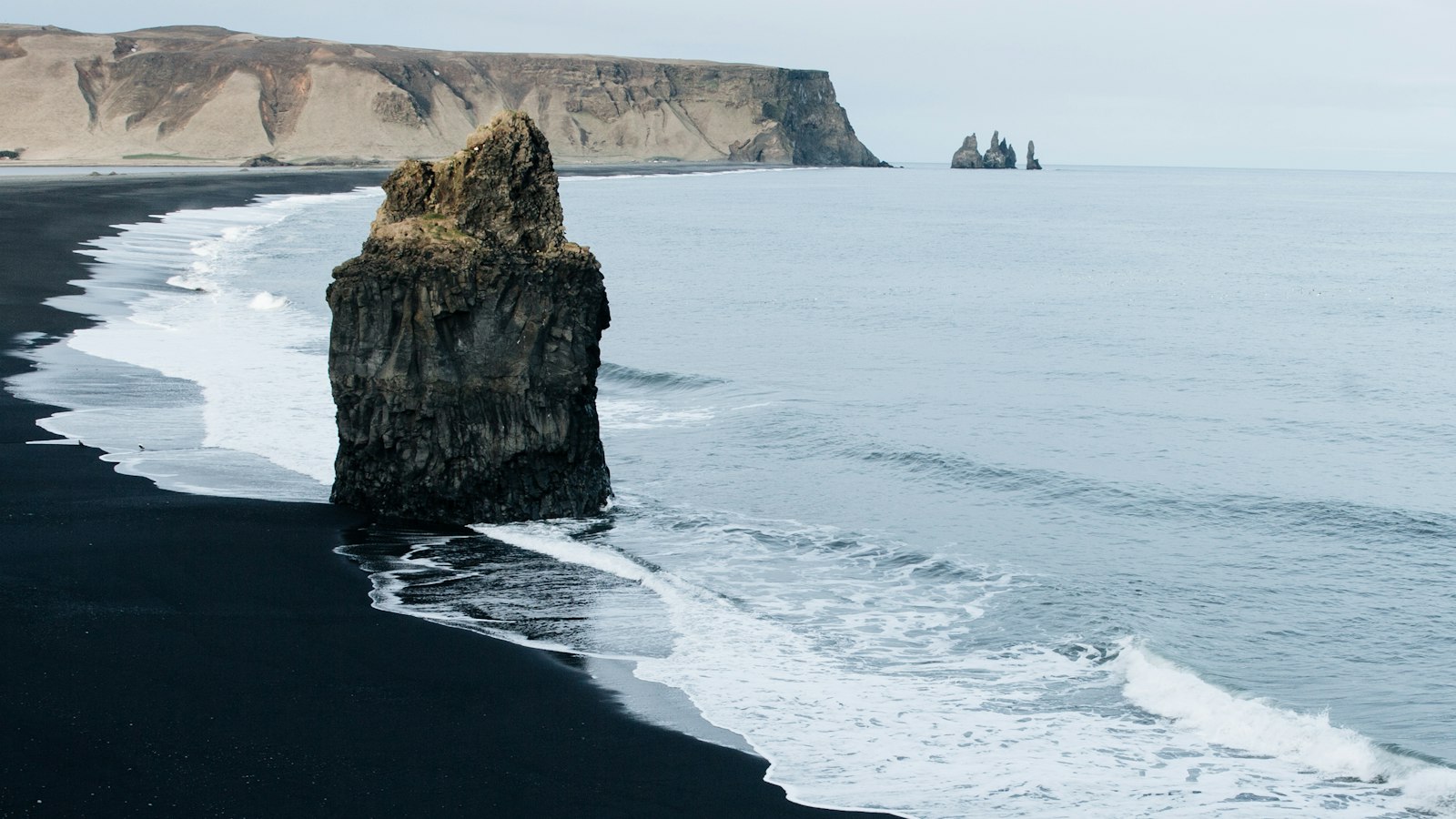
Reynisfjara, a black sand beach located on Iceland’s southern coast, stands out as one of the country’s most recognisable natural sites. Set just west of the village of Vík and around two and a half hours from Reykjavík, it draws travellers with its unusual geology and dramatic landscape.
Distinctive geology and folklore
The beach’s black sand is the result of volcanic activity in the region. Eruptions from the nearby Katla volcano sent lava flowing into the Atlantic Ocean, where it cooled rapidly and broke down into tiny fragments over time. The shore is also lined with towering basalt columns, shaped by the cooling of volcanic rock. These formations are called Reynisdrangar and are tied to Icelandic folklore, which claims they were originally trolls turned to stone by daylight while trying to recover a ship from the sea.
Visiting the beach: practical tips and safety
Reynisfjara is simple to reach for those driving Iceland’s Route 1 (the Ring Road). The beach lies off Route 215, with signage pointing the way. Its location just before Vík makes it a regular stop for people traveling between Reykjavík and Jökulsárlón glacier lagoon.
Visitor facilities at the site include a small café (Black Beach Restaurant) and public toilets. Parking is free, though finding a spot can be difficult during busy periods. Arriving early or visiting during quieter hours is recommended.
The beach is not suitable for swimming or water activities. Conditions on the shore can be hazardous due to strong waves, unpredictable tides and a history of accidents. Visitors are advised to read and follow all posted safety information, keep away from the water’s edge, and stay alert to shifting tides, especially near sea caves and columns. Keeping a close watch on children and maintaining distance from cliffs is also important, as rockfalls can occur. Checking the tide forecast for Vík before visiting is recommended.
Experience and time needed
Most people allow between 30 minutes and an hour for a visit, which is enough time for a walk along the shore and to view the surrounding rock features. The exposed beach tends to be chilly and windy, so extended stays are uncommon.