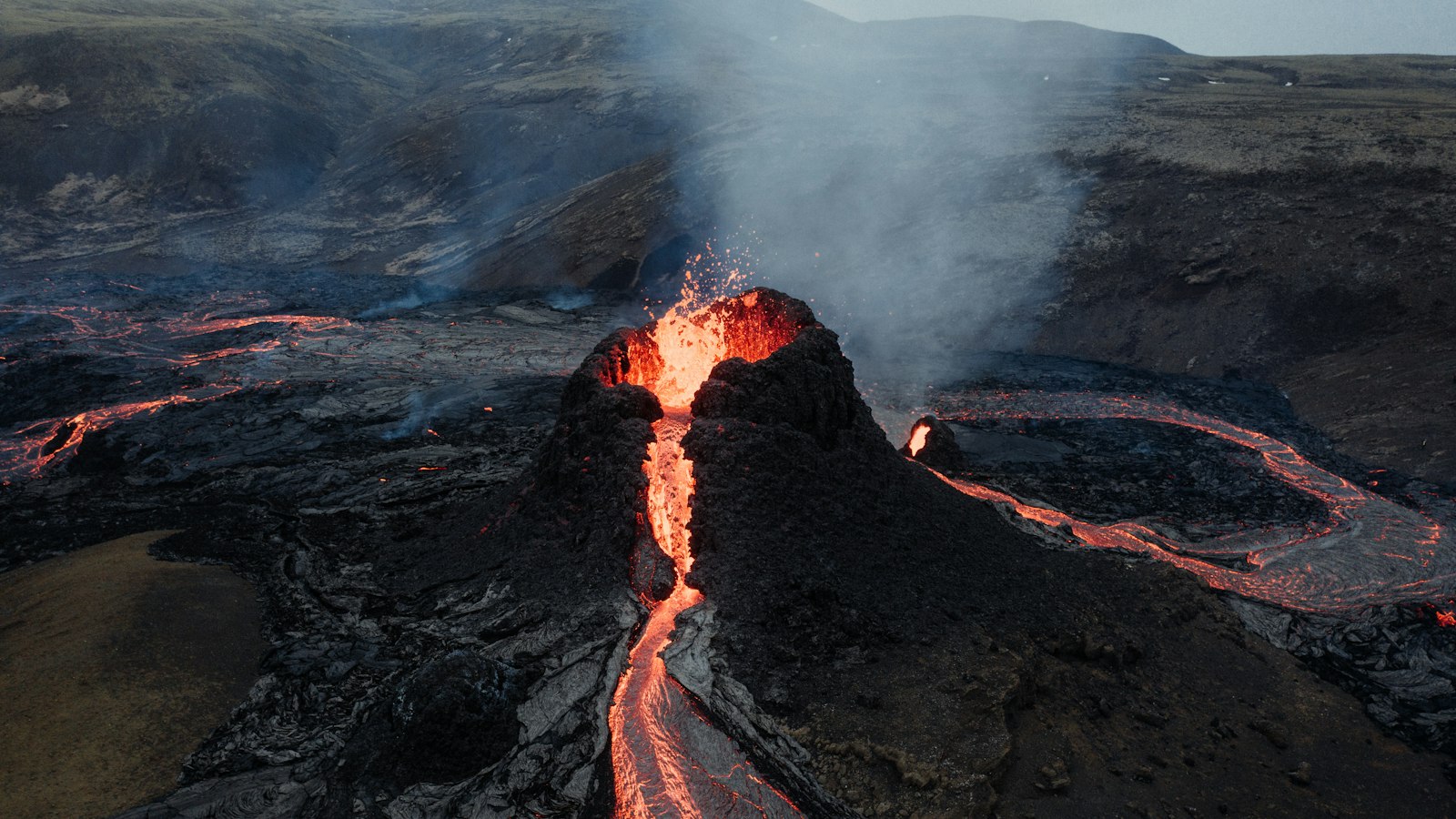
For a country increasingly accustomed to trembling ground and volcanic activity, few figures became as closely associated with earthquake science in Iceland as Ragnar Stefánsson. Over a long and influential career, Stefánsson played a central role in making Icelandic seismic research both advanced and internationally respected.
A career built on seismic vigilance
Born in 1938 in Reykjavík, Stefánsson’s early academic journey took him to Sweden, where he studied mathematics, physics, and geophysics at Uppsala University. By the mid-1960s, he had completed a doctorate focused on seismology. Shortly afterwards, he returned to Iceland and began a remarkable tenure at the Icelandic Meteorological Office. From 1966 until 2003, he led the geophysics department with a distinct focus: measuring and understanding the risks posed by earthquakes and eruptions.
Stefánsson’s dedication to monitoring Iceland’s seismic activity earned him a nickname in the local press: “Ragnar Skjálfti”, which means Ragnar the Earthquake. This role was not just ceremonial, he was responsible for overseeing the development and implementation of systems that now allow for earlier detection and warning of geological hazards. From 1980 onward, he led initiatives to improve both scientific understanding and public safety in a landscape shaped by the forces beneath the earth.
Bridging research and public concern
Beyond his national influence, Stefánsson coordinated four international research projects between 1988 and 2006, helping to place Iceland at the forefront of earthquake prediction research. His expertise was widely recognised in scientific articles and books, including the comprehensive “Advances in Earthquake Prediction” published in 2011, which distilled decades of work on forecasting and risk reduction.
Stefánsson’s writing did not stop at academic circles. He authored a memoir, “Það skelfur”, sharing his unique perspective on living and working amidst the geological restlessness of Iceland. His final major book, “Hvenær kemur sá stóri?”, explored both the art and the uncertainty of earthquake prediction, a subject of constant relevance for inhabitants of this volcanic island.
Teaching remained another pillar of Stefánsson’s professional life. He held positions at the University of Akureyri, where he was eventually named professor emeritus. Stefánsson also engaged in community life, championing local issues and helping to found and lead civic organizations in the north of Iceland after relocating there in 2001.
Stefánsson’s legacy lies largely in the systems, knowledge, and confident vigilance he fostered, helping Icelanders better understand and prepare for the unpredictable moments when the earth itself becomes news.
Sources
- Wikipedia
- Wikipedia (Icelandic) in Icelandic


