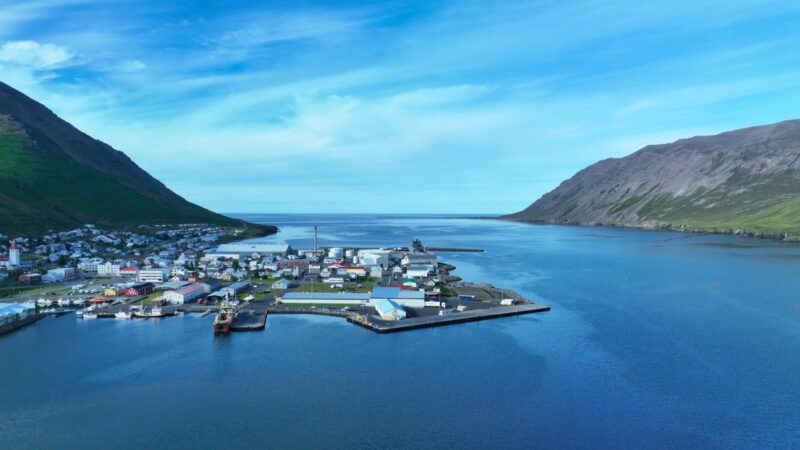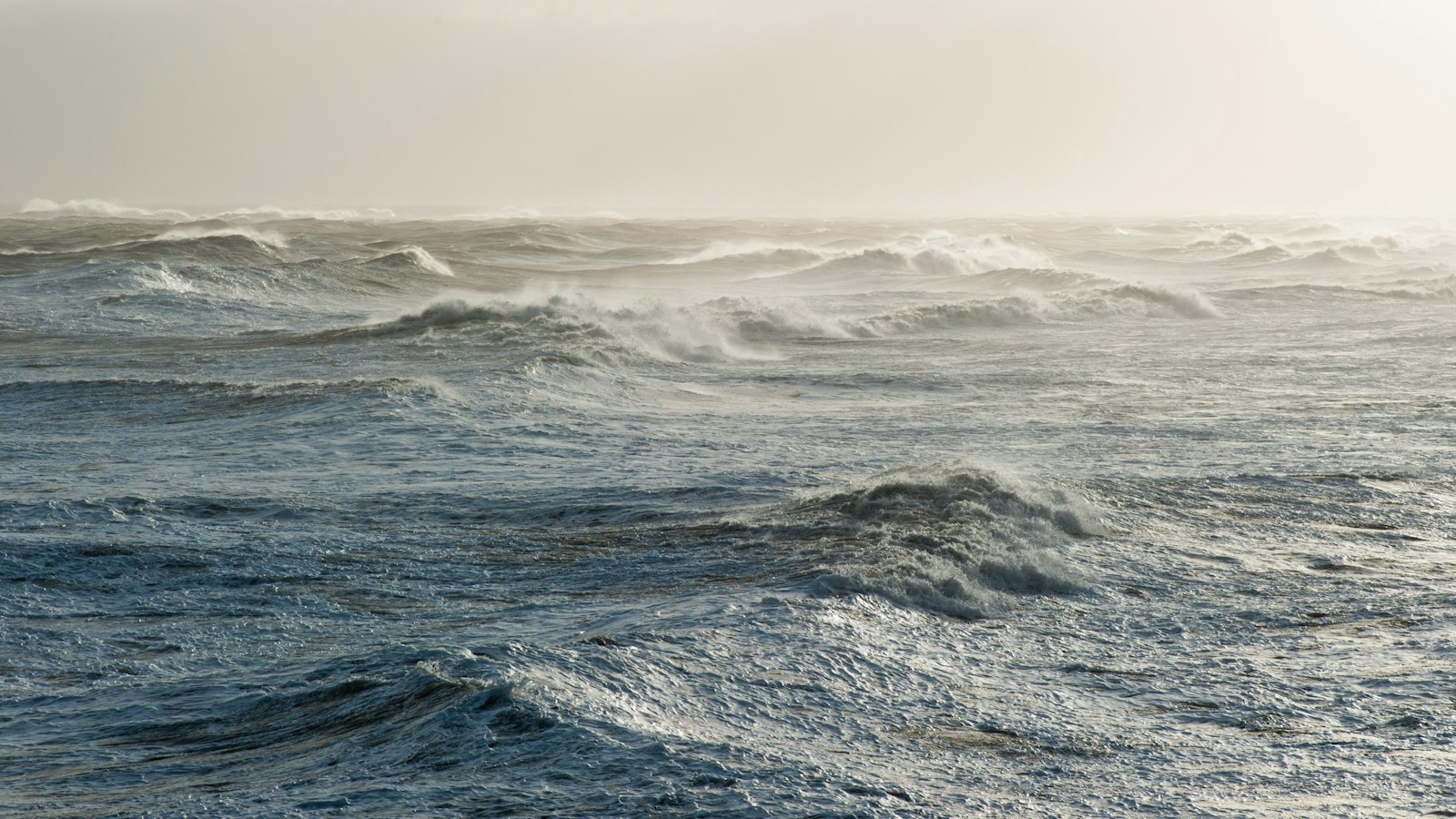
Just north of Iceland lies a sea shaped by invisible boundaries deep below the surface. The Iceland Sea, a relatively small expanse, now recognised as a distinct region, sits in one of the world’s most complex oceanic neighbourhoods. Here, Arctic waters meet those of the Atlantic, and the resulting mix has long fascinated scientists exploring the links between geology, climate and ocean life.
Geographical crossroads beneath turbulent waters
The Iceland Sea’s limits are defined by a patchwork of ridges, straits and continental shelves. To the west, Greenland’s coast and the Denmark Strait provide a frozen boundary, while the south is edged by the continental shelf near Iceland itself. Jan Mayen, a volcanic Norwegian island, marks the northern edge, separated by fracture zones and underwater ridges that split the Iceland Sea from both the Greenland and Norwegian Seas. The Kolbeinsey Ridge, a northern stretch of the Mid-Atlantic Ridge, slices across the centre, raising parts of the sea floor to just 500 metres, remarkably shallow compared to the surrounding Nordic waters, where depths often fall between 1000 and 2000 metres.
Changes in ocean mapping reflect the sea’s unique character. The International Hydrographic Organization in 1953 grouped this entire region under the Greenland Sea. By 2002, however, the Iceland Sea had its own designation, recognising its distinctive hydrography and ecology.
Meeting point of waters and habitats
The region is where two major water masses merge. Warm, salty waters branch off from the Irminger Current and move in from the south and east, with temperatures shifting from 6 to 11˚C as the seasons change. Meanwhile, cold, fresher water streams south from the Arctic Ocean, carried along the East Greenland Current. Where they converge, especially near the north and northwest of Iceland, sharp oceanic fronts develop, influencing everything from plankton blooms to fish migrations.
This layered environment gives rise to rich and varied marine life. Spring diatoms, microscopic algae of the genus Thalassiosira and Chaetoceros, blossom in large numbers. Later, dinoflagellates like Ceratium and Protoperidinium follow. Zooplankton communities are particularly dense, dominated by copepods such as Calanus finmarchicus, which can make up as much as 80% of the group. Fish species thrive here, including cod, haddock, redfish, herring and Greenland halibut, as well as invertebrates like Iceland scallops and northern shrimp.
Further up the food web, the Iceland Sea is home to an array of cetacean and pinniped species, eighteen kinds of whales, dolphins and porpoises, along with seven different seals and walruses. These include the blue whale, humpback, minke whale, harbour and grey seals.
Changing seas under a warming climate
In recent decades, shifts in water chemistry and temperature have changed life in the Iceland Sea. Ocean acidification is progressing more quickly here than the global average, endangering shell-building species and the habitats they create. As waters grow warmer, fish like capelin and mackerel are found farther north, and southern benthic species such as haddock and monkfish now appear in areas once too cold. Bird and seal numbers have also declined, with some whales adjusting their ranges in response to these new conditions.
Sources
- Wikipedia
- Wikipedia (Icelandic) in Icelandic