West of the coastal town of Grindavík, two tall radio towers dominate the otherwise sparse landscape. These are not typical radio masts; they belong to the Naval Radio Transmitter Facility Grindavik (NRTF Grindavik), a US Navy transmission site with a purpose tied directly to international military communication in the North Atlantic.
Engineering ambition in the lava fields
When first constructed, the facility’s west tower soared to 243.8 metres (800 feet) while its partner to the east reached 182.9 metres (600 feet), making them the tallest structures Iceland had ever seen. In 1983, the east tower was rebuilt at its original height, while further developments saw the west tower replaced with an even taller 304.8 metre (1,000 foot) guyed mast. Today, this mast stands as the second highest structure in Iceland, outdone only by the radio mast at Hellissandur.
The core function of the Grindavík facility has always been to transmit on very low frequencies, vital for communicating with submarines submerged deep in the North Atlantic. Operating under the callsign TFK, transmissions on 37.5 kHz make up the backbone of its operations. The complexity of handling such low-frequency signals was highlighted in the late 1970s when engineers pushed the technology to new limits. After a series of dramatic coil failures caused by unexpectedly high voltages, a temporary hand-crafted coil made from walnut wood and copper wire was constructed by on-site staff and local leadership, enabling the system to function until a permanent solution arrived.
Over time, facility upgrades brought not just taller masts but new designs for associated buildings. Donald W. Anderson, a professional engineer with the US Naval Facilities Engineering Command, oversaw key improvements, including enhanced radio frequency copper shielding for the helix house. These innovations played a part in the facility accepting industry and military awards, including the 1999 Outstanding Transmission Facility Award from the Defense Information Systems Agency.
Strategic ground in uncertain times
The Grindavík installation is operated by the N62 Division, which manages antenna maintenance, both longwave and shortwave transmission equipment, and broadcast processing systems. It remains one of the few places in Iceland still under direct US usage, part of a 1951 defence agreement that otherwise saw other military locations returned to Icelandic control after 2006.
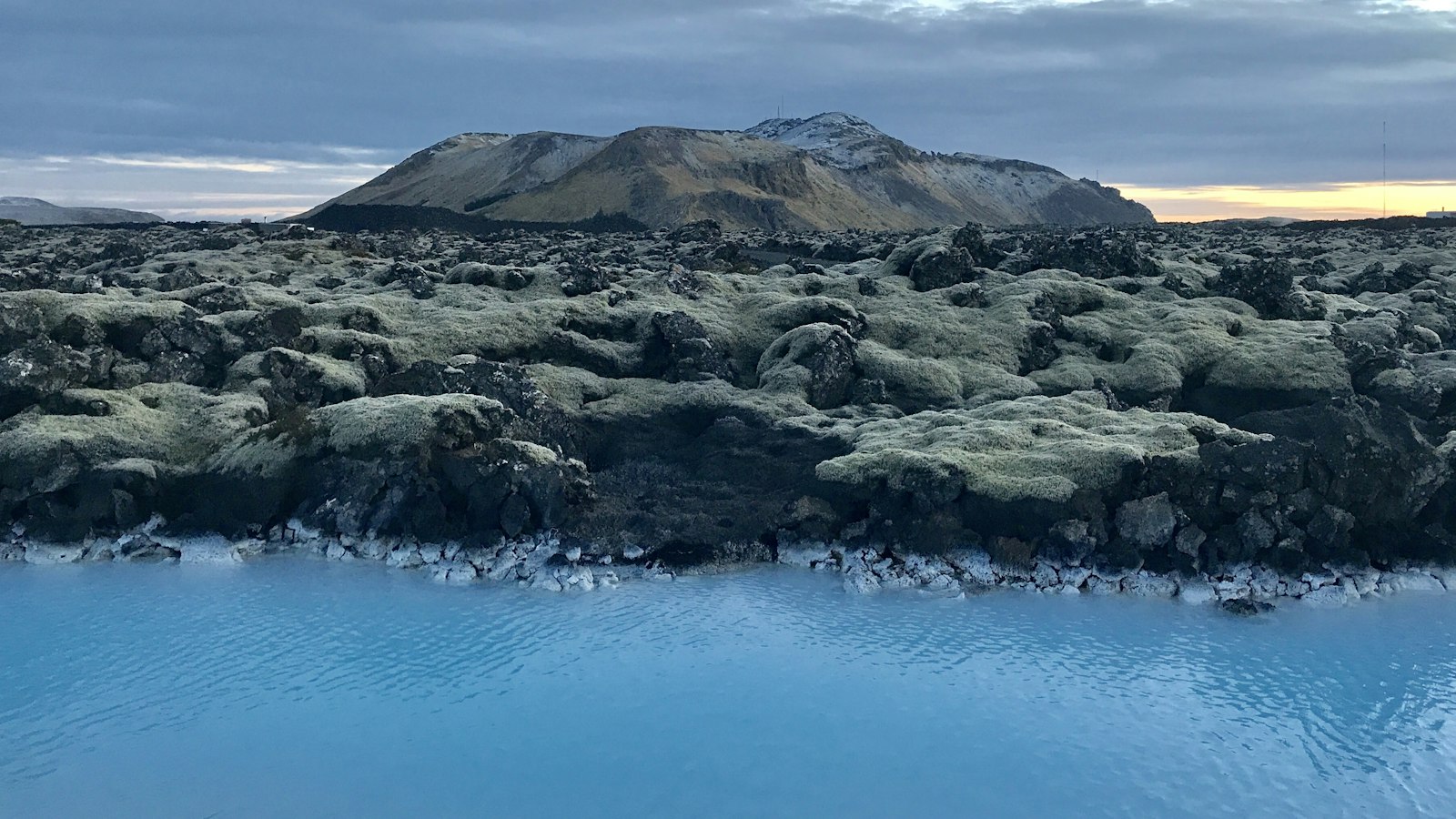
Beyond daily operations, the radio station’s setting reveals the region’s unpredictable geology. During a series of eruptions in 2023–2024, lava flows crossed the designated defence area, destroying supporting guy wires on the shorter mast. In response, protective barriers were built on site to shield critical infrastructure from future volcanic activity.
Throughout its history, NRTF Grindavik has adapted not only to advances in communication technology but also the shifting forces of the earth itself, maintaining a quiet but vital role in transatlantic military networks.
Sources
- Wikipedia
- Wikipedia (Icelandic) in Icelandic


