Since its publication in 1989, “The Control of Nature” by John McPhee has provided readers a careful look at how people attempt to manage natural forces far larger than themselves. The work highlights three case studies in different parts of the world, each showing communities confronting floods, lava, and debris flows. Through a meticulous approach, McPhee reveals the ambitions, anxieties, and ingenuity involved when humans pit their efforts against powerful natural events.
Stories of defiance and adaptation
One section of the book follows efforts to influence the course of the Mississippi River in the United States. The Atchafalaya River, with its steeper and more direct route, has always threatened to capture the flow of the Mississippi. For decades, the US Army Corps of Engineers has worked at the Old River Control Structure to maintain the current division: 30 percent of the Mississippi’s water drains through the Atchafalaya. This intervention is vital, as a shift in the river’s path would have catastrophic effects, threatening communities like Morgan City, Louisiana with the potential for flooding from immense volumes of water.
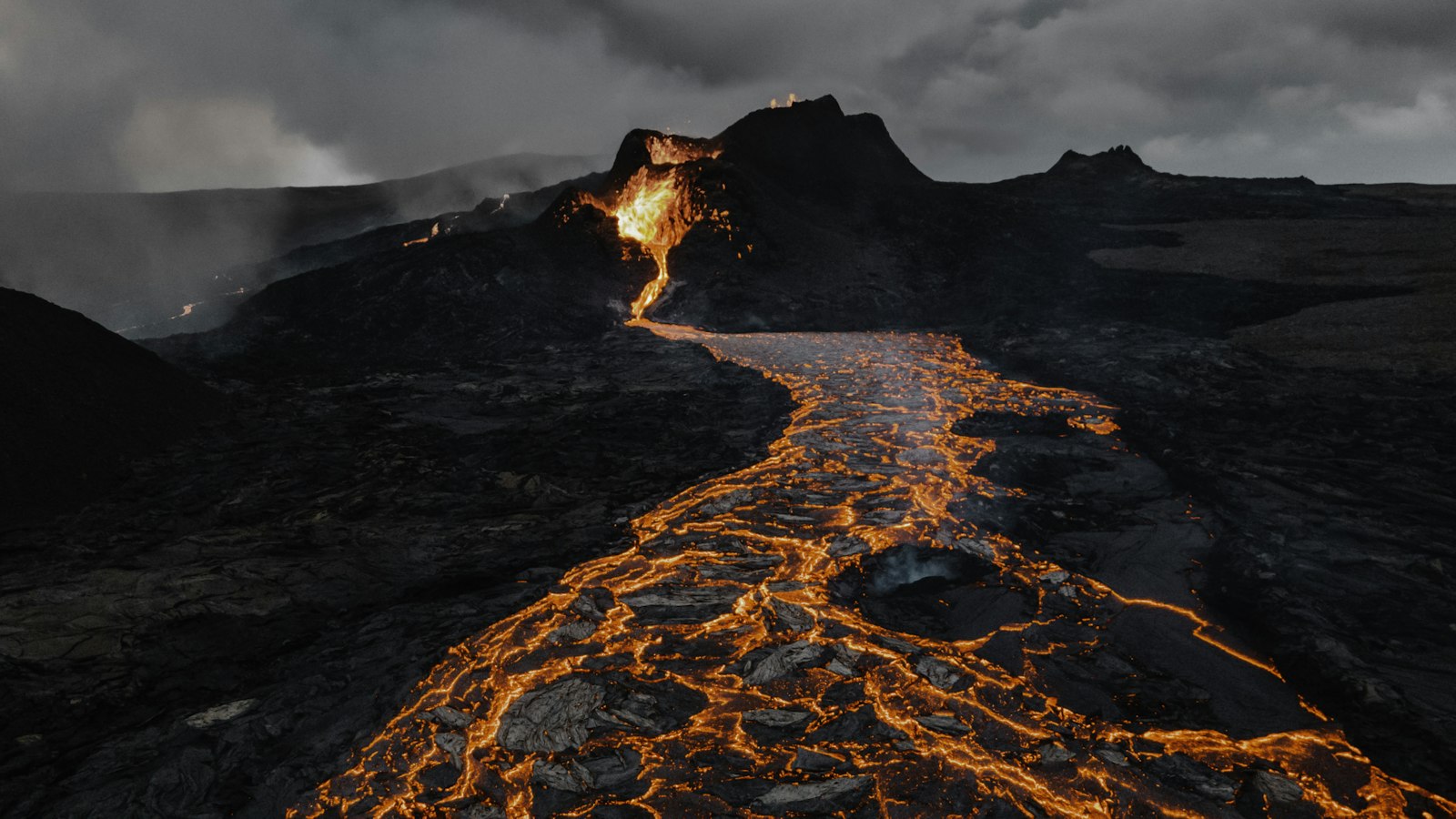
The book’s Icelandic chapter, originally published in The New Yorker as “Cooling the Lava”, focuses on the 1973 Eldfell eruption on the island of Heimaey. Here, the struggle against nature came in the form of volcanic lava threatening to destroy the local harbour, a lifeline for the community. Engineers and residents worked to slow the lava’s approach by spraying seawater onto the advancing flow, hoping to save what they could. McPhee’s reporting brings out the tension between respect for natural phenomena and the necessity of acting decisively, even when success is far from guaranteed.
Reflections on humankind’s limits
Reviewers have respected McPhee’s ability to make complex topics accessible. Critics noted his vivid depiction of ordinary people navigating extraordinary circumstances. The descriptions of scientific concepts and engineering efforts are woven with the everyday reality faced by those living at the borders of land and sea, mountain and town.
Despite the ingenuity shown in these efforts, McPhee maintains a sense of humility about human agency. While the title came from a sign at the University of Wyoming, the book itself resists calling these projects successes or failures. Instead, it documents an ongoing dialogue between nature’s power and human needs. McPhee wrote that he does not see the work as taking sides: it is a depiction of people who, out of necessity, attempt to direct or delay natural processes. Reviewers have remarked that the true value of McPhee’s book may be its reminder that living alongside nature requires not just control, but also recognition of its supremacy.


