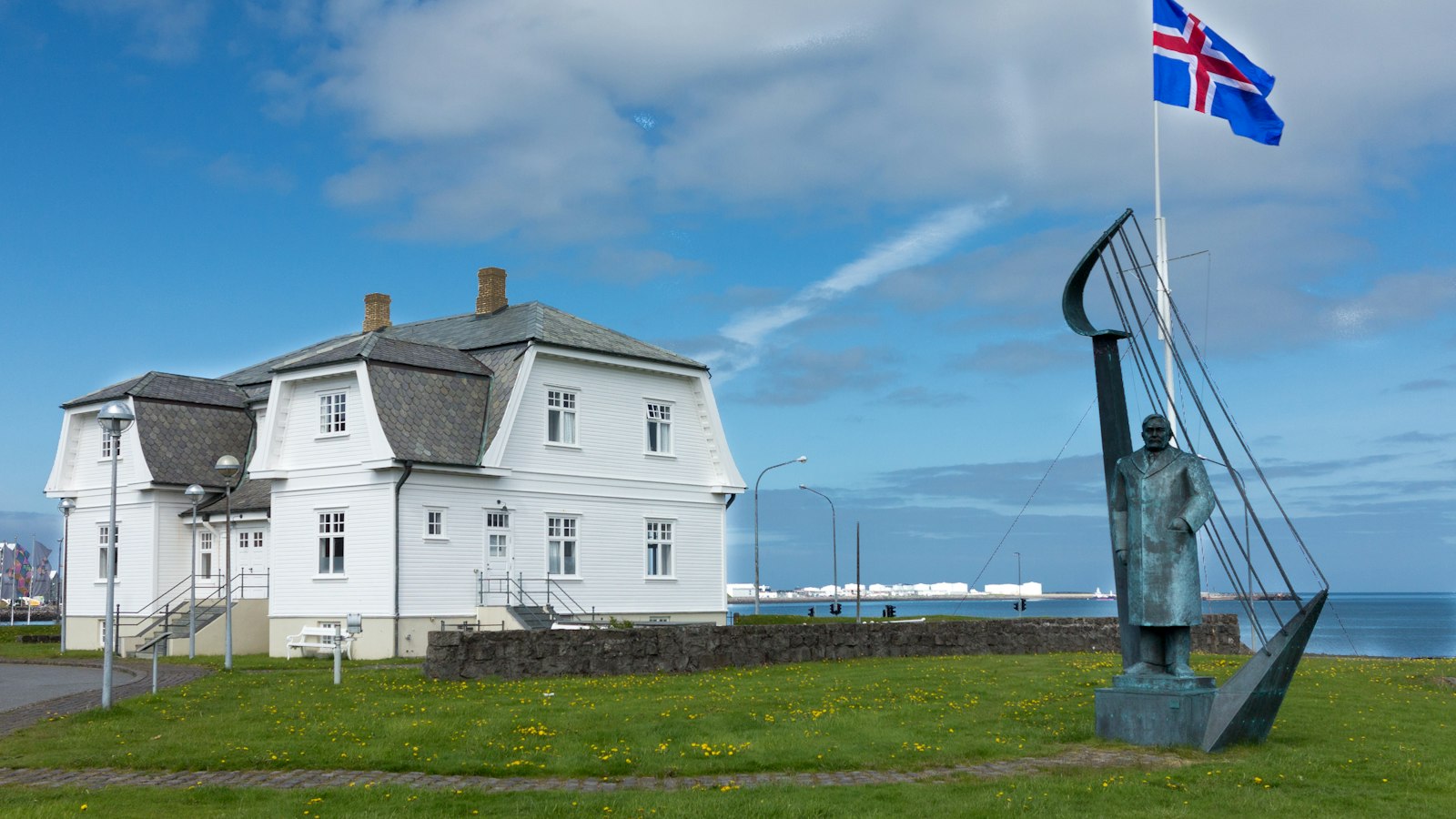
Iceland and the United States have developed a unique relationship, forged by both geography and history. Their connection dates back long before Iceland emerged as an independent country, and over time, the partnership has evolved into one rooted in mutual interests and global cooperation.
A strategic alliance shaped by war and peace
Diplomatic steps began as early as 1868, when U.S. Secretary of State William H. Seward produced a report on possibly buying Iceland from Denmark. This formal curiosity hinted at the future strategic significance Iceland would hold. That importance became especially clear during the Second World War. After Denmark fell to Nazi occupation, British and Canadian forces moved to secure Iceland’s vital location in the North Atlantic. The United States military joined them even before America’s entry into the war, aiming to prevent Nazi Germany from using Iceland as a launch point that could threaten North America.
Iceland declared itself independent from Denmark in June 1944, ending its union with the Danish crown. The United States was the first to recognise Iceland’s new status as a sovereign nation. Afterward, their defence partnership was formalised: Iceland joined the North Atlantic Treaty Organization (NATO), though it maintained no standing military of its own.
A major step came in 1951 with a bilateral defence agreement that gave U.S. forces the right to base in Iceland and made the country’s defence a joint responsibility under NATO. The U.S. presence became a fixture, particularly through Naval Air Station Keflavik. In 2006, the permanent U.S. military presence ended, and the base closed, but the defence agreement still exists. Since then, the two countries have continued joint search and rescue operations, disaster surveillance, maritime training, and periodic U.S. deployments to support NATO’s surveillance in Icelandic airspace.
Shared values, economic links and diplomacy
Both societies are committed to democratic principles and individual rights, guiding cooperation beyond military concerns. The United States and Iceland belong to international organisations such as the United Nations, Arctic Council, International Monetary Fund and the World Trade Organization. The two countries work together on issues from law enforcement to arms control and countering illicit trafficking.
Economic ties have also grown. The United States is among the largest foreign investors in Iceland, especially in the aluminium industry. In 2008, a Trade and Investment Framework Agreement was signed to further bilateral business.
Notable visits have marked the relationship. Only two American presidents have visited Iceland: Richard Nixon in 1973 and Ronald Reagan in 1986. Reagan’s Reykjavík Summit with Soviet leader Mikhail Gorbachev nearly achieved agreement on the abolition of nuclear weapons and helped thaw the Cold War. Icelandic leaders have also visited the United States, deepening political and economic dialogue.
Both countries maintain embassies in each other’s capitals; Iceland’s additional presence includes a consulate-general in New York City. This continued diplomatic engagement reflects an alliance that is both practical and built on shared perspectives, linking the two nations across the Atlantic.


