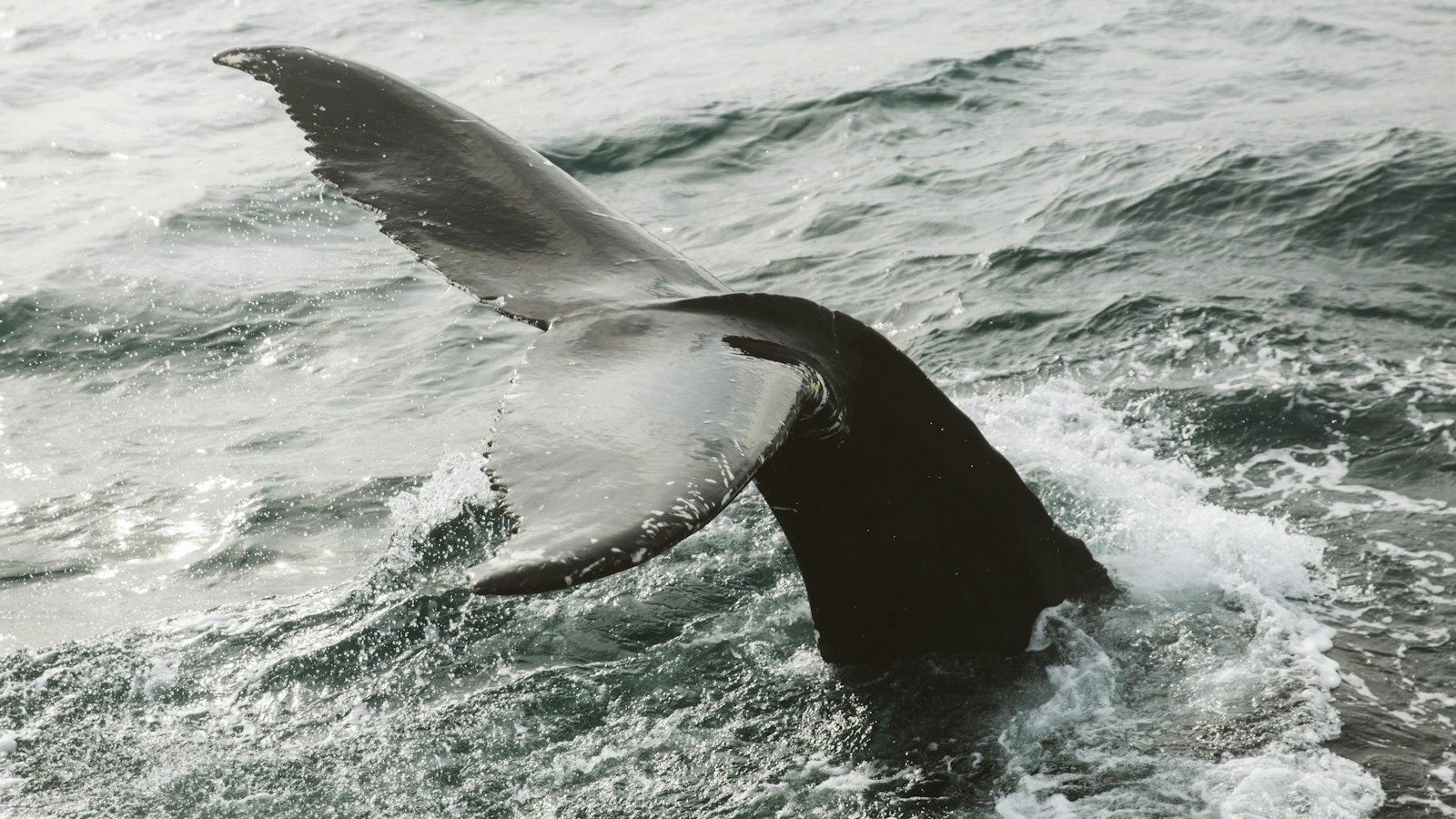
Few Icelandic companies are as deeply woven into the country’s modern history as Hvalur hf., a business that took its name from the Icelandic word for “whale.” First emerging in the immediate postwar years, the company has both mirrored and influenced shifts in Iceland’s society, economy and relationship with nature.
Origins along Whale Fjord
Hvalur hf. traces its beginnings to 1947, when Loftur Bjarnason and Vilhjálmur Árnason started it as a whaling enterprise. Soon after, the company acquired an old American naval base at Hvalfjörður, or Whale Fjord, north of Reykjavík. What had once housed troops was refitted as a whaling station, setting the stage for a new chapter in Icelandic maritime enterprise.
The first years saw Norwegian experts visiting Iceland to train new whalers, passing on skills to a generation for whom whale hunting would become both a livelihood and a source of national debate.
Whaling ships and changing fortunes
The company’s fleet eventually included vessels named Hvalur 1 through 9. While early ships like Hvalur 1 entered service in 1949, others would find new lives elsewhere: two of the older ships had their steam engines repurposed for a herring factory in Seyðisfjörður, on Iceland’s east coast, while Hvalur 5 ended up in the Faroe Islands and later, in a museum in Bremerhaven, Germany.
Currently, two vessels, Hvalur 8 and Hvalur 9, remain in operational use as of 2022. Two more, Hvalur 6 and 7, have not returned to action after incidents in 1986 and remain stored.
From harpoons to high finance
Over the decades, Hvalur hf. expanded far beyond whaling. Under the stewardship of Kristján Loftsson and Árni Vilhjálmsson, sons of the original founders, the company turned into one of Iceland’s leading investment corporations. Its holdings have included significant shares in major Icelandic firms such as Arion Bank, as well as companies like Marel, Origo hf., and Brim hf.
Debate and restrictions in the 21st century
Whaling operations by Hvalur hf. have faced growing scrutiny. In June 2023, the company’s activity paused after the Icelandic Minister of Fisheries, Svandís Svavarsdóttir, cited animal welfare concerns. Whaling was stopped for over two months before restarting in September under tightened regulations.
For many, Hvalur hf. represents the tensions within Iceland between the traditions of a small island nation and the evolving standards of international commerce and conservation. The company’s story offers a window into how Icelandic businesses adapt over time, and serves as a reminder of the sea’s enduring influence on the island’s economy and debates.


