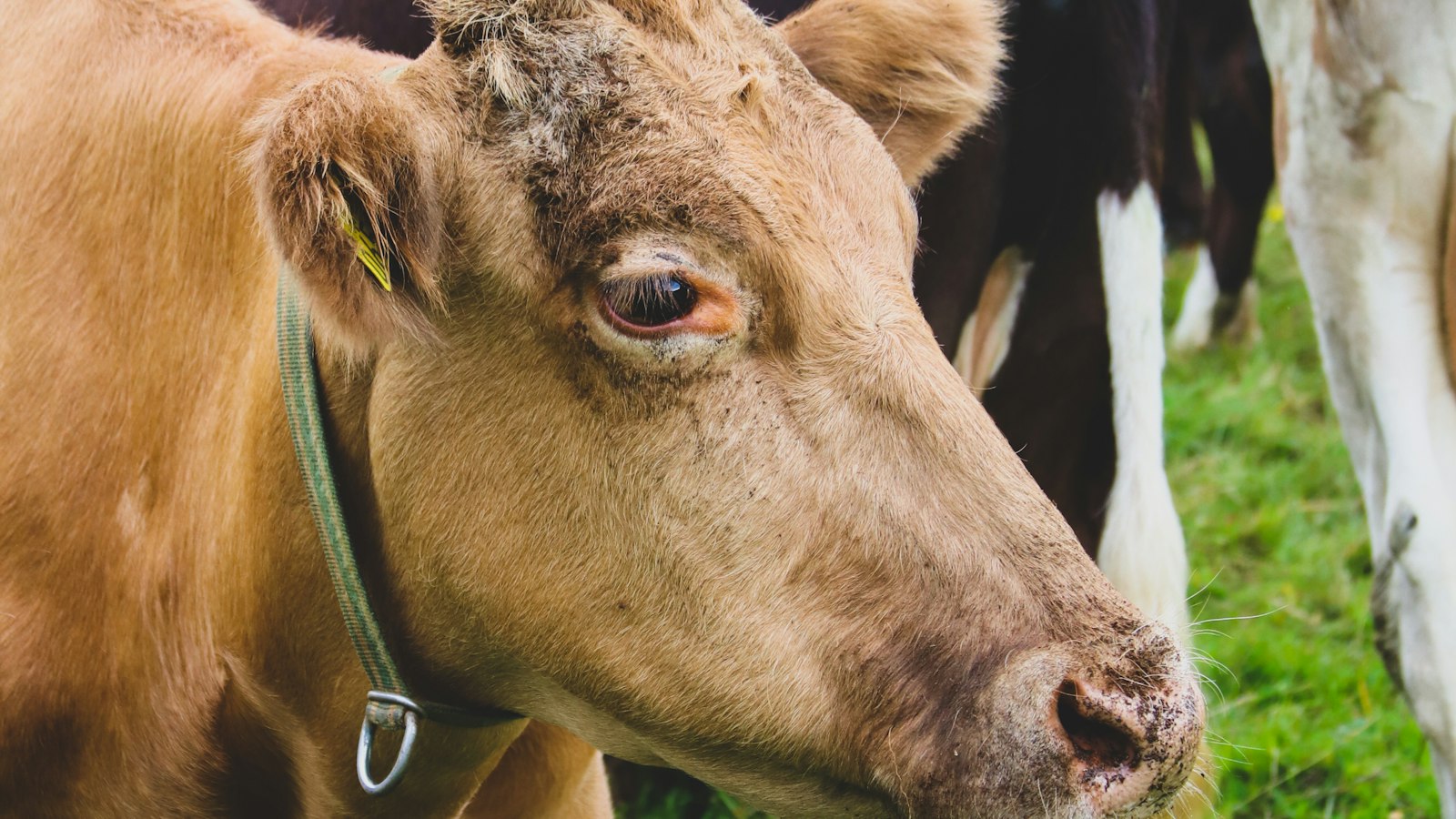
In the windswept fields of Iceland, cattle graze much as their ancestors did when they first arrived with settlers more than a thousand years ago. The native Icelandic breed, known in Icelandic as íslenskur nautgripur, is among the nation’s oldest domesticated animals, and their story is entwined with the history and culture of the island itself.
A heritage isolated by geography and law
Cattle in Iceland have developed in genetic isolation since their introduction in the age of settlement. Borders have stayed tightly closed: importing cattle, embryos, eggs or even semen from abroad is strictly forbidden or heavily regulated. This isolation has kept the Icelandic breed remarkably pure, making it unique among cattle worldwide. The Icelandic breed is most closely related to the Blacksided Trønder and Nordland cattle from Norway, but centuries of solitude have shaped their distinct traits.
One of the most immediately striking features of Icelandic cows is their colourful variety. Far from the uniformity seen in many modern European cattle breeds, these animals display wide ranges of colourings and patterns. Most are naturally polled, meaning they lack horns, but a small share still carry this ancestral mark.
Dairy traditions and daily life
The Icelandic cow is primarily a dairy breed with a smaller frame. On average, each cow produces about 6,000 kilograms of milk each year, with some exceptional animals reaching 11,000 kilograms. For around eight months annually, life for these cattle is spent indoors, relying on hay and cereal-based fodder. In the sunnier months, however, they graze on open pasture, taking advantage of the season’s brief burst of growth. Fields of cabbage, turnips, barley, and oats are cultivated to extend the feeding season and support milk production.
Cows are a central part of rural Icelandic life, yet their numbers remain modest, fewer than 80,000 are found in the country. Of these, only a portion are dedicated dairy cows. The milk they provide is the base for several Icelandic foods, including a mild, butter-like cheese and, most famously, skyr, a cultured dairy product enjoyed across the country.
Scientific analysis reveals that the milk of Icelandic cows contains a distinct protein composition compared to central European breeds. This difference influences its properties for cheesemaking and contributes to the unique taste of Icelandic dairy products.
Part of the national fabric
Throughout history, the Icelandic cow has been considered more than a source of milk or meat. There have even been lively debates about replacing the breed with more productive foreign cattle, driven by economic studies like those from the Agricultural University of Iceland. Yet there is strong sentiment, both cultural and political, that the breed should remain, valued as a living link to Iceland’s past. For some, this connection runs deep; Guðni Ágústsson, a past minister of agriculture, once famously expressed his appreciation by kissing an Icelandic cow.
Sources
- Wikipedia
- Wikipedia (Icelandic) in Icelandic


