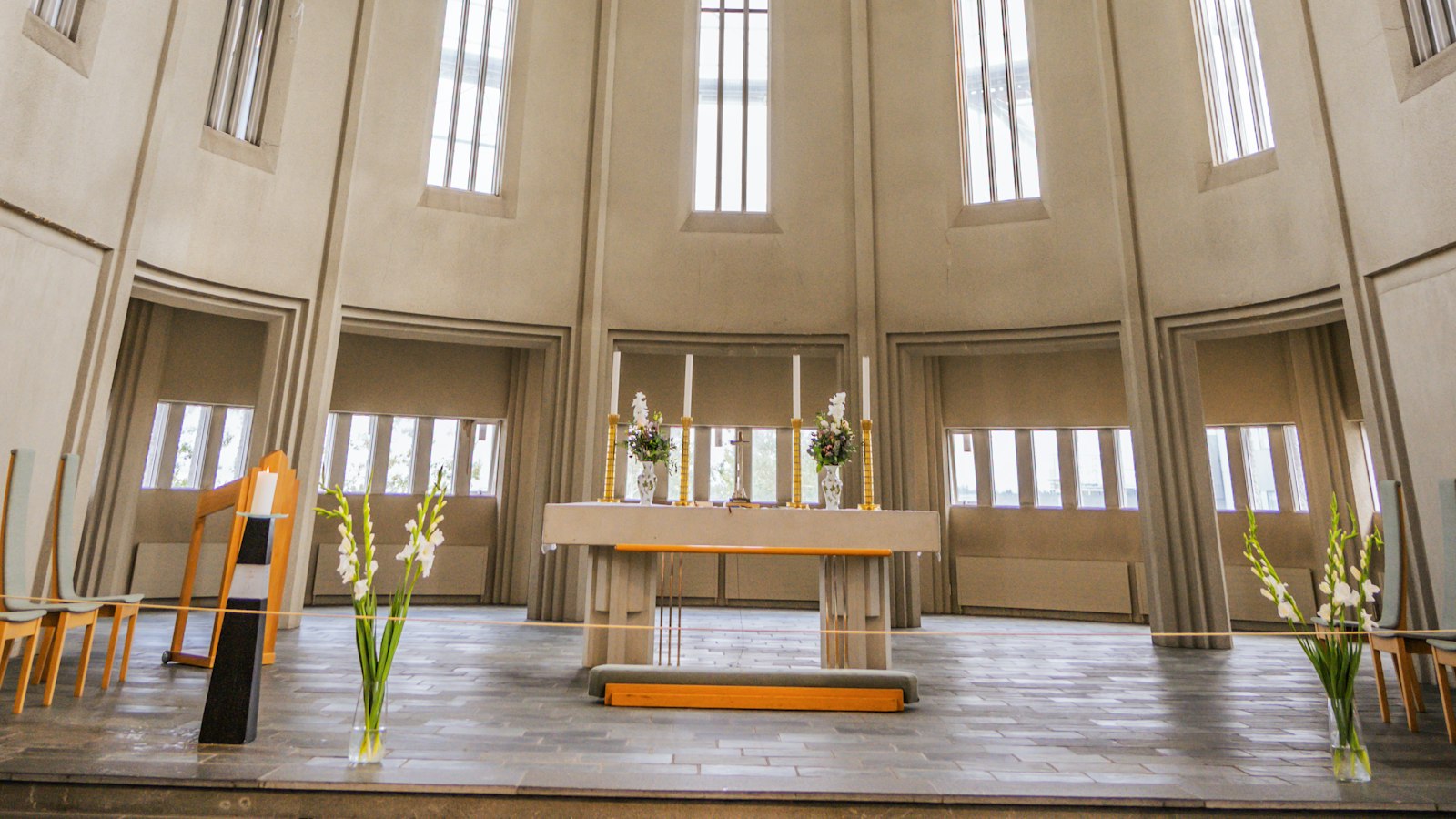
The saga of translating the Bible into Icelandic offers a unique window into the country’s religious and linguistic evolution. When Iceland adopted Christianity around the year 1000, Icelanders faced the challenge of understanding unfamiliar rituals and teachings. The earliest attempts at translation took the form of “þýðingar helgar” (sacred translations): a mix of biblical passages, sermons and commentaries written in Old Norse and Old Icelandic to guide the newly converted.
The oldest known biblical texts in Icelandic date to roughly 1200, found in the Old Icelandic Homily Book, which features sermons, prayers and lessons. Systematic efforts to translate larger sections followed in the 13th century and were collected around 1350 into Stjórn, a compilation of excerpts and retellings. While it is possible that the entire Bible was available in Icelandic by the late Middle Ages, surviving evidence only documents these early fragments and partial collections.
For centuries, the Latin Vulgate, the Catholic Church’s version, was the standard Bible for Icelandic Christians. Bishop Jón Arason is credited with translating the four gospels into Icelandic by the early 1500s, but no copies of his work have survived.
Reformation brings a full Icelandic Bible
The need for a complete translation became urgent with the Reformation in the mid-16th century. Protestant reformers advocated for scripture in the vernacular. Oddur Gottskálksson took the first major step, translating the New Testament directly from the Latin Vulgate while cross-referencing Martin Luther’s German edition. His New Testament was published in Roskilde in 1540.
The first full Icelandic Bible appeared in 1584 under Bishop Guðbrandur Þorláksson at Hólar. This “Guðbrandsbiblía” relied on Luther’s German translation and a Danish edition by King Christian III for the Old Testament. Oddur’s New Testament was included with revisions, while other parts of the Old Testament were attributed to various translators including Gissur Einarsson.
Subsequent centuries saw new revisions and versions. Notable examples include the Þorláksbiblía of 1644 and the Waysenhússbiblía printed in Copenhagen in 1747. The Grútarbiblía, produced in 1813 by the British Bible Society, reflects increasing international involvement. This period also saw the founding of the Icelandic Bible Society in 1815, which became a central institution for overseeing Bible publication in the country.
Modern translations and continued revision
Throughout the 19th and 20th centuries, translation work drew upon original Greek and Hebrew texts as well as contemporary European versions. The Viðeyjarbiblía was published in 1841 and underwent revision by Icelandic scholars who analysed a broad range of earlier translations. Oxford and London printing presses contributed to Icelandic editions, highlighting the role of international partnerships.
By 2007, a total of 11 full versions of the Bible had been produced in Icelandic, with each new version revising the text to reflect current understanding and linguistic usage. The most recent complete translation, by Guðrún Guðlaugsdóttir, continues this tradition. The Icelandic Bible Society, founded in 1815, remains active in producing and distributing new editions. These Bibles are not only religious texts but touchstones of Iceland’s language and identity, reflecting generations of translators’ efforts to balance faith, language and cultural change.
Sources
- Wikipedia
- Wikipedia (Icelandic) in Icelandic


