Passengers travelling between Ísafjörður in northwest Iceland and Reykjavík will see a reduction in state subsidies for air fares over the next 11 days. The change follows new rules announced by the Ministry of Infrastructure. According to reporting from Vísir and other outlets, the state reimbursement per flight route has been set at 7,000 ISK, leading to an average decrease of 11.2% in subsidies for this period, as detailed on Icelandair’s website.
Eyjólfur Ármannsson, the Minister of Infrastructure, introduced the changes to the Loftbrú (air bridge) programme, which aims to support affordable air travel between Iceland’s regions. The new rules apply immediately and, according to Bæjarins besta, set the reimbursement at 7,000 ISK per route but do not clarify whether this will continue after the current 11-day period.
The decision has drawn criticism from Lilja Rafney Magnúsdóttir, an MP for the People’s Party, who argues that the reduction makes little difference for rural travellers. She noted that an air ticket from Ísafjörður to Reykjavík can cost as much as 49,000 ISK, making the subsidy almost negligible for many in remote areas. “This is unacceptable,” she wrote, according to DV and Miðjan.
Icelandair, Iceland’s largest airline, operates the domestic Ísafjörður–Reykjavík route. Executives at the airline said recently that extensive operational changes are already generating benefits equivalent to almost 20 billion ISK annually, and that the carrier’s underlying performance is stronger than published financial figures suggest, Vísir reports.
Sources
Links: sudavik.is · snerpa.is
- Vísir (first reported) in Icelandic
- Bæjarins besta in Icelandic
- Miðjan in Icelandic
- DV in Icelandic
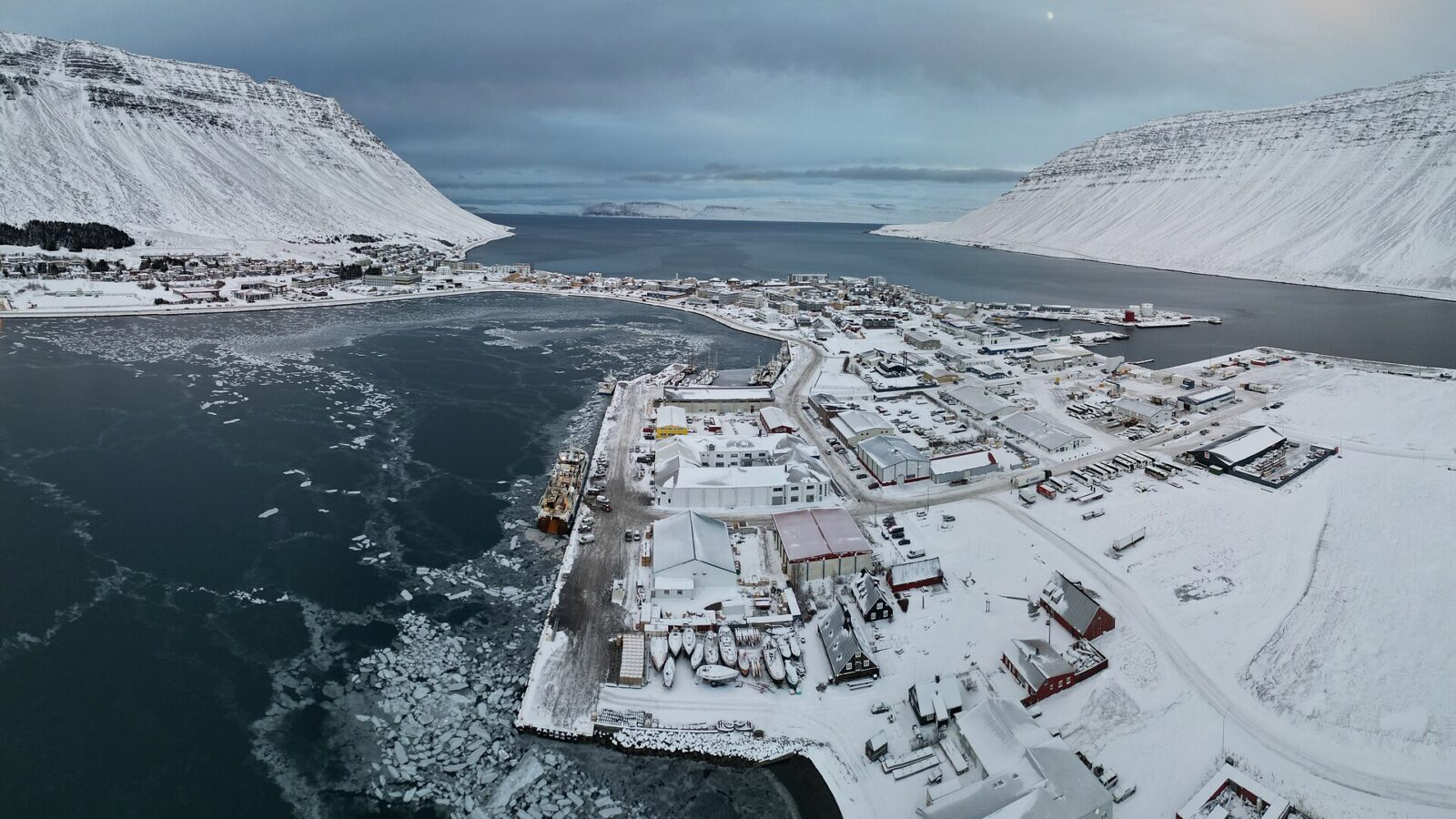
Image: JirkaPanek / Wikimedia Commons (CC BY-SA 4.0) · licence, original (resized) Illustrative image.