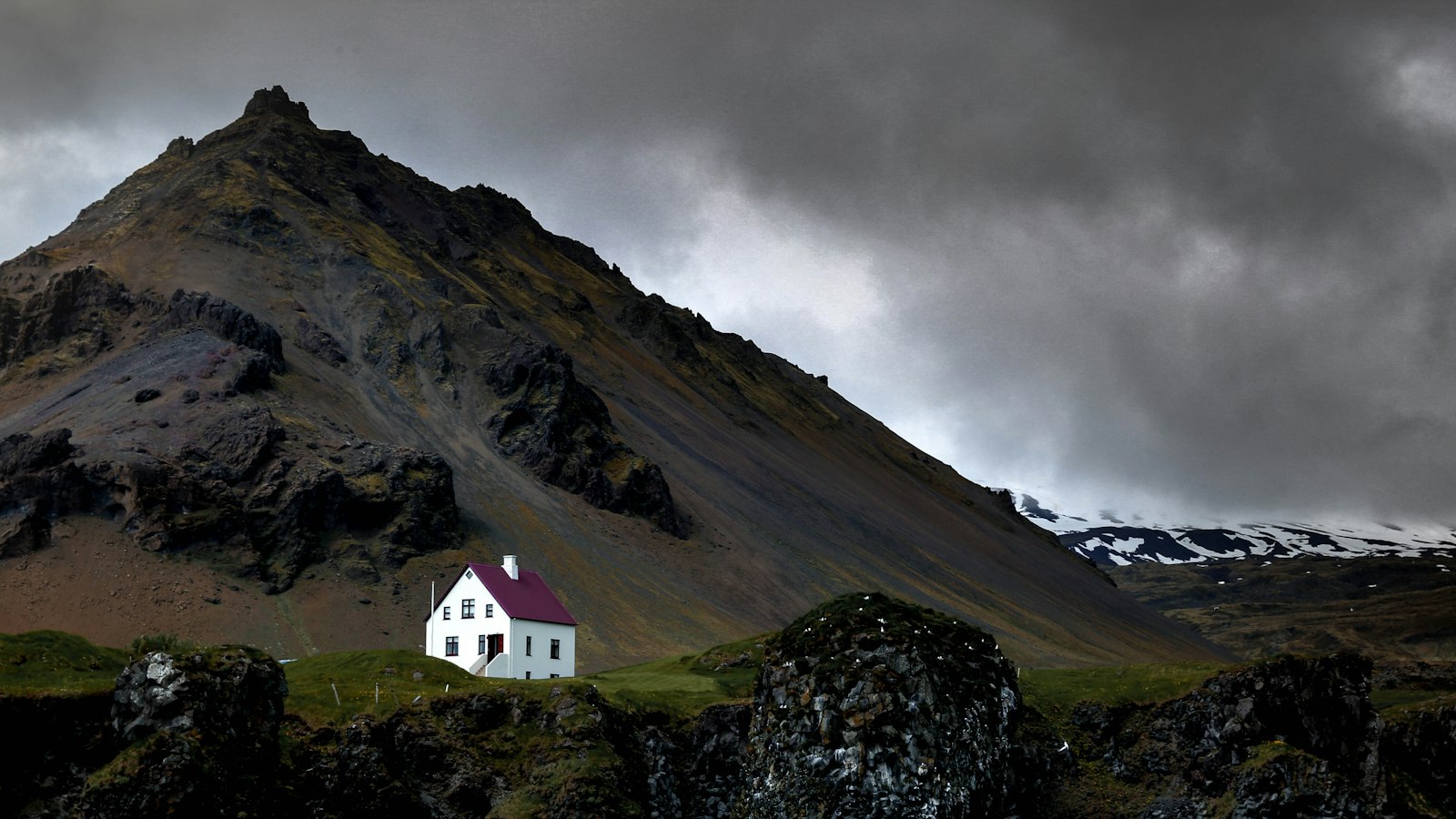
From the late 15th century until the dawn of the 20th, Icelandic society was shaped by a practice known as vistarband. This regulation, established under Denmark–Norway’s rule, mandated that every Icelander without property was bound to annual employment on a farm. While it is sometimes compared to serfdom, vistarband had characteristics and effects unique to Iceland.
Rules of the vistarband
The origin of vistarband traces to the Píningsdómur, a law passed in 1490, which set out that only those possessing property worth at least three cows could live independently. Anyone with less had to become a farm labourer, known as vinnuhjú. Farm labourers would sign one-year agreements to work on a farmer’s homestead. Changing farms or leaving was permitted, but only at the end of the year or with the farmer’s permission.
If a labourer believed a farmer had failed to meet his duties, he could appeal to the local district head, or hreppstjóri, but was still not permitted to leave the farm without the farmer’s consent. Even moving to another part of Iceland typically required written permission from a priest or secular authorities.
A society of landless workers
At its height during the 19th century, about one in four Icelanders lived under vistarband. This was the largest proportion of any European society living in such conditions at the time. The system was usually a stage in a young person’s life; most people served as farmhands while saving or waiting for a chance to lease land, settle, and start families of their own. However, not everyone could escape these conditions, and lifelong service, especially among women, was common.
Most Icelandic farms were leased rather than owned outright, with farmers themselves usually bound to their property for only a single year at a time. In contrast to serfdom elsewhere, neither farmers nor their labourers were permanently tied to one place or to one another. Nevertheless, true independence remained out of reach for the many without land.
Paths to freedom and change
There was a limited route out of vistarband: an individual could become a free worker, or lausamaður, contracting labour independently. Before 1783, this required property worth at least ten cows. For 80 years after 1783, becoming a free worker was completely banned. Once allowed again in 1863, the rules remained strict. Only in 1894, after fishing provided new economic opportunities, did most landless people gain access to this status.
Pressures for reform came from liberal governments in Denmark, who pushed for greater freedom of occupation in Iceland during the 19th century. However, the Icelandic elite resisted, seeing the old arrangement as advantageous and viewing wider reforms as a threat to their standing. Some historians believe this tension over social change played a role in Iceland’s eventual push for autonomy within the Danish kingdom.
Sources
- Wikipedia
- Wikipedia (Icelandic) in Icelandic


