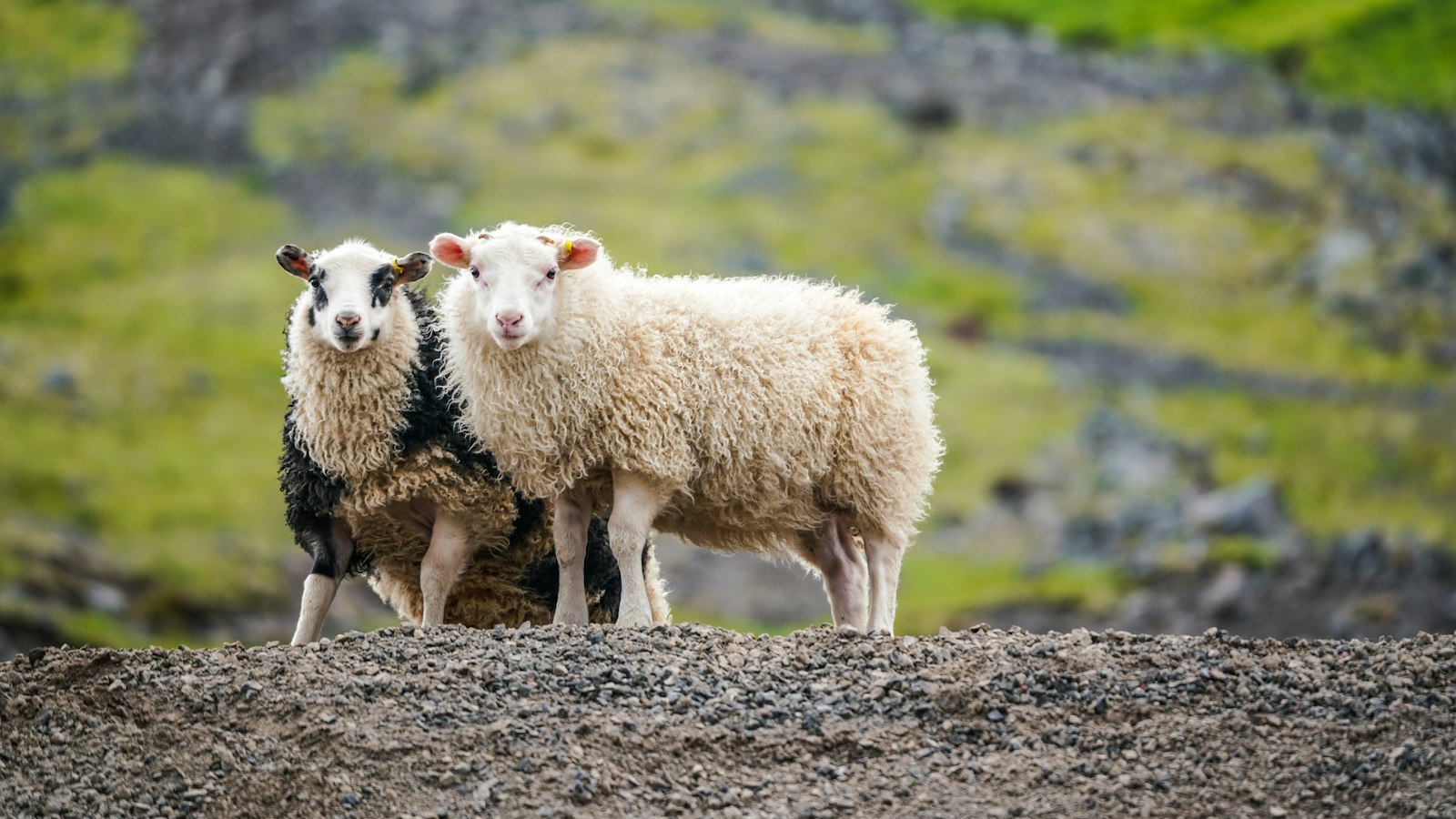
Few foods better encapsulate Iceland’s resourceful spirit than svið, the traditional preparation of a sheep’s head. Once born out of necessity during harsh winters, svið remains a distinctive part of Icelandic cuisine, and culture, today.
Economy and identity in every bite
Origins of svið trace to times when wasting any part of a slaughtered animal was unthinkable. In farming communities dependent on sheep, the head represented a significant source of nourishment. The dish consists of the head, halved lengthwise, with fur carefully singed off, the brain removed, and the remainder boiled, sometimes seasoned simply with salt, sometimes cured further in lactic acid. Practically every edible part is eaten, including the cheeks and the eyes, which many in Iceland regard as a particular delicacy.
Preparation of svið involves careful cleaning, especially around sensitive features such as the ears and eyes, followed by cooking in lightly salted water for up to an hour and a half. The dish may be served hot or cold. Traditionally, accompanying fare includes mashed or boiled potatoes and mashed swede.
Folklore and festive tables
Svið is more than just sustenance; it is embedded in Icelandic social rituals and traditions. It has become a central item in the selection of traditional foods called þorramatur, especially during the Þorrablót festival at midwinter, where a buffet of time-honoured dishes connects modern Icelanders with their ancestors.
Superstitions have also grown around the dish. Old beliefs warned against eating the ears, which were traditionally marked to indicate ownership: eating them suggested theft. Another folk saying suggests that if the small bone beneath the tongue remained intact, young children would remain silent indefinitely. Such stories added weight to the solemnity, and playfulness, of communal eating.
In some parts of Iceland, svið was associated with specific feasts, notably “sviðamessa.” Accounts differ on whether this occasion took place on All Saints’ Day or the first day of winter. No matter the exact date, sviðamessa marked the peak of a season when sheep’s heads were most available, with portions served fresh before the rest were pickled or smoked for later.
The practice is not limited to Iceland. In Norway, a similar dish called smalahove exists, and in the Faroe Islands, sheep’s head is prepared in much the same way. Yet Iceland has always held particular pride in its version, where nothing, including the iconic sheep’s eyes, is discarded before reaching the table.
Over the centuries, svið has shifted from being everyday sustenance to a symbol of tradition and connection, a feature at buffets for þorrablót yet also eaten year-round. Whether treated as a delicacy or simply a reminder of harder times, the boiled sheep’s head remains a vivid example of Iceland’s inventive and communal approach to food.
Sources
- Wikipedia
- Wikipedia (Icelandic) in Icelandic


