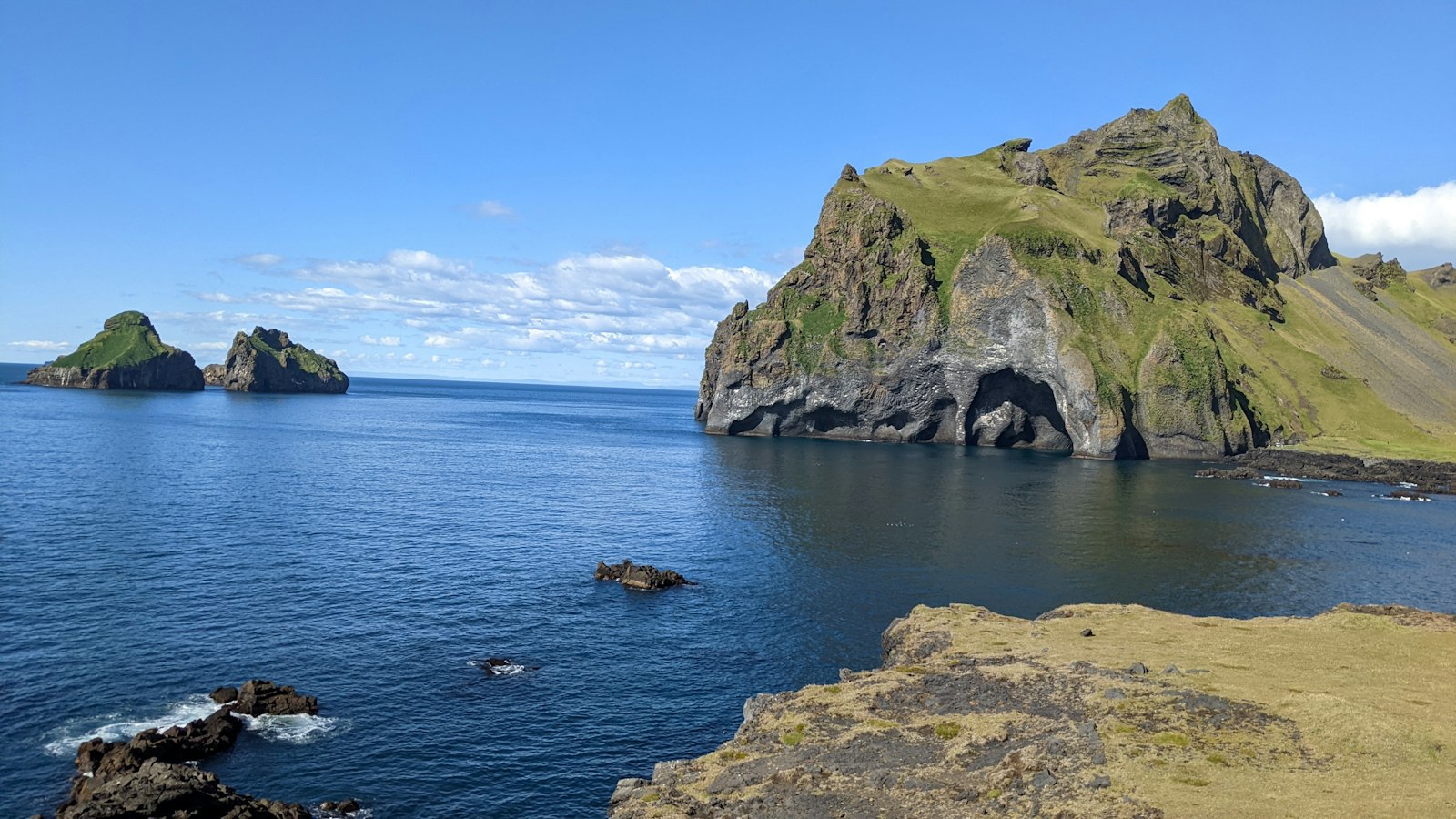
On 23 January 1973, the residents of Heimaey in the Vestmannaeyjar (Westman Islands) awoke to a crisis. Just east of the town, a fissure cracked open with little warning, soon giving rise to a volcanic cone eventually named Eldfell, or ‘Hill of Fire’. Within hours, fire engines sounded alarms and an unprecedented evacuation began, as lava and ash threatened homes, livelihoods, and the very survival of the island’s only town.
A volcanic crisis at Iceland’s busiest fishing port
The Westman Islands, formed during the Holocene epoch and settled in the 9th century, are off Iceland’s southern coast. Heimaey, the only inhabited island in the group, had long depended on its fishing fleet, thanks to a reliable natural harbour. That very harbour was under threat as lava, propelled by eruptions up to 150 metres high, surged towards it. Quick collective effort saw over 5,300 people evacuated within hours, most by boat, since unusually severe storms had kept the entire fishing fleet safely in harbour just before the eruption.
The fissure, starting at 300 metres, grew rapidly, stretching up to 3 kilometres from shore to shore. Initial lava fountains produced a cinder cone that quickly surpassed 100 metres in height, with the tephra and lava flow blanketing much of Heimaey. Volcanic ash reached depths up to 5 metres in some places, and about half the town’s houses were either buried, burned, or crushed. Poisonous gases, including carbon dioxide and hydrogen, permeated the area, leading to one fatality from gas poisoning and requiring urgent safety measures such as emergency trenches and barriers.
Transformation and resilience after disaster
The key to the town’s recovery was the innovative use of water to halt the lava’s advance. Crews sprayed seawater onto the moving flow, preventing the closure of the vital harbour and, in turn, preserving Heimaey’s main economic artery. The eruption, which lasted until July 1973, increased the island’s area by about 2.5 square kilometres (20 percent). Afterward, the islanders applied resourcefulness to their altered landscape, harnessing the heat of the cooling lava to generate hot water and electricity, using volcanic ash for construction projects including a new runway, and rebuilding about 200 homes on newly created land.
Eldfell stands today just over 200 metres high, beside the older volcanic cone of Helgafell. While the people of Heimaey lived through what was the first eruption to strike a populated area in Iceland, the legacy of Eldfell endures not only in the transformed geography but also in Iceland’s approach to evacuation and recovery in a volcanic land.
Sources
- Wikipedia
- Wikipedia (Icelandic) in Icelandic


