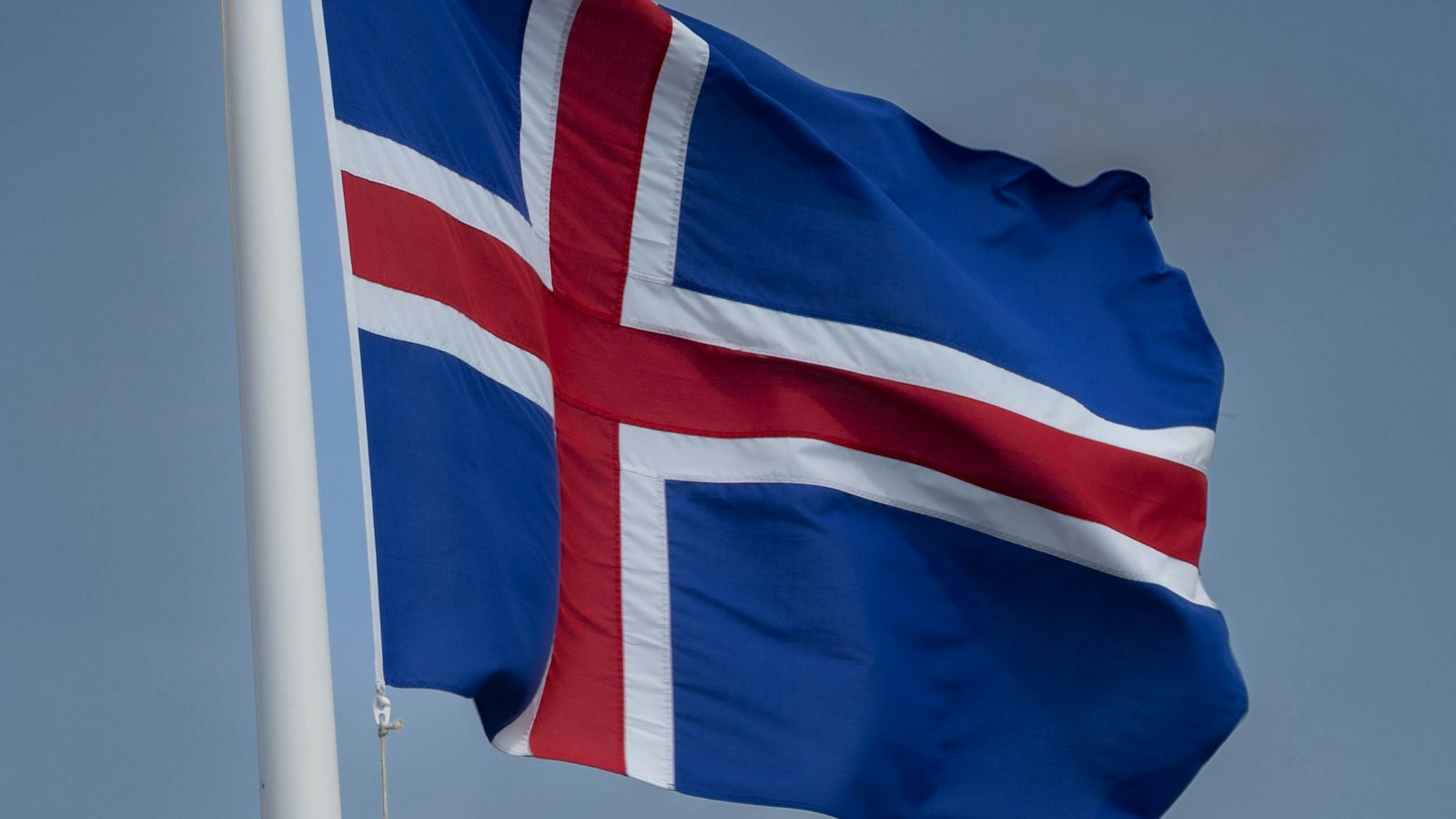
The flag of Iceland, known in Icelandic as íslenski fáninn, is instantly recognised by its sky-blue field, intersected by a white cross with a fiery-red cross inside. Yet this appearance, official since 17 June 1944 when Iceland became a republic, embodies much more than a simple geometric design. History, nature, and political aspiration converge in this emblem, linking Iceland’s storied past with its present.
From contested symbols to national consensus
Before the current flag’s adoption, Icelanders debated many alternatives. In the late 19th century, as Icelanders pursued greater autonomy, the so-called Hvítbláinn, featuring a white Nordic cross on a blue background, was widely used, first flown publicly in 1897. The blue and white symbolised the country’s glaciers, sea and mountains, drawing enthusiastic support at national gatherings. However, similarity with other nations’ flags led critics to seek a more distinct identity.
Other proposed flags included one decorated with three codfish, used briefly during the 1809 rule of Jörundur hundadagakonungur, and the fálkafáninn, featuring a white falcon on blue. Through such proposals and popular debate, Icelanders asserted their right to unique national symbols, paralleling their campaign for independence.
Meaning in colours and cross
In 1915, amid calls for distinctiveness, the modern tricolour cross flag was created. Its proportions are carefully prescribed: the cross arms reach each edge, with the white band at two-ninths and the red at one-ninth of the flag’s width. The blue panels at the hoist are square, while the fly-side rectangles are twice as long as they are wide. The official length-to-width ratio stands at 25 to 18.
The colours, officially defined in law, carry widely cited meanings: red symbolises the volcanic fire characteristic of Iceland, white represents the snow and ice that cover the island much of the year, and blue recalls the encircling mountains and surrounding sea. The cross motif aligns Iceland with its Nordic neighbours and reflects the influence of Christianity across Scandinavia, its lines found on the flags of Denmark, Norway and Sweden.
Rules, rituals and daily presence
Strict laws and customs surround the flag. Its use is tightly regulated; displaying the flag dishonourably risks penalties up to a year’s imprisonment. The flag is never flown before 07:00, with exceptions made for significant outdoor assemblies, and must come down by sunset, but never after midnight, even for state events.
National flag days, specified by law, mark occasions from the First Day of Summer to Icelandic Language Day and the president’s birthday. On these days, the flag’s presence on state buildings and institutions is prescribed, reflecting an enduring connection between flag and national self-awareness. The president, state institutions and Icelandic ships display specific variants, including the Ríkisfáni or state flag, first raised in 1918 and still seen at embassies, government buildings and patrol vessels.
Through debate, adjustment, and official sanction, the flag has become deeply woven into Icelandic life and identity, embracing both the dramatic landscape and the ongoing process of nationhood.
Sources
- Wikipedia
- Wikipedia (Icelandic) in Icelandic


