Grindavík sits on the southern edge of the Reykjanes Peninsula, its life entwined with both the sea and the lava fields surrounding it. The town’s name combines the Icelandic words “grind” (gate or gateway) and “vík” (shallow inlet), hinting at its geography and perhaps even a dock for boats or the presence of whales in its early days. Founded in the early days of Icelandic settlement, Grindavík traces its origins to Molda-Gnúpur Hrólfsson, a Viking who, according to the Landnámabók (Book of Settlements), settled here around 934.
From its earliest days, the rhythm of Grindavík’s life has followed that of the sea. Fishing has been the town’s anchor for centuries. By the 13th century, fishing rights here belonged to the Bishop of Skálholt, paid for in piles of salted cod. Grindavík’s harbour, long considered hazardous, became safer in 1939 when residents cut a channel through the reef known as Hópið. This transformed fishing in the area, helping the industry to develop rapidly from the mid-20th century.
A landscape shaped by fire
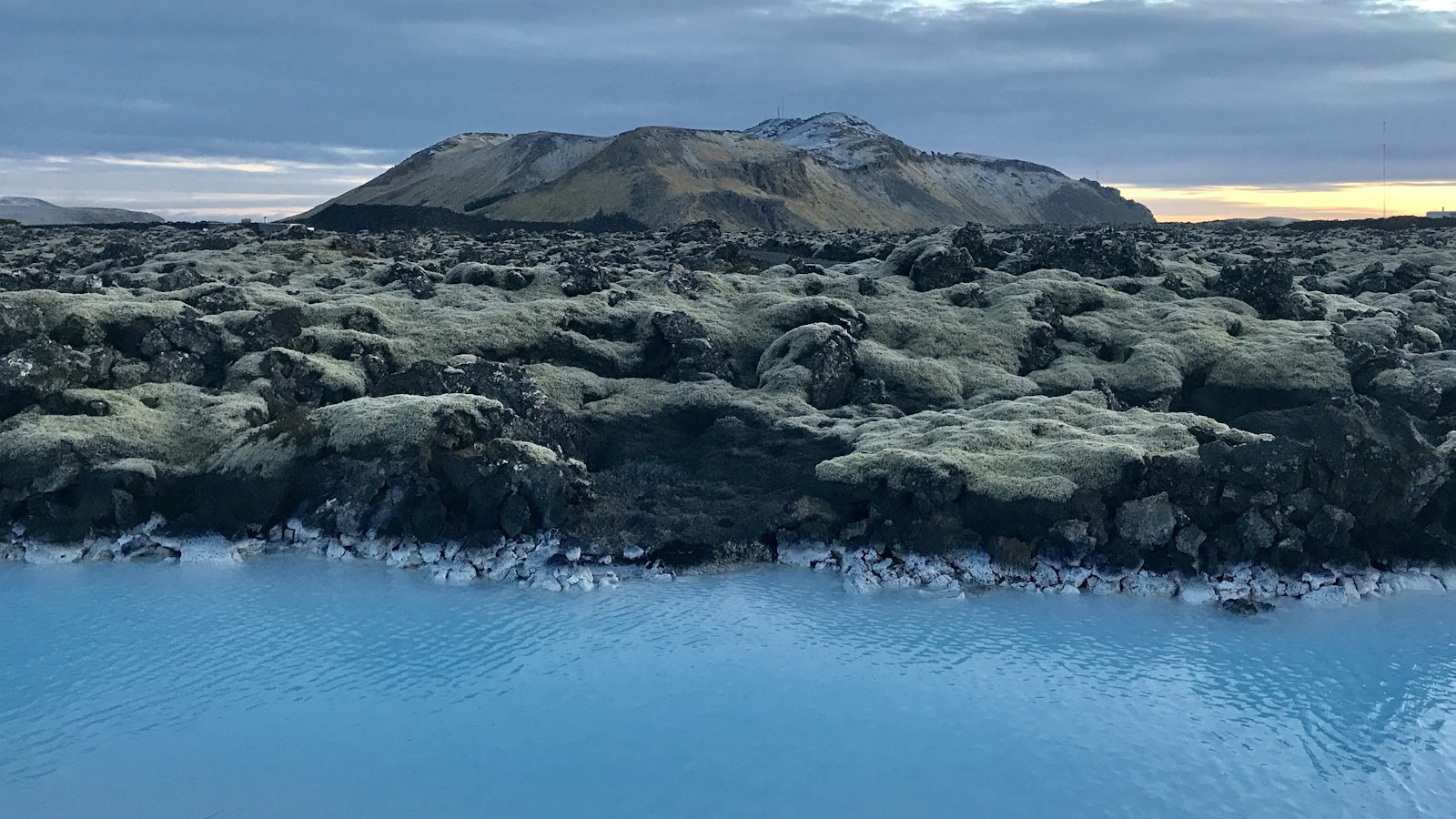
The land beneath Grindavík tells its own story. The modern town stands on a lava field created by eruptions from the Sundhnúkur crater chain and other nearby volcanoes. This geological activity is not confined to the distant past. Recent years have thrust Grindavík into the public eye as intense seismic activity north of the town began in October 2023. The people of Grindavík were evacuated after a series of earthquakes signalled magma moving underground. This period of unrest led to multiple eruptions in the immediate vicinity between December 2023 and June 2025, at times forcing repeated evacuations as lava threatened both buildings and power infrastructure.
Despite the hazards, Grindavík’s residents and authorities have continually adapted. The town has a history of disaster preparedness, with organised rescue efforts tracing back to the late 19th century under Oddur V. Gíslason, a priest and pioneer in safety for Icelandic seafarers.
Community, tradition and Icelandic culture
Grindavík has held onto its close-knit atmosphere through centuries of changes. The annual festival Sjóarinn síkáti is an important event for residents, celebrated since 1996 in connection with Seafarer’s Day. The story of Grindavík’s economic lifeblood, salted fish, can be explored at the Saltfish Museum, opened in 2002, which documents its role in shaping both local and Icelandic identity.
The town has produced figures of national importance including writer Guðbergur Bergsson and footballer Alfreð Finnbogason. Its sports club, Ungmennafélag Grindavíkur (Umfg), fields teams in both the top basketball and football leagues, and a local golf course and swimming pool highlight how life goes on in the shadows of both the sea and volcanoes.
Alongside fishing, tourism and geothermal energy now contribute to the local economy. Just north of town is the Blue Lagoon, a symbolic link between the forces below ground and daily life above.
Sources
- Wikipedia
- Wikipedia (Icelandic) in Icelandic


