Brennivín, pronounced [ˈprɛnːɪˌviːn], holds a singular place in Icelandic culture as both a drink and a symbol. Known to many as Iceland’s national spirit, this clear aquavit is recognised by its caraway flavour and historically stark labelling. Its character, distinct from other spirits of the North, encapsulates folk tradition and a complex relationship with state policy and self-reliance.
Roots in trade, tradition and adaptation
The roots of Brennivín can be traced back to centuries of Nordic schnapps-making. The term itself is shared across Nordic languages (Danish: brændevin, Swedish: brännvin) and means “burnt wine”, a reference to the early distillation methods from grains or potatoes. For Iceland, under Danish rule from the fourteenth century, spirits became a more practical import than beer or mead, thanks to their concentration and resistance to spoilage on long sea journeys.
The Danish trade monopoly enforced from 1602 shaped Iceland’s consumption patterns. Spirits, often rough from the distilling process, were made more palatable by steeping in herbs; caraway, able to survive Iceland’s harsh climate, became the defining note for what would be recognised as Brennivín.
From restriction to reinvention
Trade restrictions in Iceland eventually ended in the late eighteenth century, but tastes shaped by centuries of caraway-infused aquavit endured, even as improved distillation techniques took hold. Nevertheless, distillation remained under Danish control until Iceland’s independence in 1918, which was closely followed by a period of alcohol prohibition. Brennivín’s story could not continue until 1935, when Iceland partially lifted the ban and the state established the Áfengis- og tóbaksverslun ríkisins (AVR), now ÁTVR, to control alcohol production and sale.
The new state monopoly introduced caraway-flavoured Brennivín in a deliberately austere bottle, originally with a stark black label and even a skull as a warning. This branding sought to discourage consumption and earned the drink the nickname “svarti dauði”, black death. Nevertheless, this did not dampen its popularity. Over time, the drink’s reputation shifted from cheap and harsh to a heralded classic, and it became a common feature at festive gatherings and the mid-winter Þorrablót feast.
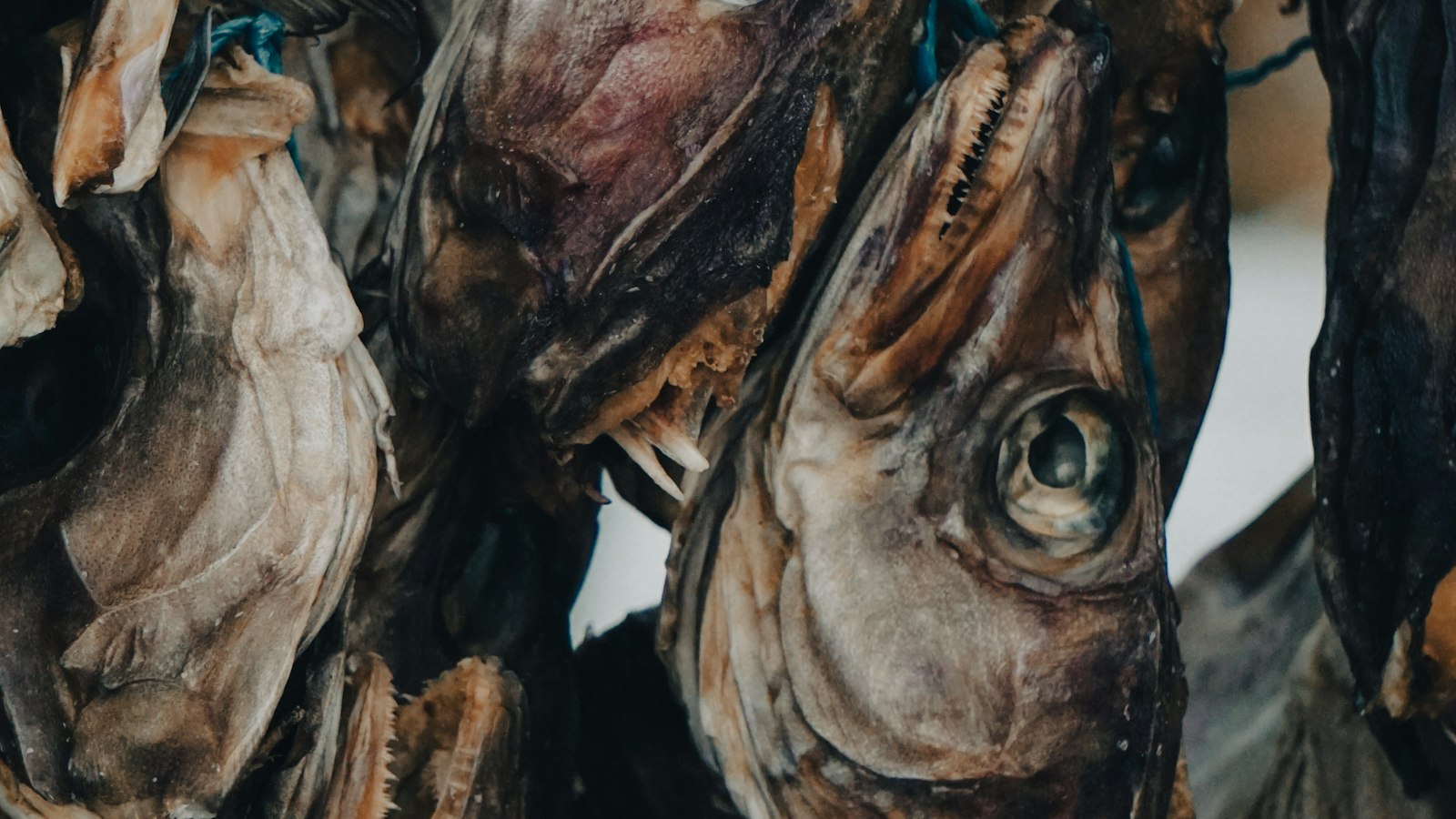
Today, multiple Icelandic distilleries produce their own versions of Brennivín, though many remain loyal to the signature style established by the state. The most common serving is chilled as a shot, often alongside a beer or as a base for traditional or innovative cocktails. It famously accompanies hákarl, the infamous Icelandic fermented shark.
Since 2014, Brennivín has been legally available in the United States, Germany, Canada and across Scandinavia. It has also found a place in music, television and cinema, cited by artists and featured in both Icelandic and international productions.
Sources
- Wikipedia
- Wikipedia (Icelandic) in Icelandic


