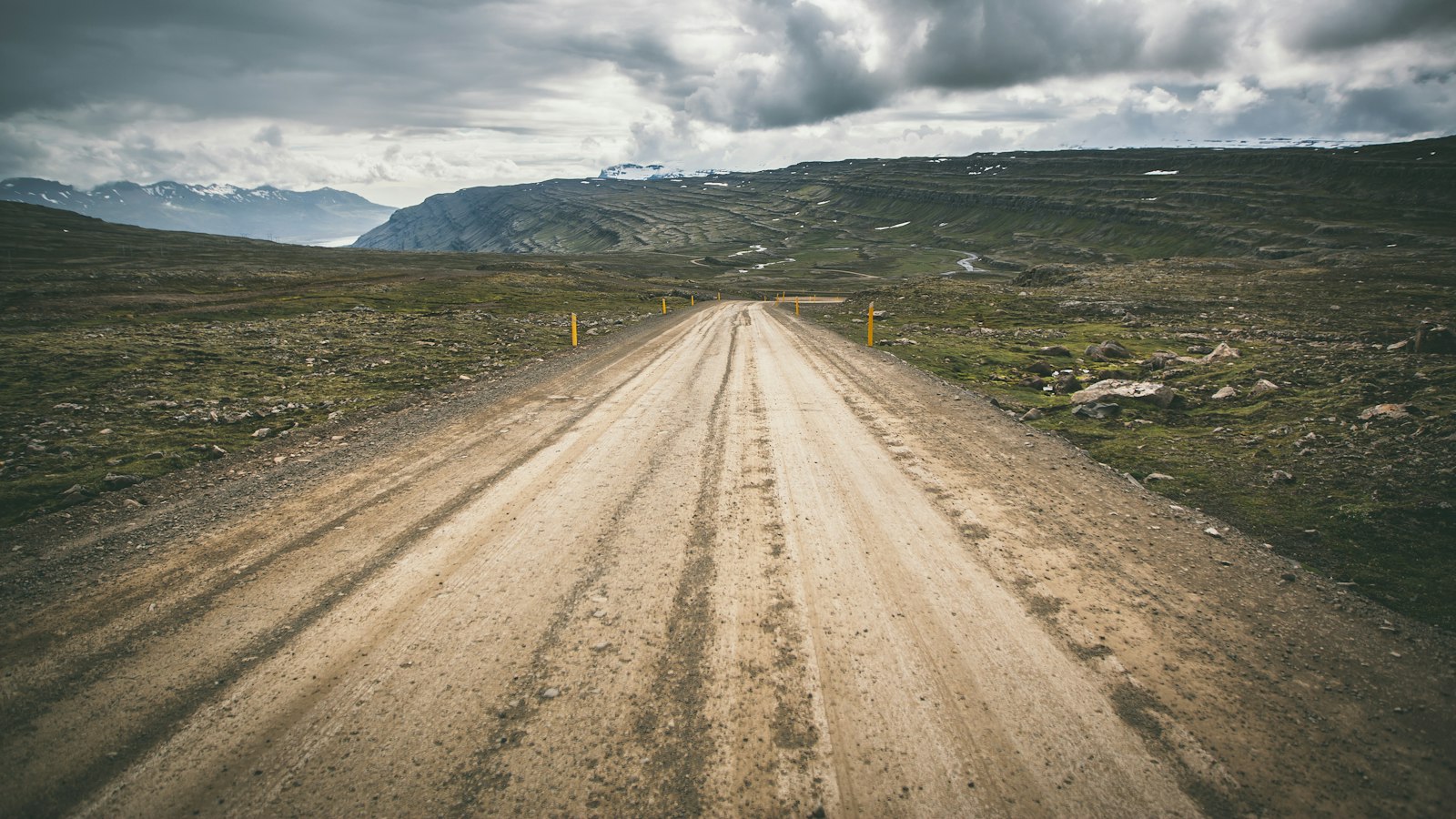
In the heart of Iceland’s uninhabited highlands, the active volcano known as Askja is woven into the country’s geological and social fabric. Far from any settlement, this complex of nested calderas sits within the Dyngjufjöll mountains, which reach 1,514 metres above sea level. The Icelandic word ‘askja’ means box or caldera, an apt description for this striking landscape.
The Askja central volcano spans about 20 kilometres in diameter and is at the core of a 190-kilometre fissure system that stretches north from beneath Vatnajökull glacier towards the coast. Several calderas nest within Askja’s main structure, each marking powerful volcanic events. The largest outer caldera is approximately 50 square kilometres in area; other calderas include the 8-kilometre main summit caldera, the 4-kilometre Kollur caldera, and the 5-kilometre Öskjuvatn caldera formed in 1875. The area receives little precipitation, only around 450 millimetres per year, and is accessible just a few months annually.
A lake formed by eruption and a volcanic legacy
Much of one inner caldera is submerged beneath Öskjuvatn, a lake that came into being following the dramatic 1875 eruption. At 220 metres deep and covering 12 square kilometres, Öskjuvatn is Iceland’s second deepest lake, often frozen for most of the year. Its surface rests around 50 metres below the main caldera floor. Another remarkable feature, the crater Víti, sits on the lake’s northern edge, both remnants of that upheaval.
Askja’s 1875 eruption took place over many months, with a major explosive phase in late March. Volcanic ash from the blast drifted widely, reaching Norway, Sweden, Germany and Poland. Ash more than a centimetre thick blanketed 5,000 square kilometres within Iceland, devastating parts of the Eastfjords. Livestock losses were steep: sheep numbers dropped by 2 per cent and cattle by 6.2 per cent from 1874 to 1876. The destruction forced at least 16 farms to be abandoned. News of the hardship spread internationally, prompting relief efforts in Britain, Denmark and Norway.
The eruption’s impact resonated through rural communities and contributed to a spike in Icelandic emigration, especially to Canada, though not to the same extent as later eruptions. Up to 10 per cent of residents in the worst-hit districts left the country in the aftermath.
Apollo astronauts, ongoing activity and a scientific mystery
Askja is not only a place of powerful eruptions but also a unique site for scientific exploration. NASA selected the area to train Apollo astronauts in field geology, preparing them for the unfamiliar landscapes of the Moon. Húsavík’s Astronaut Monument commemorates the 32 astronauts who participated.
Askja’s activity continues. The volcano has produced at least 175 eruptions in the past 7,200 years, most of them small and basaltic. Its last eruption occurred in late 1961, coating the landscape with new lava and tephra. More recently, scientists have monitored periods of uplift, with 40 centimetres of inflation measured between August 2021 and November 2022, likely due to magma accumulation.
Askja is also marked by tales of intrigue. In 1907, two German scientists vanished while exploring Öskjuvatn, their disappearance long a mystery that remains unsolved despite later searches and recent speculation about the risk of sudden landslides creating large waves on the lake.
Sources
- Wikipedia
- Wikipedia (Icelandic) in Icelandic


