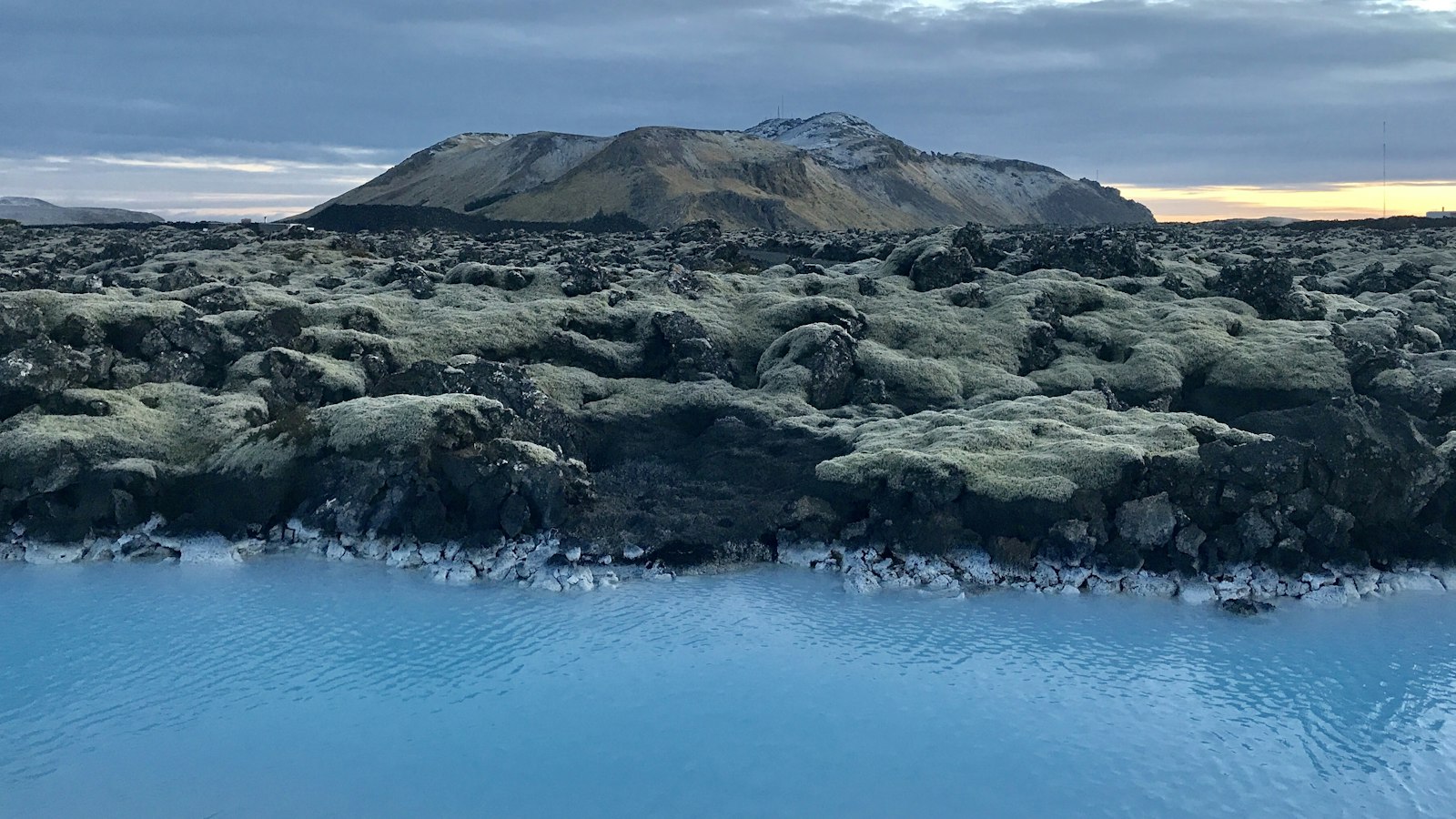
Kleifarvatn holds a unique place on the Reykjanes Peninsula, where Europe and North America meet along the Mid-Atlantic Ridge. Its southern location on the peninsula, combined with its geological setting, has made it an intriguing subject for both scientists and writers.
A lake with hidden waters and changing depths
Unlike many lakes, Kleifarvatn has no visible rivers flowing into or out of it. Most of its water movement takes place underground, sustained by subterranean channels that connect it to the surrounding landscape. This unusual feature links the lake to the region’s significant geothermal and tectonic activity.
The size and shape of Kleifarvatn have not been constant. The earliest detailed depth record was taken in 1964. Later surveys showed that by 1975, the lake had reached a maximum measured depth of 97 metres (318 feet) and stood 140 metres (460 feet) above sea level. Its area was previously recorded as between 7.5 and 10 square kilometres, marking it as one of the deepest lakes in the country.
A dramatic change began in the year 2000, when earthquakes shook the region. These events caused cracks in the earth beneath the lake. As a result, at least a fifth of Kleifarvatn’s surface area has since vanished, with surveys showing shallower depths and evidence of new sediment. By 2012, the lake’s area had shrunk to just over 7.3 square kilometres (2.8 square miles), with the water level standing at 135 metres (443 feet) above sea level and a new maximum depth of 89.5 metres (294 feet). Patterns in the sediment hint that the lake’s size has fluctuated before, sometimes becoming even smaller in the past.
Geothermal energy and local legend
The landscape around Kleifarvatn is rich in thermal features. Seltún/Krýsuvík, a famous geothermal area, lies close by, showing the volcanic forces at work beneath the ground’s surface. Studies in 2012 found at least one active geothermal vent beneath Kleifarvatn itself, pointing to the complex connections between the lake and the powerful faults of the peninsula.
Part of Reykjanesfólkvangur (the Reykjanes conservation park), Kleifarvatn has captured Icelandic imagination in other ways too. The crime novel “Kleifarvatn” by Arnaldur Indriðason, a well-known Icelandic author, draws its name from the lake, weaving local setting and history into modern literature.
Sources
- Wikipedia
- Wikipedia (Icelandic) in Icelandic


