Set on the southwest coast of Iceland, around ten kilometres from Reykjavík, Hafnarfjörður blends the character of an old port town with the pace of contemporary urban life. At close to 31,500 residents, it is the third most populous municipality in Iceland, forming part of the wider Capital Region.
The town’s name, which translates as “harbour fjord,” reflects its natural anchorage, which helped position it at the centre of trade for much of Iceland’s recorded history. The harbour was recognised as a valuable asset as early as the 14th century, with trade activity mentioned in both Icelandic and German sources. Over the centuries, English, German, and Danish merchants came to compete for dominance in Hafnarfjörður, with Hamburg traders establishing a notable presence in the 15th and 16th centuries. The town even became a member of the Hanseatic League, an alliance of trading cities across northern Europe.
Hafnarfjörður’s roots stretch further back, with references in medieval manuscripts such as the Landnámabók. The earliest known settlement ties the area to the family of Ingólfur Arnarson, Iceland’s first acknowledged settler.
By the 18th century, Hafnarfjörður’s position as Iceland’s commercial heart was well established and the idea surfaced to make it the nation’s capital. However, limited land and difficult access ultimately favoured Reykjavík. One of Hafnarfjörður’s most influential figures, Bjarni Sívertsen, began building his business empire here in the late 18th century. His house from 1803 now serves as a museum honouring local enterprise.
The town is built on ancient flows from the Krýsuvík volcanic system, with notable fields of lava beneath the streets, including the 8,000-year-old Búrfellshraun and more recent Óbrinnishólabruni. There has been no eruption in town since settlement times, yet the Krýsuvík system remains active and has produced eruptions in the region as recently as 2021.
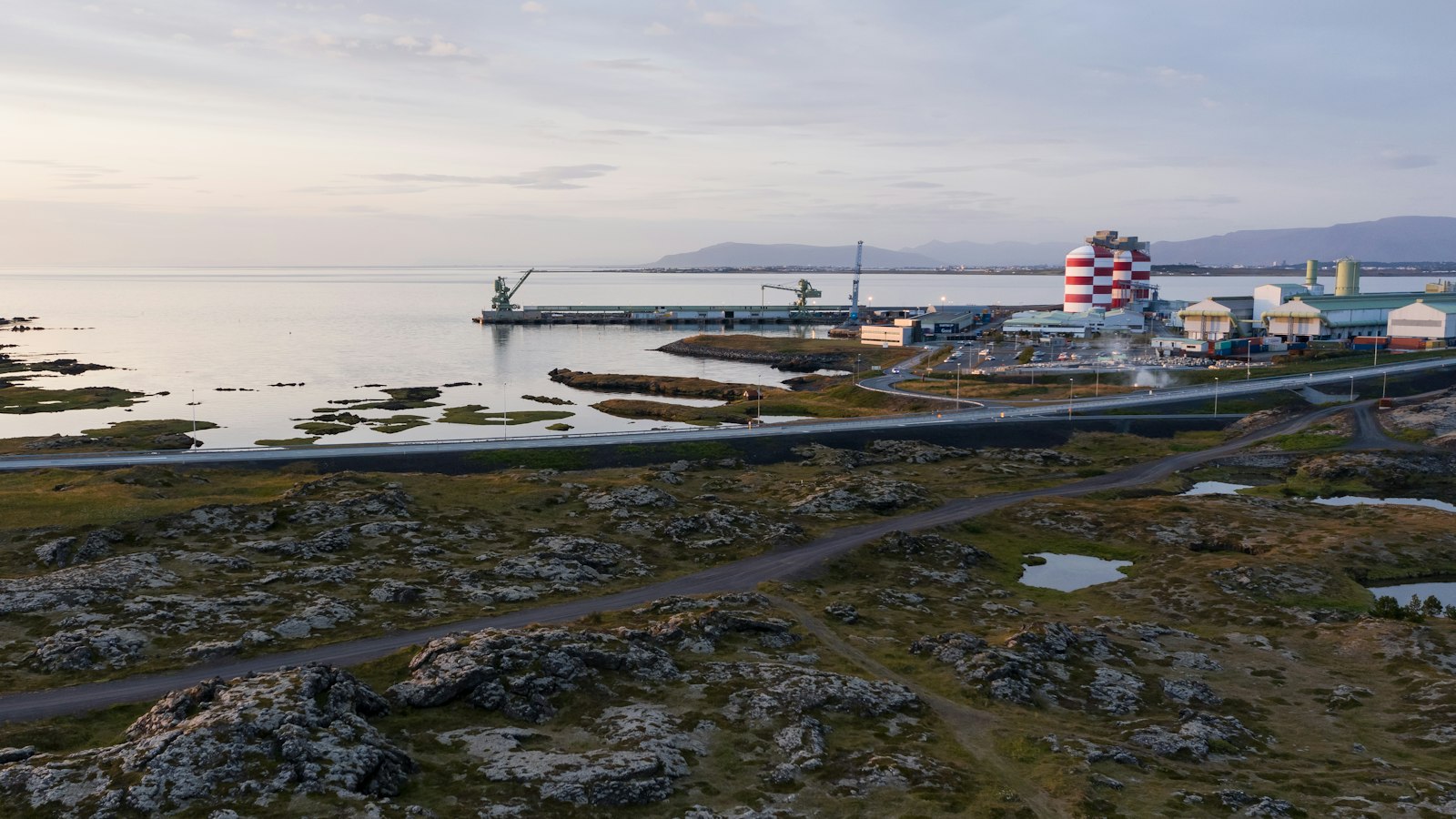
Over the years, Hafnarfjörður’s growth was closely bound to the fishing industry. Innovations in boat building and the use of decked boats in the late 19th century fuelled economic advance. The town saw Iceland’s first trawler, the Coot, and its first hydrological power plant in the early twentieth century. Today, Hafnarfjörður remains a major fishing and freight hub, with a harbour now handling significant import and export traffic. Nearby, the aluminium smelter at Straumsvík has been a point of industrial activity and local debate since its construction in 1969.
Traditions and legends endure
Modern Hafnarfjörður is not solely defined by industry and growth. Each June, people gather for a Viking festival, where enthusiasts recreate Norse life with period dress and activities. In May, the Bright Days festival brings cultural events and commemorations for sailors.
Myth and folklore also shape the town. Many Icelanders hold that elves and trolls live among the lava rocks, especially in Hellisgerði Park in the centre of town. Here, the northernmost bonsai trees in the world can also be found. Historic streets, wooden houses, and old churches preserve the memory of earlier centuries, while theatres, museums, and public art reflect a dynamic contemporary community.
Sources
- Wikipedia
- Wikipedia (Icelandic) in Icelandic


